DbcultAccessing Vault...
6.9/10
Senior Film Conservator
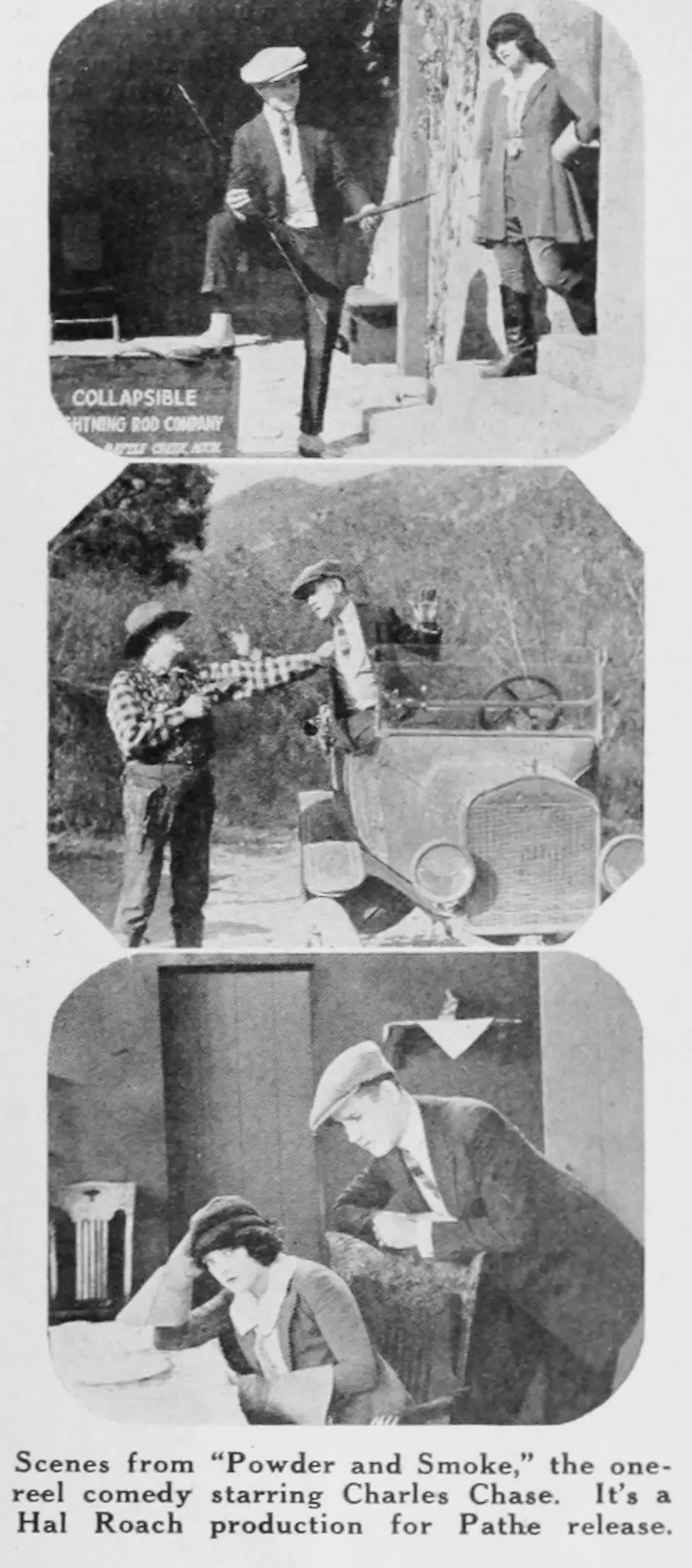
A definitive 6.9/10 rating for a film that redefined the boundaries of cult cinema. Powder and Smoke remains a cornerstone of transgressive art.
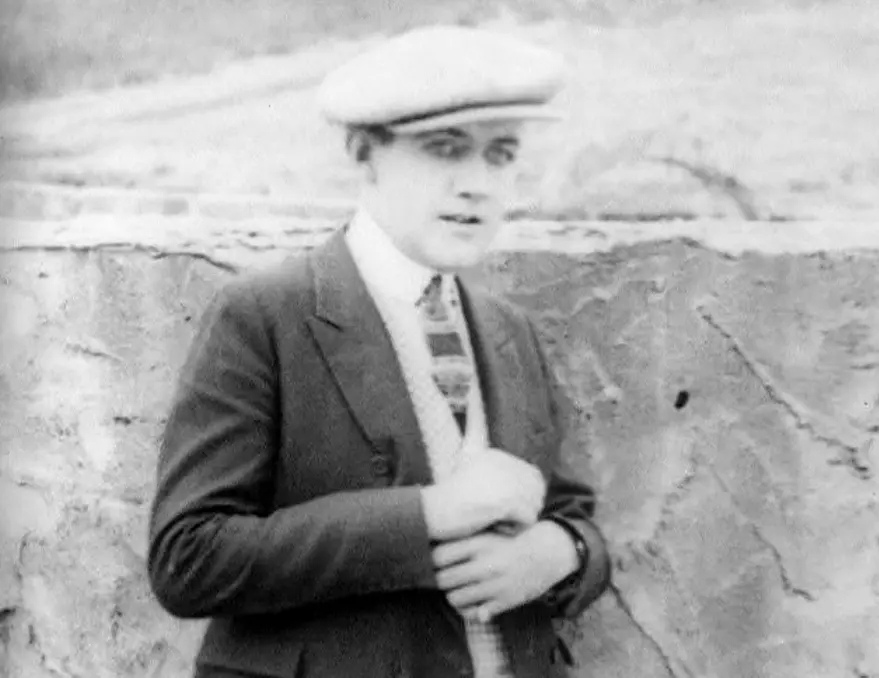
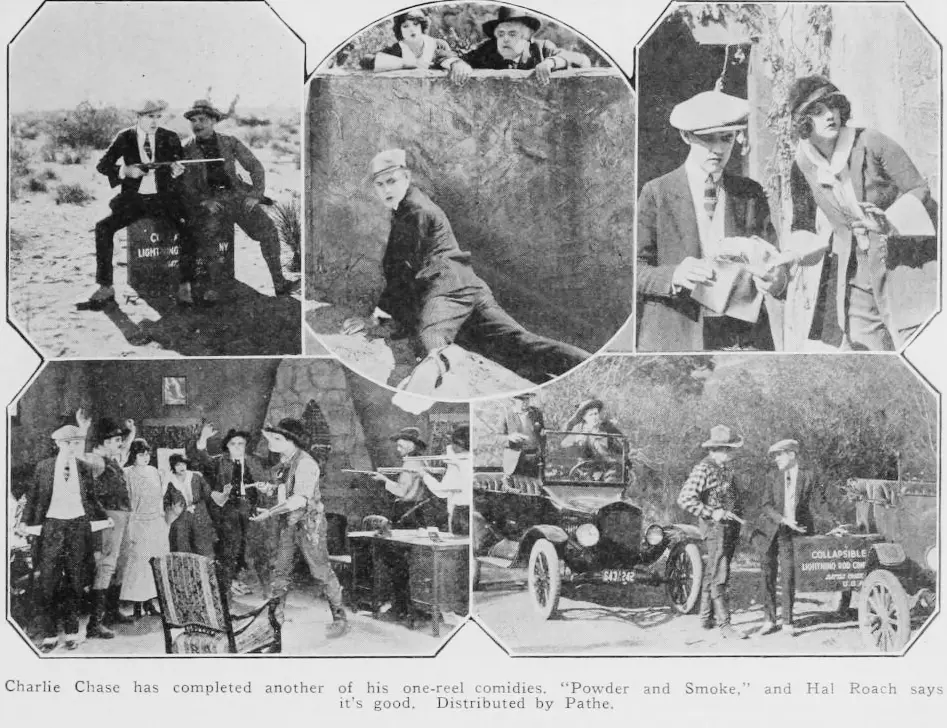
Charley Chase, a stalwart of silent cinema, brings to life a traveling lightning rod salesman in Powder and Smoke, a film that deftly weaves a complex narrative of real estate transactions gone awry. The movie, though bereft of a credited writer, showcases a keen understanding of comedic timing and situational humor, reminiscent of the works of silent era luminaries.
Chase's character, beset on all sides by the vicissitudes of the property market, careens through a series of misadventures with a bemused expression, evoking the audience's sympathy and mirth. His performance, bolstered by a talented supporting cast including Jack Hill and Lyle Tayo, injects a sense of verisimilitude into the proceedings, grounding the film's more absurd moments.
The plot, redolent of Die Herrin der Welt 2. Teil - Die Geschichte der Maud Gregaards's Byzantine complexity, twists and turns through a maze of mistaken identities and botched transactions. As Chase's character oscillates between optimism and despair, the audience is treated to a sideshow of comedic misunderstandings, each one more outlandish than the last.
One cannot help but draw comparisons to Crime and Punishment, as Chase's character grapples with the moral implications of his actions, though Powder and Smoke eschews the psychological introspection for a more lighthearted approach. The film's tone, instead, aligns more closely with O Segredo do Corcunda's comedic sensibilities, reveling in the absurdity of its characters' predicaments.
The cinematography, while not particularly noteworthy, provides a serviceable backdrop for the action, capturing the era's charm and aesthetic. The real star, however, is the cast, whose collective chemistry imbues the film with a sense of camaraderie and shared purpose. Blanche Mehaffey, in particular, shines in a supporting role, bringing a sense of gravity to the proceedings.
As the story hurtles towards its conclusion, the pace quickens, and the comedic set pieces become increasingly outlandish. A series of rapid-fire misunderstandings, replete with chases, mistaken identities, and comedic misadventures, brings the film to a frenetic close. While not as refined as The Battle of Life, Powder and Smoke shares a similar joie de vivre, celebrating the absurdity and chaos that defines its characters' lives.
In the pantheon of silent cinema, Powder and Smoke occupies a unique niche, one that is equal parts comedic exploration and social commentary. While not as overtly satirical as Temporary Marriage or Paa slaget 12, the film's examination of the real estate market and its impact on ordinary people resonates with a contemporary audience.
The film's themes of mistaken identity and deception are timeless, recalling Polly with a Past's exploration of similar motifs. However, Powder and Smoke approaches these themes with a distinctly lighthearted tone, one that prioritizes comedic entertainment over dramatic gravitas.
In conclusion, Powder and Smoke is a comedic gem, one that deserves recognition for its innovative storytelling and talented cast. While not without its flaws, the film's unique blend of humor and social commentary makes it a must-see for fans of silent cinema. For those interested in exploring the era's comedic offerings, Powder and Smoke is an excellent starting point, showcasing the best of the period's lighthearted and entertaining films.
Ultimately, Powder and Smoke serves as a testament to the enduring power of comedic cinema, one that continues to delight audiences with its absurdity and wit. As a cinematic artifact, it provides a fascinating glimpse into the era's comedic sensibilities, while its themes of mistaken identity and deception remain remarkably relevant today.
IMDb —
1913
Community
Log in to comment.