DbcultAccessing Vault...
Cult Review
Senior Film Conservator
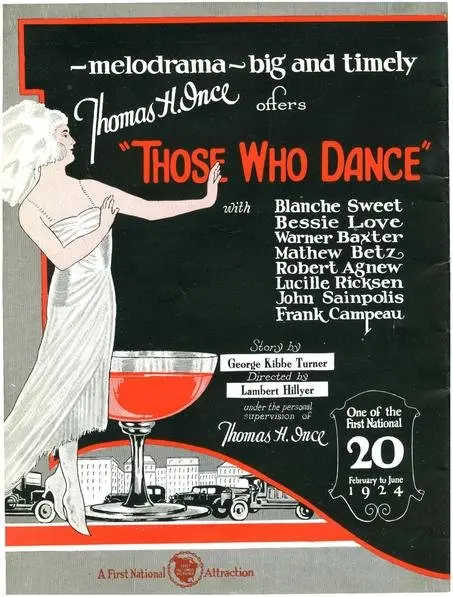
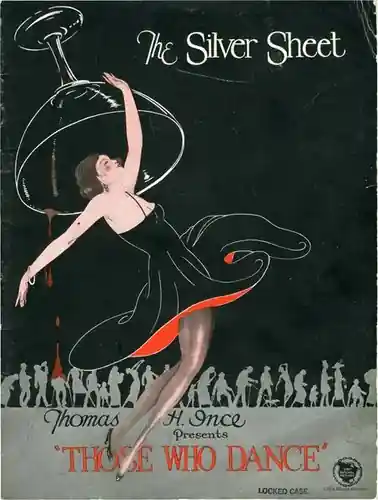
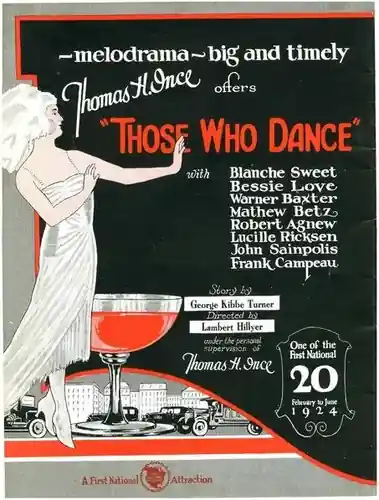
Step back into the roaring, yet clandestine, 1920s, a decade synonymous with jazz, flappers, and the pervasive, often violent, shadow of Prohibition. It's a period that film has frequently romanticized, yet few pictures capture its raw, desperate underbelly with the visceral authenticity of 1926's Those Who Dance. Directed by Lambert Hillyer, this silent crime drama plunges viewers headfirst into a world where illicit alcohol fuels fortunes and shatters lives, painting a stark portrait of a society grappling with a moral experiment gone terribly awry. Far from a mere historical curiosity, this film stands as a potent testament to the era's anxieties, its narrative threads woven with betrayal, courage, and the relentless pursuit of a justice that feels increasingly elusive.
The very premise of Those Who Dance is steeped in the socio-economic turmoil wrought by Prohibition. The film doesn't just depict bootlegging; it dissects the ecosystem it created: the federal agents fighting an uphill battle, the ruthless gang leaders amassing power, and the ordinary people caught in the crossfire. The Volstead Act, intended to cleanse the nation of its vices, instead spawned a criminal enterprise of staggering scale, transforming previously minor offenders into titans of industry, albeit an illegal one. This picture brilliantly captures that transformation, showcasing how the lure of easy money corrupted individuals and institutions alike. The pervasive sense of lawlessness, the constant threat of violence, and the moral compromises forced upon individuals are not merely plot devices; they are the very air the characters breathe. It reminds one of the moral ambiguities explored in The Bargain (1921), where characters are pushed to their ethical limits by external pressures, though here, the stakes are magnified by the sheer scale of organized crime.
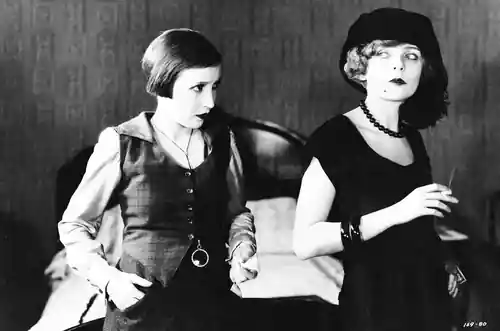
At the heart of this intricate narrative is a federal agent, a man of unwavering resolve assigned to dismantle a formidable bootlegging operation. Warner Baxter, embodying this stoic enforcer, projects a quiet determination that speaks volumes without a single intertitle. His character isn't a one-dimensional hero; he's a man burdened by the immense challenge of his mission, navigating a world where allegiances are fluid and danger lurks in every shadow. Yet, the film's true ingenuity lies in its depiction of the unexpected alliances he forms. He doesn't go it alone; instead, he finds crucial confederates within the very belly of the beast. Blanche Sweet, as the gang leader's beleaguered wife, delivers a performance of remarkable subtlety and depth. Her character is a woman trapped, her life a gilded cage built by illicit wealth and enforced by fear. Her disillusionment is palpable, her silent suffering a powerful counterpoint to the overt violence surrounding her. It’s a portrayal that resonates with the quiet strength often found in female characters of the era, akin to the resilience seen in The Career of Katherine Bush, albeit in a far more perilous context.
Completing this unlikely triumvirate is the sister of one of the ring's truck drivers, portrayed with fierce independence by Dorothy Dwan. Her character injects a vital dose of righteous indignation and active resistance into the narrative. She is not merely a victim but an agent of change, driven by personal loyalty and a desire for justice for her kin. This blend of motivations—the agent's professional duty, the wife's desperation for freedom, and the sister's familial loyalty—creates a dynamic, multi-faceted conspiracy. Their collaboration is fraught with tension, demanding absolute trust in a world where trust is a luxury few can afford. The film masterfully builds this tension, showing how these disparate individuals, united by a common enemy, must overcome their inherent differences and the immense risks involved to achieve their shared objective: the systematic dismantling of a criminal empire from within. This intricate dance of deception and cooperation is what elevates Those Who Dance beyond a simple crime thriller, transforming it into a compelling study of human resilience under duress.
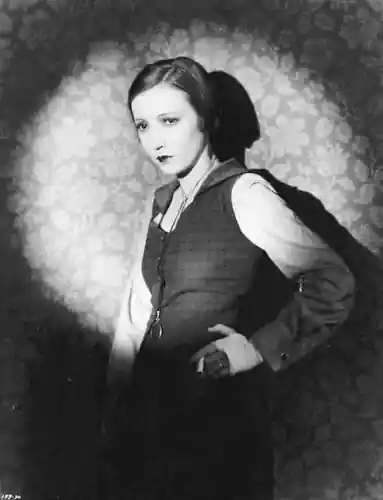
Lambert Hillyer's direction is a testament to the power of silent cinema. He understood that in the absence of spoken dialogue, every gesture, every facial expression, every camera angle had to convey meaning with utmost clarity and emotional resonance. The film employs a sophisticated visual language, using dramatic lighting to emphasize the shadowy nature of the bootlegging world, and close-ups to capture the nuanced emotions of its stellar cast. The pacing is deliberate, building suspense through careful scene construction rather than frantic action. The editing, crisp and purposeful, propels the narrative forward without ever feeling rushed, allowing the audience to fully absorb the gravity of each situation. The performances are particularly noteworthy; actors like Matthew Betz, as the menacing gang leader, embody their roles with a physicality and intensity that is both captivating and terrifying. Warner Baxter's understated heroism, Blanche Sweet's poignant restraint, and Dorothy Dwan's fiery spirit are all communicated through their finely tuned expressions and movements, a hallmark of the era's best acting. It’s a reminder that silent films, far from being primitive, were often incredibly sophisticated in their visual storytelling, demanding a higher level of empathetic engagement from the viewer.
The visual composition throughout Those Who Dance is consistently striking. Cinematographer J.O. Taylor utilizes deep shadows and high contrast, creating an atmospheric tension that mirrors the moral murkiness of the plot. The dimly lit speakeasies, the clandestine meetings in back alleys, and the tense confrontations are all rendered with an aesthetic precision that evokes a sense of danger and desperation. One can almost smell the stale cigar smoke and illicit whiskey permeating the screen. The film's ability to create such a vivid and immersive world without the aid of sound is a remarkable achievement, showcasing the creative ingenuity that defined the silent era. This atmospheric quality, the way the setting itself becomes a character, is reminiscent of the rugged, untamed landscapes often central to films like The Alaskan, where the environment dictates much of the narrative's mood and challenges, though here it’s an urban jungle rather than a wilderness.
The strength of Those Who Dance also owes much to its skilled writers: Lambert Hillyer, who also directed, along with George Kibbe Turner and Arthur F. Statter. Their collaborative effort crafted a narrative that is both intricate and emotionally resonant. They understood the dramatic potential inherent in the Prohibition setting, moving beyond simple good-versus-evil tropes to explore the shades of gray that define human behavior under duress. The characters are not caricatures; they are complex individuals with believable motivations, driven by a mix of fear, ambition, loyalty, and desperation. The plot unfolds with a logical progression, each twist and turn feeling earned rather than contrived. The writers expertly balance the procedural elements of the federal investigation with the deeply personal stakes for the gang leader's wife and the truck driver's sister, ensuring that the audience remains invested in both the larger conflict and the individual struggles. This careful construction of character and plot is paramount in silent films, where every narrative beat must be crystal clear to compensate for the lack of dialogue. Their work provides a robust framework upon which the visual storytelling can build, proving that even in an era before talkies, a compelling script was foundational to cinematic success.
Comparing Those Who Dance to other films of its time helps contextualize its significance. While it shares thematic ground with many crime dramas of the era, its particular focus on female agency within a male-dominated criminal underworld sets it apart. Films like Devil McCare or Nan of Music Mountain often presented strong protagonists, but Those Who Dance foregrounds the intricate web of relationships and the moral complexities faced by its female characters, making their contributions indispensable to the plot's resolution. The film also avoids the overt moralizing that sometimes characterized period pieces, instead presenting a more nuanced view of the 'justice' being pursued. It understands that the lines between right and wrong can become blurred when survival is at stake, a theme echoed in the challenging choices faced by characters in The Halfbreed, where societal norms clash with individual integrity.
Moreover, the film's gritty realism foreshadows elements that would become staples of film noir, a genre that would fully blossom in the sound era. The morally ambiguous protagonist, the shadowy urban landscapes, the femme fatale (or in this case, the woman forced into dangerous complicity), and the pervasive sense of a corrupt system all point towards the stylistic and thematic conventions that defined later crime classics. It's a fascinating precursor, demonstrating how the visual language of silent cinema was already laying the groundwork for future cinematic movements. The subtle psychological drama, the exploration of desperation, and the stark portrayal of consequences are all elements that resonate deeply, making the film feel surprisingly modern despite its age. It proves that the human struggle against oppression and the quest for a semblance of justice are timeless themes, capable of transcending technological limitations and speaking directly to the audience’s core emotions, much like the enduring appeal of a story such as Robinson Crusoe Hours, which, though different in setting, similarly explores human resilience against overwhelming odds.
In conclusion, Those Who Dance is far more than a historical artifact; it is a compelling, expertly crafted silent film that offers a vivid, unflinching look at one of America's most tumultuous periods. Its narrative of a federal agent, a disillusioned wife, and a determined sister banding together to dismantle a bootlegging empire is packed with suspense, emotional depth, and memorable performances. Hillyer's direction, coupled with the astute writing and the cast's powerful silent acting, creates an immersive experience that transcends the limitations of its era. This film serves as a potent reminder of the enduring power of visual storytelling and the timeless appeal of a well-told tale of courage, betrayal, and the relentless pursuit of justice. For enthusiasts of silent cinema, crime dramas, or anyone seeking a nuanced glimpse into the complexities of the Prohibition era, Those Who Dance is an essential viewing experience, a vibrant and vital piece of cinematic history that continues to resonate with contemporary audiences. It's a film that dances on the edge of darkness, illuminating the human spirit's capacity for both depravity and profound heroism amidst societal chaos.
IMDb 6.9
1931
Community
Log in to comment.