DbcultAccessing Vault...
6.9/10
Senior Film Conservator
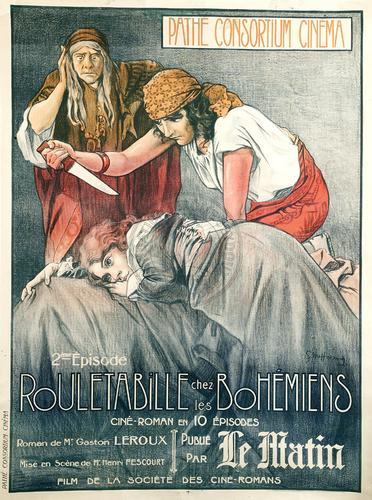
A definitive 6.9/10 rating for a film that redefined the boundaries of cult cinema. Rouletabille chez les bohémiens remains a cornerstone of transgressive art.
In the annals of early cinema, few names resonate with the mystique and narrative ingenuity of Gaston Leroux. His creation, Rouletabille, the intrepid reporter-detective, stands as a testament to the power of intellect over brute force, a harbinger of the cerebral sleuths who would captivate audiences for generations. Among the adaptations of his celebrated works, Rouletabille chez les bohémiens emerges not merely as a cinematic retelling but as a vibrant, if sometimes melodramatic, exploration of human foibles, class divides, and the inexorable pull of fate. This film, a fascinating relic from an era when the language of cinema was still finding its voice, offers a rich tapestry for critical dissection, revealing layers of societal commentary wrapped in the guise of a thrilling adventure.
The narrative pivot of Rouletabille chez les bohémiens is rooted in an act of audacious transgression: Hubert de Lauriac, portrayed with a certain rakish charm by Jules de Spoly, pilfers a priceless, ancient tome from a community of Romani people. This act, seemingly a simple catalyst for wealth, ignites a chain reaction of profound consequences, reverberating through the lives of the aristocracy and the marginalized alike. De Lauriac, now flush with ill-gotten gains, seeks to elevate his social standing by proposing marriage to the elegant Odette de Lavardens (Suzanne Talba). Yet, love, in its unpredictable fashion, has already steered Odette’s affections towards the noble Jean de Santierne (Jean Dehelly), an engagement that promises stability and social congruence. This initial conflict, a classic love triangle complicated by illicit wealth, establishes the film's foundational tension. It's a testament to the enduring power of such narratives, echoing themes found in works like Os Fidalgos da Casa Mourisca, where the intricate dance of inherited status and personal desire often leads to dramatic clashes.
However, the true dramatic crucible of the story is forged in the character of Callixte, Jean de Santierne’s spurned Romani mistress, brought to life with captivating intensity by Édith Jéhanne. Her fury, a potent cocktail of betrayal and a deep-seated sense of injustice, transforms the romantic rivalry into a vengeful crusade. Callixte, embodying the archetypal 'woman scorned,' refuses to passively accept her displacement. Instead, she swears an oath of retribution, setting in motion a series of elaborate schemes designed to dismantle Jean’s newfound happiness. Her character is a powerful exploration of the outsider, the marginalized figure whose passions are often underestimated by the societal elite. This portrayal resonates with the plight of characters in films such as The Outcasts of Poker Flat, where societal boundaries and prejudices often dictate personal destinies and spark desperate acts.
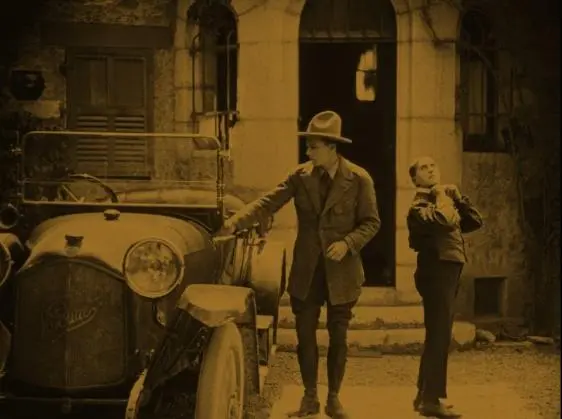
Enter Rouletabille, played with characteristic intellectual vigor by Romuald Joubé. He is not merely a detective; he is an embodiment of journalistic integrity and deductive prowess, a figure whose commitment to truth transcends personal convenience. His friendship with Jean de Santierne draws him into this intricate web of deceit and danger, transforming a personal drama into a public quest for justice. Rouletabille’s methods, relying on keen observation, logical deduction, and an uncanny ability to connect disparate facts, stand in stark contrast to the more visceral, emotionally charged actions of Callixte. He is the calm eye in the storm, the rational mind seeking order amidst chaos. His pursuit of the truth, often obscured by layers of deception, is a central theme, much like the relentless search for veracity in a film titled La verdad.
The film excels in portraying the escalating tension as Rouletabille meticulously unpicks Callixte’s schemes. These are not simple acts of malice but carefully orchestrated plans, reflecting a mind fueled by a potent blend of sorrow and fury. The narrative allows us to witness the unfolding of these plots, often from Callixte’s perspective, granting her character a depth that transcends mere villainy. She becomes a tragic figure, driven by circumstances and societal scorn, rather than pure evil. This complexity is a hallmark of Leroux’s writing and is skillfully translated to the screen, particularly through Jéhanne’s nuanced performance. The interplay between Callixte’s emotional intensity and Rouletabille’s detached analysis forms the dramatic backbone of the film, creating a compelling push-and-pull that keeps the audience engaged.
As a silent film, Rouletabille chez les bohémiens relies heavily on the visual language of cinema and the expressive capabilities of its cast. Romuald Joubé, as Rouletabille, conveys intelligence and determination through subtle gestures and focused gazes, embodying the character's intellectual strength. His performance is a masterclass in silent film acting, where every movement, every shift in expression, carries significant narrative weight. Gabriel de Gravone, Louis Monfils, Émile Saint-Ober, and Joë Hamman, among others, contribute to a rich ensemble, each bringing distinct flavors to their supporting roles, crafting a believable world around the central conflict. The physicality of the performances, the exaggerated yet eloquent gestures, are crucial for conveying emotion and intent without dialogue. This is especially true for the Romani characters, whose vibrant energy and distinct presence are often conveyed through their movements and costuming, adding to the film's visual richness.
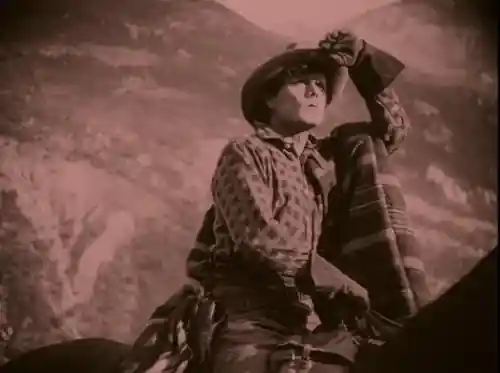
The cinematography, while constrained by the technology of its era, manages to evoke atmosphere and heighten dramatic effect. The portrayal of the Romani encampment, for instance, is imbued with a sense of exoticism and otherworldliness, a common trope of the period that, while problematic through a modern lens, served to visually distinguish this community from the more rigid world of the French aristocracy. The film employs various cinematic techniques – close-ups to emphasize emotional states, wide shots to establish settings, and dynamic editing – to maintain narrative momentum. The use of intertitles, while a necessary component of silent cinema, is judicious, allowing the visual storytelling to take precedence. This careful balance ensures that the audience remains immersed in the unfolding drama, relying on visual cues and the compelling performances to drive the story forward.
Beyond the thrilling mystery, Rouletabille chez les bohémiens delves into profound thematic territory. The initial act of theft by Hubert de Lauriac is not merely a plot device; it is a commentary on avarice and the moral compromises individuals make in pursuit of wealth and social acceptance. This theme of greed, and its corrosive effects, is powerfully explored, drawing parallels to the stark morality tales found in films such as The Curse of Greed. De Lauriac’s subsequent attempts to whitewash his past and integrate into polite society highlight the hypocrisy inherent in class structures, where wealth often dictates morality.
The film also provides a fascinating, albeit historically situated, look at the Romani community. While the portrayal might lean into romanticized or exoticized notions prevalent at the time, it also positions them as guardians of ancient knowledge and culture, wronged by the intrusions of the 'civilized' world. Callixte, in particular, becomes a symbol of resistance against this encroachment, her revenge not just personal but also a defense of her community’s honor. This dynamic adds a layer of social commentary, questioning the very definitions of justice and property. The contrast between the rigid, formal world of the aristocracy and the free-spirited, yet deeply communal, existence of the Romani people is a constant undercurrent, enriching the narrative with social tension. The film, in its own way, touches upon the broader societal struggles and power imbalances that are often the heart of dramatic narratives, much like the explorations of social structures in La capanna dello zio Tom.
The concept of justice itself is central to Rouletabille’s character. He is not merely solving a crime; he is restoring a balance, righting wrongs, and exposing the hidden truths that threaten to unravel the fabric of society. His intelligence and unwavering moral compass make him a compelling hero, a beacon of reason in a world often swayed by passion and prejudice. The film’s resolution, while perhaps conforming to the narrative conventions of its time, offers a satisfying conclusion to the intricate mystery, affirming the ultimate triumph of truth, even if hard-won.
To fully appreciate Rouletabille chez les bohémiens, one must view it through the lens of early cinematic craftsmanship. This was an era of experimentation, where filmmakers were actively defining the visual grammar of storytelling. The pacing, while slower by modern standards, allows for a deliberate build-up of suspense and character development. The use of theatrical acting styles, while sometimes perceived as overly dramatic today, was essential for conveying emotion in the absence of spoken dialogue. The film's aesthetic, from its sets to its costumes, reflects the period's sensibilities, offering a fascinating historical document alongside its narrative merits.
The direction orchestrates the various elements – the performances, the sets, the narrative twists – into a cohesive whole. While the name of the director isn't explicitly provided in the prompt, the execution suggests a clear vision for adapting Leroux's complex plot to the screen. The film's ability to maintain suspense and emotional engagement across its runtime speaks volumes about the skill involved. It’s a reminder that even in its nascent stages, cinema possessed an incredible capacity for storytelling, capable of captivating audiences with intricate plots and compelling characters.
Rouletabille chez les bohémiens, much like other adventure-mysteries of its time such as The Firefly of France, stands as an important piece in the puzzle of cinematic evolution. It showcases the enduring appeal of the detective genre and the timeless fascination with characters who navigate moral ambiguities and societal prejudices. The film’s exploration of betrayal, revenge, and the pursuit of justice continues to resonate, albeit through a historical filter. It invites contemporary viewers to appreciate the foundations upon which modern narrative cinema was built, offering insights into the storytelling techniques and cultural values of a bygone era.
In conclusion, this cinematic adaptation of Gaston Leroux’s work is more than just a historical curiosity. It is a robust narrative, brimming with character, intrigue, and a palpable sense of dramatic urgency. The performances, particularly from Romuald Joubé and Édith Jéhanne, anchor the story, while the thematic explorations provide intellectual depth. While some aspects of its portrayal of marginalized communities might be viewed critically today, the film remains a valuable artifact, a testament to the power of storytelling and the nascent artistry of the moving image. For those with an appreciation for early cinema, for the intricate dance of mystery and melodrama, Rouletabille chez les bohémiens offers a compelling journey into a world where honor, love, and vengeance intertwine under the watchful eye of one of literature’s most enduring sleuths.
IMDb —
1934
Community
Log in to comment.