DbcultAccessing Vault...
Cult Review
Senior Film Conservator
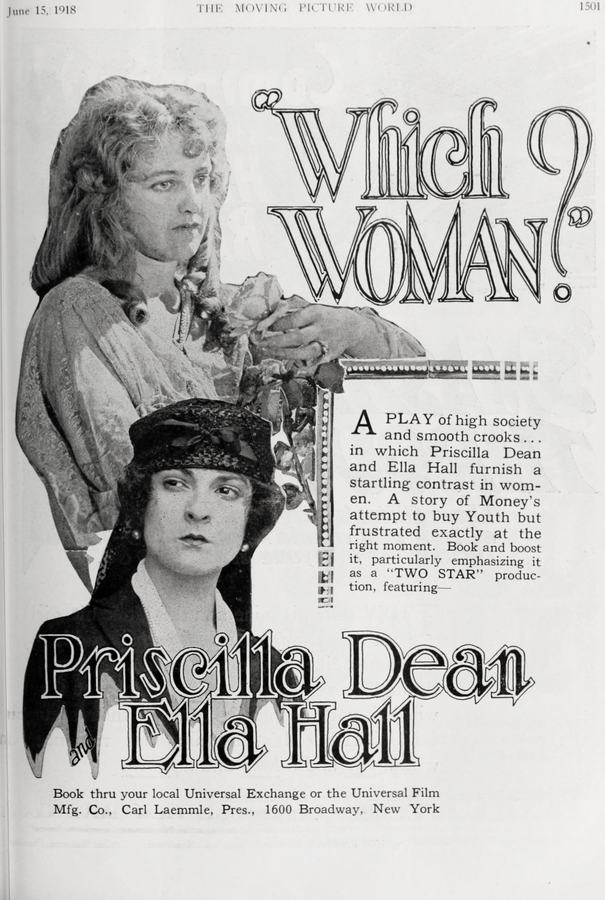
The first thing you notice is the shimmer—not of diamonds, but of sweat on Doris Standish’s clavicle as she rips herself from the matrimonial noose. Director A. Edward Sutherland lets the camera linger there, a half-second too long, turning panic into pearlescent spectacle. It is 1923, and the silent frame has learned how to breathe.
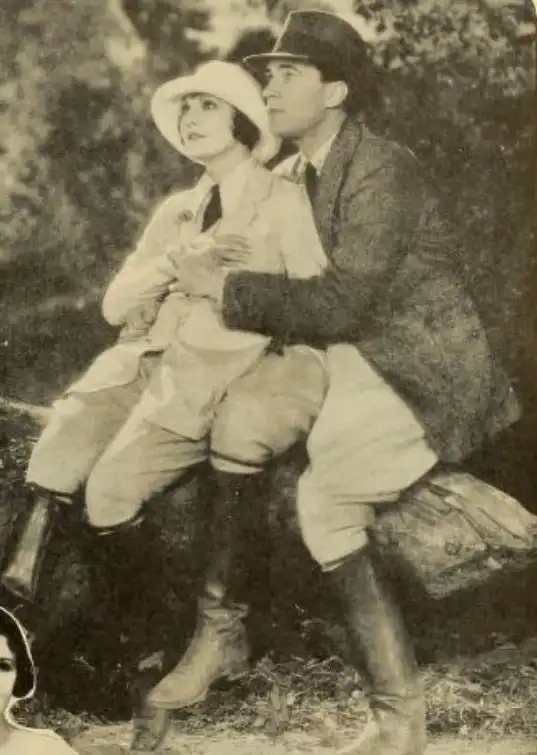
From that opening jolt, Which Woman? becomes a fugue in three movements: escape, entanglement, expropriation. The escape is kinetic—Ella Hall’s Doris vaults mahogany balustrades, silk train flapping like a torn flag of surrender. The entanglement is ethical—Jimmy Nevin, played by Harry Carter with the slouched grace of a man who has read crime novels but never the fine print, realizes his hostage is no random socialite but the daughter of the titan who liquidated his father’s future. The expropriation is romantic—each tries to steal something from the other: she wants freedom, he wants restitution, both discover they have filched one another’s pulse.
Campbell and Coldeway’s screenplay treats plot like a stolen purse: dump the contents, keep the glitter, toss the frame. Scenes fracture mid-action—an iris-out swallows a scream, a smash-cut lands us in a basement speakeasy where gin fizz sloshes against Prohibition’s ribs. Intertitles arrive haiku-sharp: "A heart can be pick-pocketed at twenty paces." Try quoting that without shivering.
The film keeps asking—of its heroine, its audience, its own flickering celluloid—Which woman will emerge: the commodity, the conspirator, or the author of her own fugitive fairy-tale?
Visually, Sutherland pirates from German expressionism and Ashcan verismo alike. Warehouse shadows skew at Expressionist angles, yet the waterfront exteriors sweat with documentary grit—loose boards, gull droppings, the metallic stink of fish guts. Cinematographer Fred Starr (whose later work on Legion of Honor would flirt with orthochromatic lyricism) bathes faces in single-source side-light so cheekbones become cliffs and eyes turn into moonlit quarries.
Priscilla Dean’s Mary Butler—a moll with a mind like a switchblade—gets the film’s most Freudian tableau: she reclines on a tiger skin, cigarette ember syncing with the leopard’s glass eye, while plotting to strip Doris of her betrothal pearls. The shot is lit from below so the smoke coils upwards like ectoplasm of a suffragette demon. Dean, who had already electrified Daughter of Destiny, here weaponizes charm until it becomes a slow-acting poison.
Compare this to the chaste chiaroscuro of The Eternal City or the pastoral fatalism of The Road to the Dawn; Which Woman? opts for urban bedlam, a city that never sleeps because it’s too busy forging alibis. The skyline is a graph of rising stock and falling bodies.
Yet the film’s true radicalism lies in its refusal to punish female appetite. Doris doesn’t crawl back to patriarchy for absolution; instead she weaponizes etiquette—her finishing-school curtsy doubles as feint, her society flutter masks a mind running cost-benefit analyses. When she finally alerts the police, it’s not out of damsel distress but ledger-balancing: the thieves threatened her autonomy, ergo they must be amortized.
Listen to the silent score—if you’re lucky enough to catch the 2018 Murnau-Stiftung restoration with a live trio—how the violins mimic hoofbeats during the Central Park carriage chase, then dissolve into a whole-tone haze when Jimmy first brushes Doris’s wrist. The music knows what the censors of 1923 refused to admit: that larceny and longing share a heartbeat.
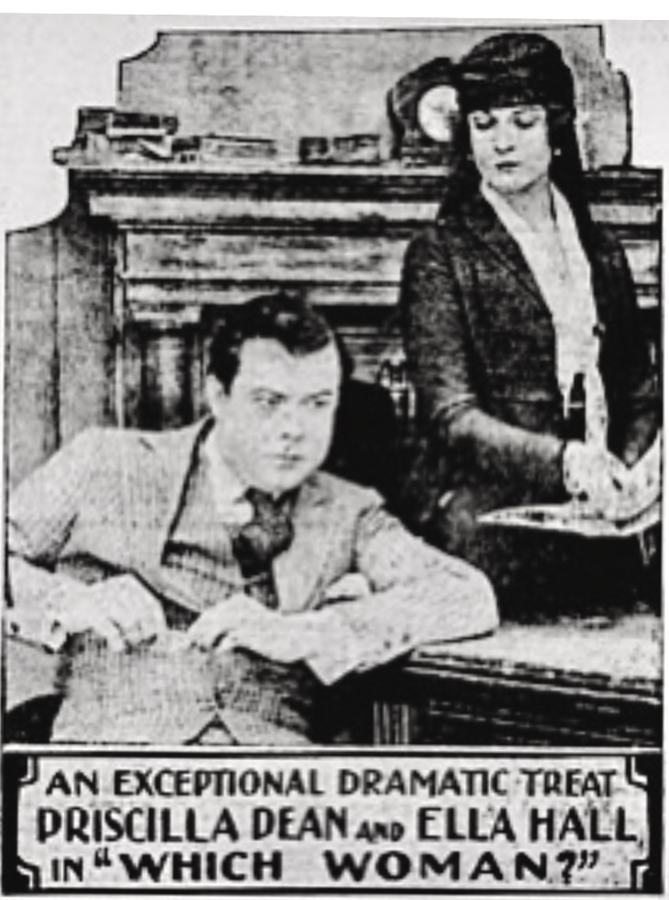
Some contextual scaffolding: America was busy legislating the 19th Amendment into a hollow souvenir while Wall Street hawked prosperity like snake oil. Against that backdrop, a runaway bride who won’t be retrieved reads like a Molotov wrapped in tulle. Studios feared suffragette backlash, hence Universal’s publicity department buried the film’s gender revolt under taglines about "jewel-thrill melodrama." History obliged; the picture vanished for eight decades, misfiled under Who Was the Other Man? in a Kansas nitrate depot.
Contemporary resonances? Observe how the chauffeur’s revenge plot anticipates today’s gig-economy rage—Jimmy is merely Uber-driving his trauma. Or note the wedding registry as proto-Instagram flex: each gift is not affection but asset, catalogued, insured, envied. When Mary’s gang heaves the loot into gunny sacks, the film stages the original cancel-culture: privilege revoked at claw-point.
Performance notes: Ella Hall’s eyes operate like semaphore—one flicker toward the exit and we read entire manifestos. Harry Carter counterbalances with the slouch of someone who has pawned his own conscience but keeps the ticket stub. Their chemistry is less meet-cute than collide-cruel; they grip each other like two negatives striving for a print that refuses to develop.
Sutherland, later known for W.C. Fields comedies, here proves himself heir to von Sternberg’s erotic fatalism. He choreographs a long take inside the thieves’ loft where characters rotate like numbered balls in a lottery drum, each pause a potential betrayal. The camera itself seems an accomplice, ducking behind crates, eavesdropping through keyholes, until point-of-view implodes into voyeuristic guilt.
And the finale—ah, that bravura shrug of an ending—cops swarm, Hopkins blusters, paternal outrage collapses under the weight of receipts. Jimmy, now love-struck, is allowed to slip away, but Sutherland withholds the obligatory clinch. Instead we get a medium shot of Doris adjusting her own hatpin, gaze fixed past the lens, as if measuring the horizon she will conquer next. Fade-out on a woman who has traded one escape vehicle for another: marriage out, self-definition in.
Compare the moral bookkeeping of Thou Art the Man or the sentimental redemption in The Regeneration; here redemption is neither asked nor offered. Capitalism’s victims don’t hug it out—they ghost the narrative, pockets jangling with reparations.
Flaws? The comic-relief butler (Edward Jobson) belongs to a lesser two-reeler, and a racial caricature during the dock sequence is a period wart best excised. Yet even those potholes testify to the film’s unruly vitality—like graffiti on a cathedral, crude but proof the parishioners bled.
Should you watch? If you crave the moral clarity of One Hundred Years Ago or the pastoral lyricism of Skottet, stay away. But if you like your romance served with larceny, your feminism with picklocks, your jazz-age opulence lit like a crime scene—then stream this phoenix of nitrate. Just don’t blame me if you finish itching to hijack your own getaway car.
Final paradox: the title never receives an answer onscreen, yet every viewer exits certain they know exactly which woman survived—she is the one who refused to be either question or answer, but insisted on becoming the syntax itself.
IMDb —
1923
Community
Log in to comment.