DbcultAccessing Vault...
Cult Review
Senior Film Conservator
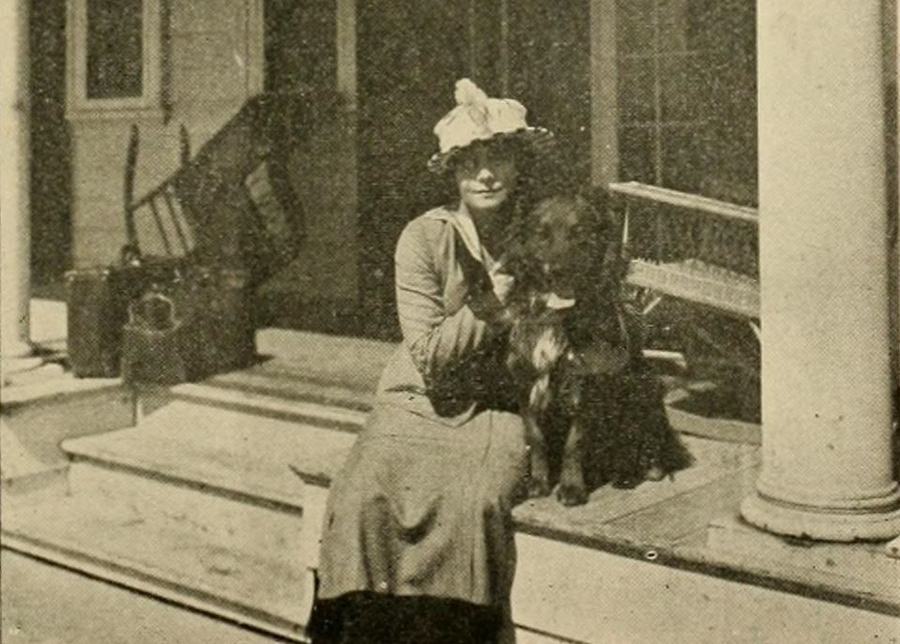
In the nascent years of feature-length cinema, few films captured the intersection of untamed nature and human chicanery with as much gravitas as The Wild Olive. Released in 1915, this production emerges not merely as a relic of the silent era but as a sophisticated exploration of the 'other.' The title itself, a botanical metaphor for the uncultivated yet resilient spirit of Miriam Strange, sets the stage for a drama that is as much about the soil as it is about the soul. Unlike the more theatrical offerings of the period, such as A Fool There Was, which relied on the 'vamp' archetype, The Wild Olive anchors its melodrama in the grit of a lumber camp, where the rustling of the leaves often drowns out the cries for justice.
The film’s opening movements are a masterclass in establishing atmosphere. We are introduced to the Allegheny lumber camp not as a romanticized frontier, but as a site of industrial friction and bullying. Here, the 'Wild Olive'—portrayed with a haunting, understated luminosity by Myrtle Stedman—exists as a pariah. Her heritage, a blend of indigenous and settler blood, renders her a liminal figure, much like the protagonists in The Call of the North. The cinematography, though restricted by the technology of the time, manages to imbue the woodland settings with a sense of watchful presence, making the forest a character in its own right.
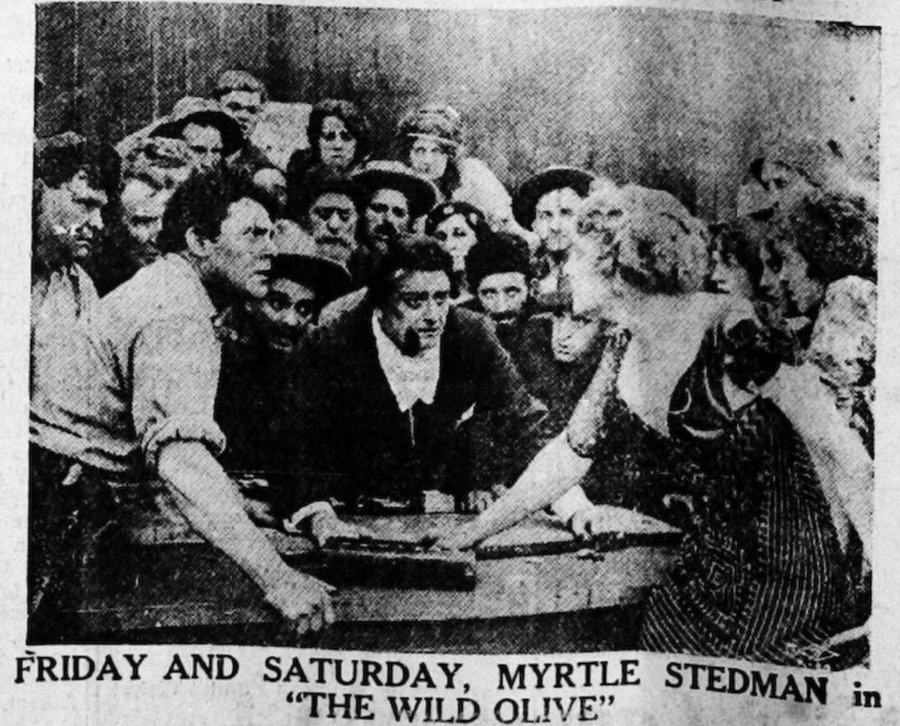
The narrative pivot—the murder of the camp’s oppressive boss—serves as the catalyst for a profound transformation in Norrie Ford (Forrest Stanley). The setup is quintessential melodrama: a hidden knife, a wrongful conviction, and a desperate flight from the law. Yet, the execution transcends these tropes through the chemistry between Stanley and Stedman. When Norrie seeks refuge in Miriam’s hut, the film shifts from a crime thriller into an intimate character study. The silence of the medium amplifies the weight of their exchange; every glance is heavy with the realization that their lives have been irrevocably entwined by a singular act of violence.
Miriam’s decision to help Norrie escape to Buenos Aires is the first of many sacrifices. Her 'letter of introduction' is more than a piece of paper; it is a lifeline thrown from the periphery of society to a man who has lost his place within it. This sequence echoes the desperate escapes seen in An Odyssey of the North, where the harshness of the environment mirrors the cruelty of human institutions. The transition from the rugged Allegheny to the sophisticated urbanity of Buenos Aires provides a startling visual contrast, highlighting the theme of identity as a fluid, often deceptive, construct.
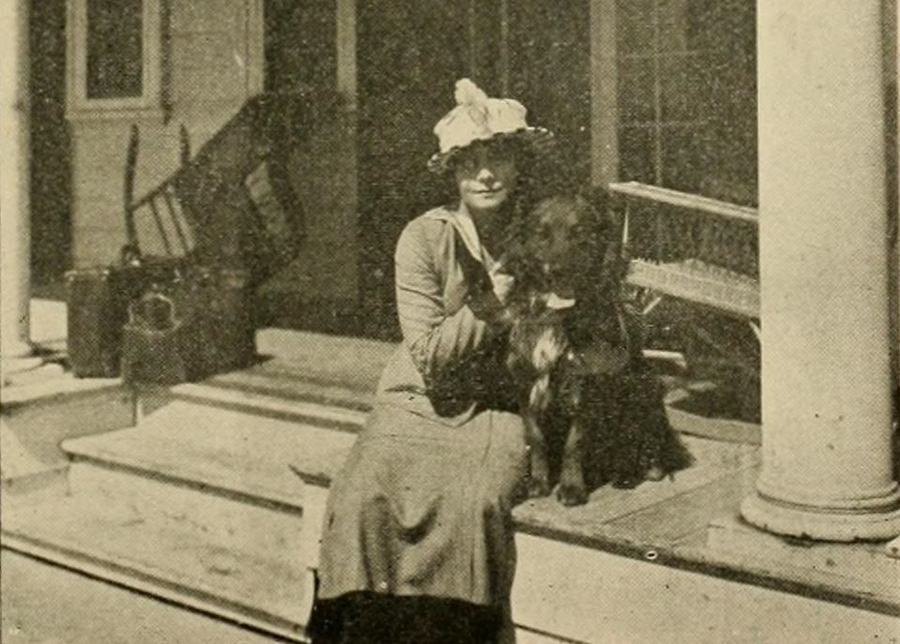
Years later, we find Norrie Ford transformed. Sporting a beard and an assumed name, he has successfully grafted himself onto the upper echelons of South American society. This metamorphosis is a poignant commentary on the malleability of reputation. Is a man defined by his past, or by the mask he wears in the present? This question was a recurring motif in 1915 cinema, seen in various forms in Was He a Coward? and Officer 666. Norrie’s engagement to Evie Wayne, Miriam’s stepsister, adds a layer of Sophoclean irony to the proceedings. The world is small, and the threads of fate are inextricably tangled.
When Norrie is recalled to New York, the collision of his two lives becomes inevitable. The New York sequences are filmed with a sharp, vertical energy that contrasts with the horizontal sprawl of the lumber camp. It is here that the film explores the legalistic and moral complexities of Norrie’s situation. The character of Charles Conquest, the lawyer, represents the cold, transactional nature of civilized society. He is the antithesis of the 'Wild Olive'; where she acts out of instinctual love and sacrifice, he acts out of calculated gain.
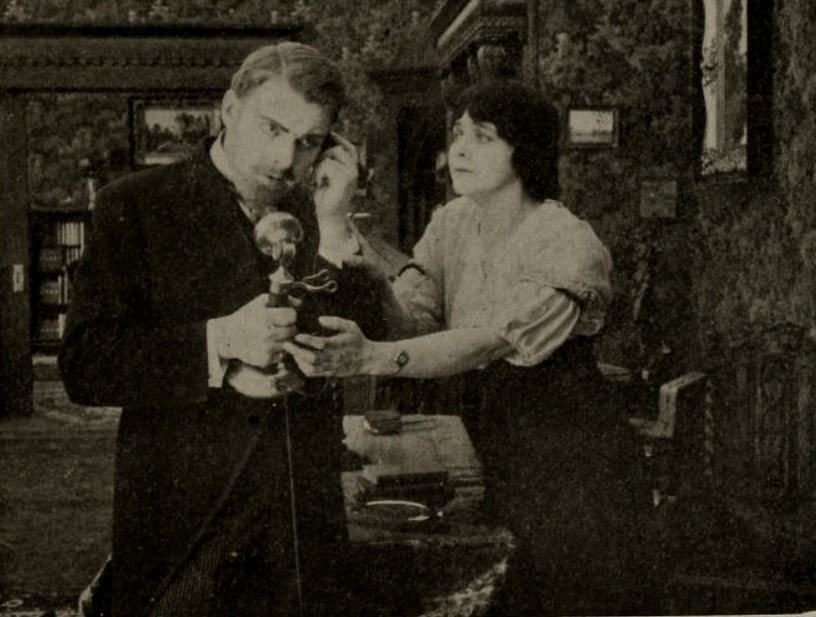
The third act of The Wild Olive is a tour de force of emotional manipulation—in the best sense of the word. Miriam’s agreement to marry Conquest in exchange for Norrie’s freedom is a moment of profound pathos. It elevates her from a mere love interest to a tragic heroine of the highest order. Her sacrifice is not just of her heart, but of her autonomy. This theme of a woman bartering her future for the sake of a man’s redemption was a staple of the era, yet here it feels uniquely grounded in Miriam’s identity as an outsider. She knows the price of freedom because she has never truly possessed it.
The resolution, involving a deathbed confession, might seem convenient to modern audiences accustomed to the gritty realism of contemporary noir. However, within the framework of 1915 storytelling—parallel to works like The Yellow Traffic—it serves as a necessary restoration of moral equilibrium. The confession is the deus ex machina that allows the characters to escape the labyrinth of their own making. Conquest’s eventual release of Miriam, upon witnessing the depth of her devotion to Norrie, provides a rare moment of grace in a narrative otherwise dominated by coercion and fear.
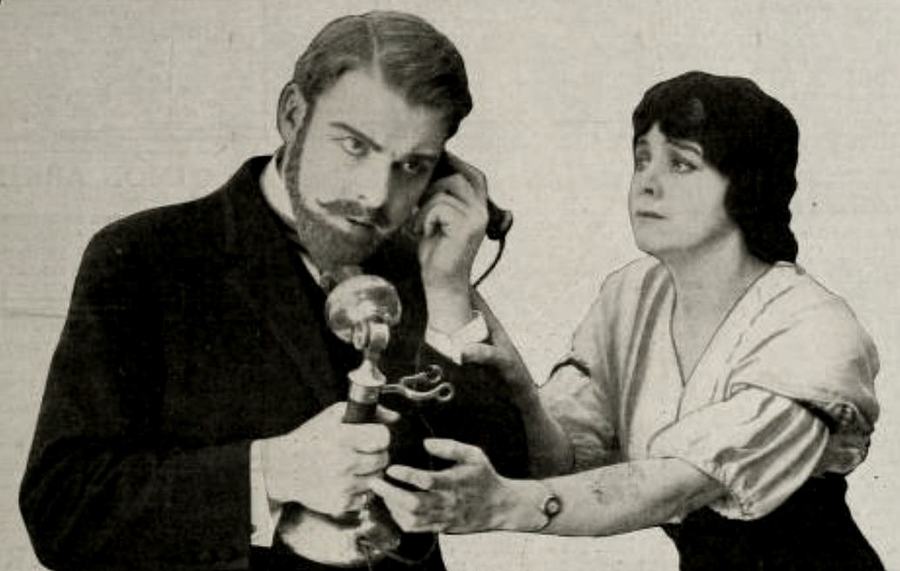
Myrtle Stedman’s performance remains the film’s gravitational center. In an era often characterized by 'over-acting' to compensate for the lack of sound, Stedman utilizes her eyes and posture to convey a complex interiority. She captures the duality of the 'Wild Olive'—the strength of the wilderness and the vulnerability of the marginalized. Forrest Stanley provides a solid, if more conventional, foil as Norrie, effectively charting the character’s journey from callow youth to a man burdened by a secret history. The supporting cast, particularly Herbert Standing as the bullying uncle, creates a palpable sense of menace that lingers long after his character’s demise.
Technically, the film benefits from the direction of Oscar Apfel (though the writing credits go to Elmer Harris and Basil King). The pacing is deliberate, allowing the emotional beats to resonate before moving the plot forward. The use of location shooting for the Allegheny sequences adds an authenticity that stage-bound productions like Barnaby Rudge often lacked. There is a tactile quality to the film—the dust of the camp, the coldness of the prison cell, the opulence of the New York offices—that anchors the high-stakes melodrama in a recognizable reality.
The Wild Olive stands as a testament to the sophistication of early American cinema. It tackles themes of racial identity, class mobility, and the fallibility of the justice system with a nuance that belies its age. While it shares some DNA with other 'frontier' dramas like The Circus Man, it distinguishes itself through its focus on the internal life of its heroine. Miriam Strange is not a victim of her circumstances, but an architect of her own moral universe.
For the modern cinephile, viewing The Wild Olive is an exercise in uncovering the roots of the psychological thriller. It reminds us that before there were car chases and digital effects, there were stories of human endurance and the harrowing choices made in the shadow of the law. It is a film that demands to be seen not just as a historical curiosity, but as a vibrant, breathing piece of art that still has much to say about the 'wild' parts of the human condition that can never truly be tamed.
IMDb —
1936
Community
Log in to comment.