DbcultAccessing Vault...
Cult Review
Senior Film Conservator
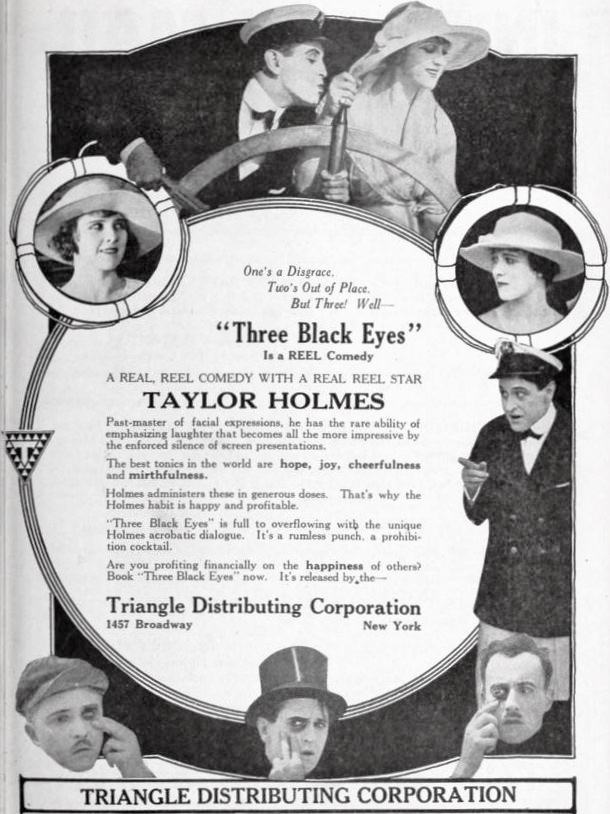
Step back in time with me, if you will, to an era when the silver screen was truly silent, yet resonated with a symphony of exaggerated gestures, dramatic intertitles, and the boundless imagination of pioneering filmmakers. We're talking about 1919, a year brimming with post-war optimism and a burgeoning cinematic language. It’s within this vibrant milieu that we encounter Three Black Eyes, a film that, despite its somewhat ominous title, unfurls as a delightful confection of romantic comedy, slapstick chaos, and surprisingly intricate criminal intrigue. As a critic, I'm always on the hunt for those forgotten gems that offer a window into the past, and this particular feature, directed by Charles Horan, certainly provides a fascinating glimpse.
The narrative thrust of Three Black Eyes is immediately compelling, launching us into the opulent, yet ultimately raucous, world of four wealthy young men. Our protagonist, Larry Van Cortlandt, is introduced as a quintessential playboy, part of a quartet of privileged scions whose evening of revelry at a cabaret spirals into an ignominious ejection. This initial scene sets a wonderfully chaotic tone, establishing Larry not as a villain, but as a charmingly reckless figure whose antics often precede him. It’s amidst this boisterous fracas that he first lays eyes on Natalie Shelton, the daughter of a prominent munitions magnate, Stanhope Shelton. This chance encounter, fleeting and unconsummated by a proper introduction, ignites the romantic spark that will drive much of the ensuing plot. The immediate attraction, despite the dramatic circumstances, is a classic cinematic trope, and it’s handled with a certain panache that keeps the audience invested in Larry’s quest for connection.
The immediate aftermath of their expulsion sees Larry and his cronies, Castleton, “Fatty” Harriman, and Payne, seeking refuge. Their chosen sanctuary? Larry’s luxurious yacht. This sudden shift in locale from the glittering, enclosed space of a cabaret to the open, potentially boundless sea, is a clever narrative device. However, their escape is quickly complicated by the relentless pursuit of a plainclothes detective, Hogan, who seems determined to bring Larry to justice for his earlier public disturbance. This element of pursuit adds a layer of light suspense, pushing our protagonists further into their improvised adventure. The yacht, initially a symbol of their wealth and escape, soon becomes a source of new comedic predicaments when the entire crew, presumably fed up with their employers' antics, abruptly quits. Imagine the scene: four pampered gentlemen, accustomed to being waited on hand and foot, suddenly left to manage a sizable vessel themselves. It's a setup ripe for comedic gold, reminiscent of the fish-out-of-water scenarios that populated many silent comedies, where the privileged are forced to confront the realities of manual labor, often with hilarious results.
The ingenuity of the plot truly shines the following morning. With their yacht essentially adrift and lacking a crew, Castleton and Payne, with a stroke of inspired (or perhaps desperate) brilliance, affix a “for hire” sign to the vessel. This seemingly innocuous act is the catalyst for the next major development, a delightful twist of fate that brings Larry back into Natalie’s orbit in the most unexpected way. Lo and behold, the Sheltons themselves, seeking a leisurely maritime excursion, unknowingly engage Larry’s yacht. The irony is palpable and brilliantly executed; the very people Larry offended are now his unwitting passengers. This kind of mistaken identity and situational irony is a hallmark of classic comedies, and Three Black Eyes leverages it to great effect, creating a delicious tension between the characters who know the truth and those who remain blissfully unaware.
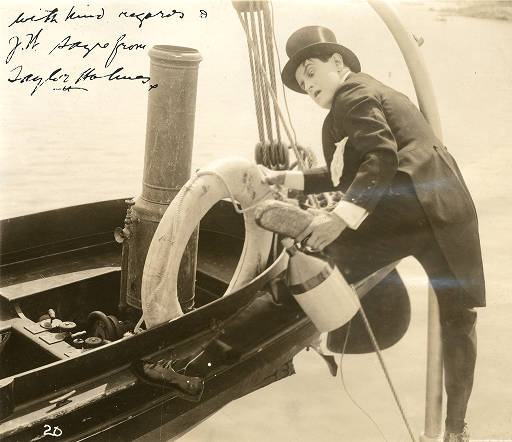
With the Sheltons onboard, the stage is set for a series of charmingly chaotic interactions. Larry, seizing the opportunity, takes it upon himself to teach Natalie the finer points of steering the yacht. This, as one might predict, does not go smoothly. The sequence of Larry attempting to instruct Natalie, resulting in multiple collisions with other boats, is pure slapstick joy. It's a testament to the physicality of silent comedy, where exaggerated movements and visual gags convey humor far more effectively than any spoken dialogue could. The sight of vessels bumping and scraping, likely accompanied by frantic gestures and wide-eyed expressions from the actors, would have undoubtedly elicited hearty laughter from audiences of the era. This playful chaos also serves a crucial purpose in the romantic narrative: it allows Larry and Natalie to bond, to share intimate moments of shared amusement and minor peril, fostering a genuine connection beneath the surface of the madcap antics. The yacht, once a refuge, becomes a crucible for their burgeoning romance.
The casting here is key to making these interactions believable and engaging. Taylor Holmes, as Larry Van Cortlandt, likely embodies the youthful exuberance and underlying good nature of a character who could easily be seen as merely spoiled. His ability to convey charm despite his character's initial recklessness would have been paramount. Diana Allen, as Natalie, would have needed to project a blend of grace, curiosity, and a sense of adventure, making her a worthy romantic foil for Larry’s spirited personality. Their on-screen chemistry, even without dialogue, would have been essential in selling the developing romance amidst the comedic mayhem. Films like Polly of the Circus, which also explored class differences and unexpected romance, often relied heavily on the charisma of their leads to carry the emotional weight.
Just when you might settle into the rhythm of a charming romantic comedy, Three Black Eyes takes an unexpected, yet thrilling, turn. The plot introduces a layer of criminal intrigue that elevates it beyond simple farce. It's revealed that four individuals within the Shelton party itself are not guests at all, but cunning burglars, intent on robbing the other unsuspecting attendees. This revelation adds a delicious element of betrayal and suspense, forcing the audience to re-evaluate characters they thought they knew. The audacity of executing a heist within the very social circle they’ve infiltrated is a testament to the cleverness of the film's writers, Charles Horan.
But the criminal enterprise doesn't stop there. In a parallel development, two other crooks are simultaneously ransacking the Shelton mansion, presumably taking advantage of the family’s absence on the yacht. This dual-heist structure is a surprisingly sophisticated narrative choice for a film of this era. It creates a sense of escalating stakes and broadens the scope of the danger, transforming what started as a personal comedic escapade into a matter of protecting property and justice. This complexity is not something one always expects from early silent films, which often favored simpler, more direct plots. The intertwining of the personal and the criminal adds significant depth and excitement. One might draw parallels to other early crime dramas or thrillers, where the stakes felt equally high, such as The Clue, which also navigated intricate criminal investigations, or even the more fantastical elements of a film like The Vampires: Hypnotic Eyes, which toyed with criminal masterminds and their elaborate schemes.
It is in this crucible of comedic mishap and criminal treachery that Larry Van Cortlandt truly shines. The transformation of Larry from a reckless, intoxicated playboy to a resourceful and heroic figure is central to the film's appeal. He doesn't just stumble into heroism; he actively orchestrates the capture of all the crooks at the Shelton home. This moment of decisive action is a profound turning point for his character. It demonstrates that beneath the veneer of privilege and irresponsibility lies a core of courage and capability. This redemption arc is a timeless narrative device, allowing the audience to witness a character grow and prove their worth, not just to their love interest, but to themselves and their society.
Larry's successful apprehension of the criminals serves multiple purposes. Firstly, it resolves the thrilling criminal subplot, bringing justice to the Sheltons and their guests. Secondly, and perhaps more importantly for the romantic narrative, it completely wins over both Natalie and her father, Stanhope Shelton. The father's approval, often a critical hurdle in stories of this era, is secured not by wealth or lineage, but by genuine bravery and competence. This narrative choice reinforces the idea that true character is revealed in moments of crisis, a theme that resonates strongly. The final scenes, presumably depicting Larry basking in the admiration of both his beloved and her influential father, provide a satisfying conclusion to both the romantic and heroic threads of the story. It’s a classic Hollywood ending, where the hero gets the girl and the respect he's earned.
Charles Horan’s direction of Three Black Eyes, while perhaps not groundbreaking in its cinematic artistry compared to some contemporaries, is remarkably effective in its storytelling. The pacing seems to strike a fine balance between the lighthearted comedic moments and the building tension of the criminal plot. Horan demonstrates a clear understanding of how to use visual cues and character interactions to drive the narrative forward in the absence of spoken dialogue. The film's ability to juggle multiple plotlines – the romance, the comedic yachting, and the dual heist – without losing clarity speaks to a competent directorial hand. The visual gags, particularly during the sailing lesson, would have required precise timing and blocking, a skill that Horan appears to have mastered.
The performances, as mentioned, are crucial in silent cinema. Taylor Holmes, with his probable blend of charm and comedic timing, would have anchored the film. Diana Allen as Natalie would have needed to convey intelligence and spirit, making her more than just a prize to be won. The supporting cast, including Louise Orth, Gordon Standing, William Bailey, Ida Pardee, and Clara Moores, would have been instrumental in fleshing out the various comedic and villainous roles. Silent acting often demanded a theatricality that could sometimes feel over-the-top by modern standards, but in its context, it was the primary means of conveying emotion and intent. The expressiveness of the actors' faces and bodies would have been paramount, turning simple gestures into powerful narrative tools. It's a fascinating challenge for actors, and the success of a film like Three Black Eyes rests heavily on their ability to communicate without a single spoken word. Consider how films like The Imp or The Haunted House relied on the physical comedy and reactions of their stars to generate humor.
Beyond the surface-level entertainment, Three Black Eyes touches upon several enduring themes. The most obvious is the classic romantic journey, where two individuals from different initial circumstances find love amidst chaos. There's also the theme of redemption, as Larry sheds his frivolous image to become a responsible hero. The film subtly explores class dynamics, contrasting the carefree lives of the wealthy protagonists with the more grounded reality of their predicaments and the societal expectations placed upon them. The very idea of privileged young men being forced to work their own boat, even comically, speaks volumes about the era's fascination with social mobility and the responsibilities of the elite. This theme of social commentary through humor and romance can be observed in other films of the period, such as The Upper Crust or Extravagance, which often satirized the lives of the wealthy.
From a historical perspective, Three Black Eyes offers a delightful snapshot of American cinema in 1919. It’s a period when films were rapidly evolving, moving beyond simple actualities and one-reelers towards more complex, feature-length narratives. The film’s blend of genres—comedy, romance, and crime—reflects the burgeoning diversity of cinematic storytelling. It demonstrates a growing sophistication in plot construction and character development, even within the confines of silent film conventions. The reliance on clear visual storytelling, dynamic action sequences (like the yacht collisions and the home invasion), and expressive acting highlights the strengths of the medium before the advent of sound. It’s a testament to the universal appeal of good storytelling, regardless of technological limitations.
In conclusion, Three Black Eyes, despite its age and perhaps its lesser-known status compared to some of its more famous contemporaries, stands as a charming and remarkably entertaining piece of silent cinema. It's a film that successfully weaves together elements of madcap comedy, a blossoming romance, and a surprisingly engaging criminal plot. Charles Horan’s direction, coupled with the expressive performances of Taylor Holmes and Diana Allen, creates a narrative that is both lighthearted and thrilling. The film's ability to transition seamlessly from drunken revelry to desperate escape, from farcical sailing lessons to a high-stakes double heist, speaks volumes about its narrative construction. It’s a delightful reminder of the ingenuity and charm of early filmmaking, proving that a compelling story, well told, can transcend the boundaries of time and technology.
For those with an appreciation for silent films, or indeed anyone curious about the roots of cinematic storytelling, Three Black Eyes offers a rewarding viewing experience. It's more than just a historical artifact; it's a testament to the enduring power of classic narratives—the rogue who finds his purpose, the girl who sees beyond the surface, and the triumph of good over mischief, all wrapped up in a package of delightful, silent entertainment. It’s a film that genuinely deserves a closer look, a vibrant example of how much could be conveyed without a single spoken word, leaving a lasting impression long after the final intertitle fades.
IMDb —
1926
Community
Log in to comment.