DbcultAccessing Vault...
6/10
Senior Film Conservator
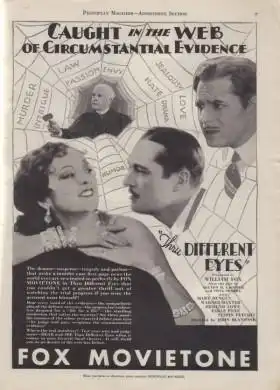
A definitive 6/10 rating for a film that redefined the boundaries of cult cinema. Thru Different Eyes remains a cornerstone of transgressive art.
So, you’ve heard of Rashomon, right? Of course you have. Kurosawa’s masterpiece, everyone remembers that. But what if I told you there’s this old flick from way back in 1929, called Thru Different Eyes, that basically did the same thing? Not quite as polished, naturally, but the idea is right there. If you’re a film history buff, or just really into how people tell stories, this one’s definitely worth a look. If you need explosions or crystal-clear motivations from every single character, maybe give it a miss. It’s a slow burn, for sure. 🎬
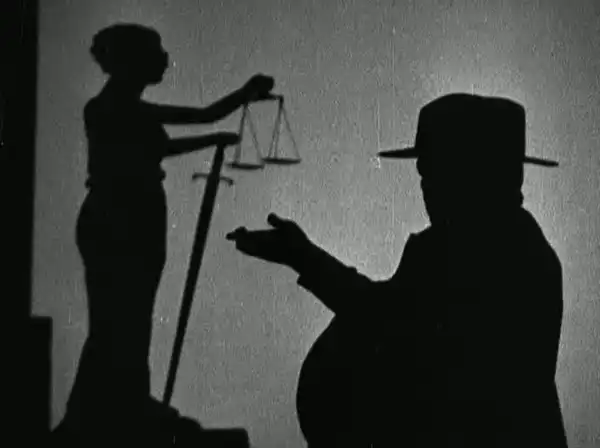
The whole setup is a courtroom drama. We’ve got a murder, naturally. A rich guy, stabbed. And then we get to hear from different folks who were there, or thought they were there. Each one tells their version of what went down. And surprise, surprise, everyone saw something a little… different. It’s pretty neat to see this narrative trick playing out so early.
The movie really leans into its stagey origins, which you kinda expect for 1929. Lots of talking heads, mostly. But the way it shifts from one person’s testimony to their flashback? That’s where it gets interesting. You see a scene play out, then you see it again, but a whole different vibe, a different focus. Like, one guy remembers a woman being totally distraught, practically hysterical. Then another witness describes her as cool as a cucumber, almost cold. Which one's telling the truth? Or is it all just perception?
Warner Baxter, he’s the lead prosecutor. He’s got this intensity that really carries a lot of the courtroom scenes. You can almost feel the movie trying to convince you his questions matter. He paces, he gestures, you know, the whole nine yards. Sometimes, though, his reactions feel a little too big, even for the era. Like he’s playing to the back row of a theater, not a camera that’s right there.
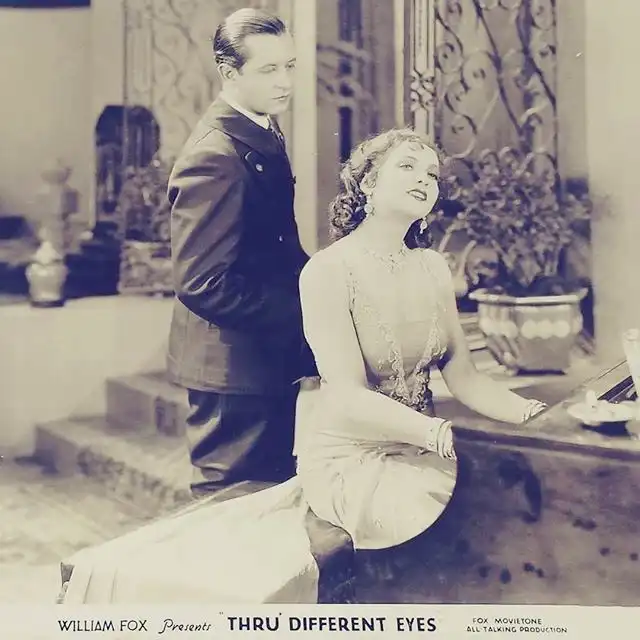
Then there’s Sylvia Sidney. She plays the wife, and she’s just… captivating. Her face holds so much. When she’s on the stand, you can see the weight of everything on her. Not a lot of big speeches from her, but her eyes? Man, they tell a story all their own. A very quiet, almost still performance that really stuck with me.
One part I kept thinking about: the maid’s testimony. She’s this timid, nervous lady, played by Mary Duncan. Her version of events is all about the little things she saw, the atmosphere of the house before the murder. And her flashback, it’s all shadowy, full of creaking doors and suspicious glances. It felt very much like her own fear coloring what she witnessed. That’s the good stuff, when you see that kinda subtle character work.
The film does get a little bogged down sometimes. Some of the witnesses, their stories just aren't as compelling. You kinda wait for them to finish so you can get back to the good parts. And the pacing, it's definitely not for folks used to quick cuts and constant action. It takes its sweet time. But then, it’s building something, isn’t it?
There’s a moment where a character, I think it was Stanley Blystone's character, just stares off into space for what feels like an eternity after giving his testimony. It was just a little beat, but it made me wonder what he was thinking. Was it regret? Confusion? Or just the actor waiting for his cue? It’s those tiny, unexplained moments that make it feel real, somehow.
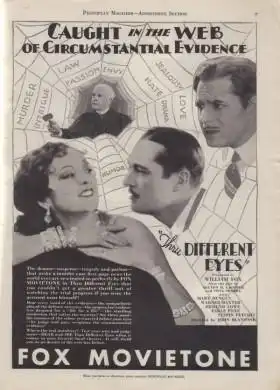
And the ending? Well, it ties things up, but not in a neat, little bow. It leaves you with something to chew on. Not quite as ambiguous as Rashomon eventually became famous for, but it definitely makes you question what you thought you knew. For a film from its time, that's pretty bold, actually. 👍
It’s not perfect. The sound quality dips here and there, and some of the acting feels, let’s say, a product of its time. But you gotta respect it for trying something different, for playing with perspective when most movies were still figuring out how to make people talk on screen. A fascinating peek into early cinematic experimentation, really.
I also remember this one shot of a grandfather clock in the background during a tense moment. It just ticked away, super loud. It wasn't even a plot point, just there. But it added this odd sense of dread, like time itself was judging everyone in the room. Little details like that. ✨
So yeah, if you're into seeing how film narratives evolved, or just appreciate a good old-fashioned mystery that messes with your head a little, give Thru Different Eyes a try. Just go in knowing it's a piece of history, not a modern blockbuster. It has its charms, and some genuinely clever ideas.
IMDb —
1919
Community
Log in to comment.