DbcultAccessing Vault...
6.2/10
Senior Film Conservator
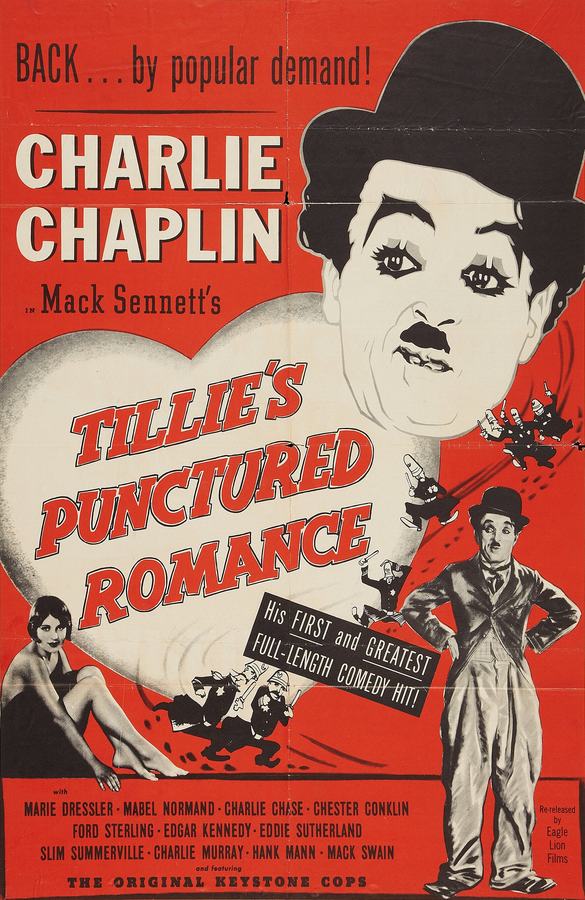
A definitive 6.2/10 rating for a film that redefined the boundaries of cult cinema. Tillie's Punctured Romance remains a cornerstone of transgressive art.
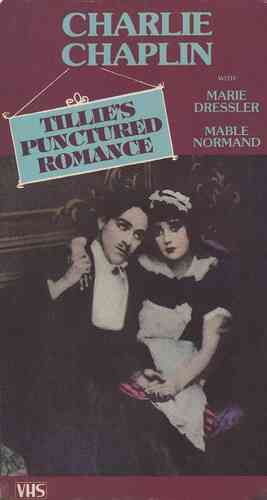
When the reels of Tillie's Punctured Romance begin to spin, the viewer is thrust into a world where the line between urban guile and rural innocence is drawn with a comically oversized brush. The film, directed by the indefatigable Mack Sennett, is often cited as the first feature‑length comedy, and it lives up to that claim by delivering a relentless barrage of visual jokes that echo through the corridors of cinematic history.
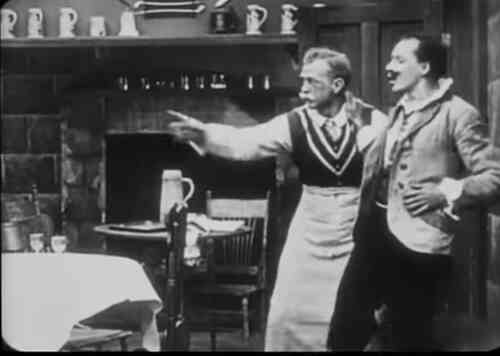
The central figure, portrayed by Tom Byrne, is a quintessential early‑film anti‑hero: slick, fast‑talking, and perpetually one step ahead of the law—until the law itself becomes a punchline. His scheme to marry Tillie (Marie Dressler) is not merely a plot device; it is an exposé of the era’s anxieties about the corrupting influence of the city on pastoral virtue. The con man’s machinations are orchestrated with a precision that mirrors the mechanical timing of a well‑oiled slap‑stick machine.
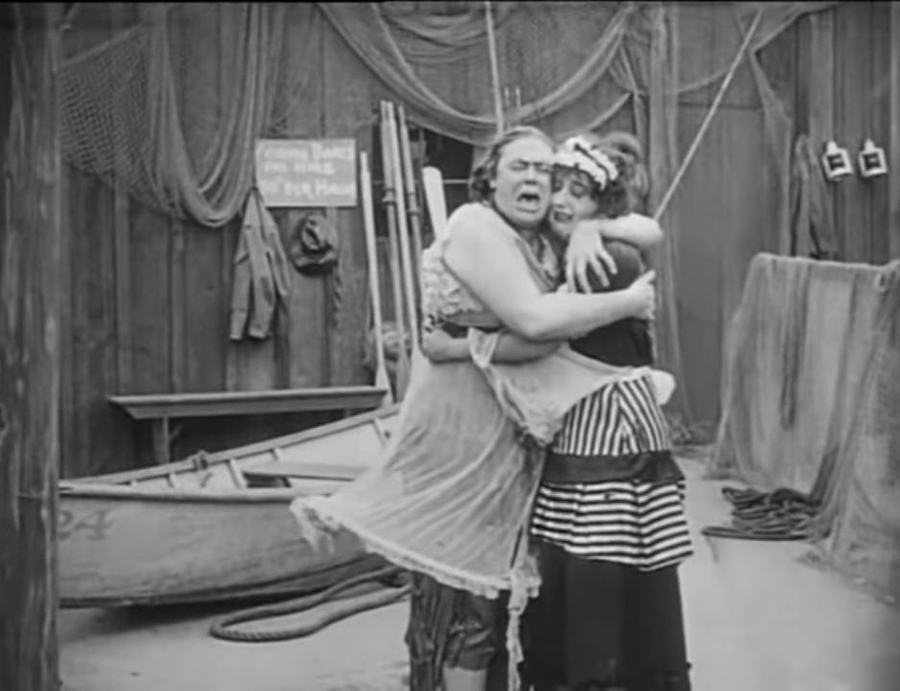
Dressler’s Tillie is a marvel of silent‑era acting, her expressive eyebrows and exaggerated gestures conveying a spectrum of emotions without a single spoken word. She embodies the archetype of the “country girl” thrust into the bewildering maelstrom of urban deception. Her innocence is not a weakness but a narrative catalyst that amplifies the absurdity of the con man’s stratagem.
Enter the Keystone Cops, a troupe whose very presence guarantees pandemonium. Led by Chester Conklin and bolstered by the likes of Charley Chase and Mack Swain, the Cops transform a simple wedding ceremony into a choreographed disaster. Their signature pratfalls, misfired pistols, and frantic pursuits are choreographed with a rhythm that predates modern action‑comedy timing.
Beyond the narrative, the film’s true brilliance lies in its ensemble. Charlie Chaplin, in a brief but memorable cameo, showcases the nascent brilliance that would later redefine cinema. His physical comedy, though limited in screen time, hints at the genius that would soon erupt in The Kid and City Lights. Meanwhile, Minta Durfee’s supporting role provides a sharp counterpoint to Dressler’s earnestness, delivering rapid‑fire gags that keep the momentum relentless.
The cinematography, credited to Charles Chaplin’s early collaborator, employs static wide shots that allow the choreography of chaos to unfold in its entirety. This choice respects the theatrical roots of silent comedy while exploiting the camera’s capacity for panoramic spectacle. The intertitles, peppered with witty wordplay, serve as both narrative anchors and additional comedic beats.
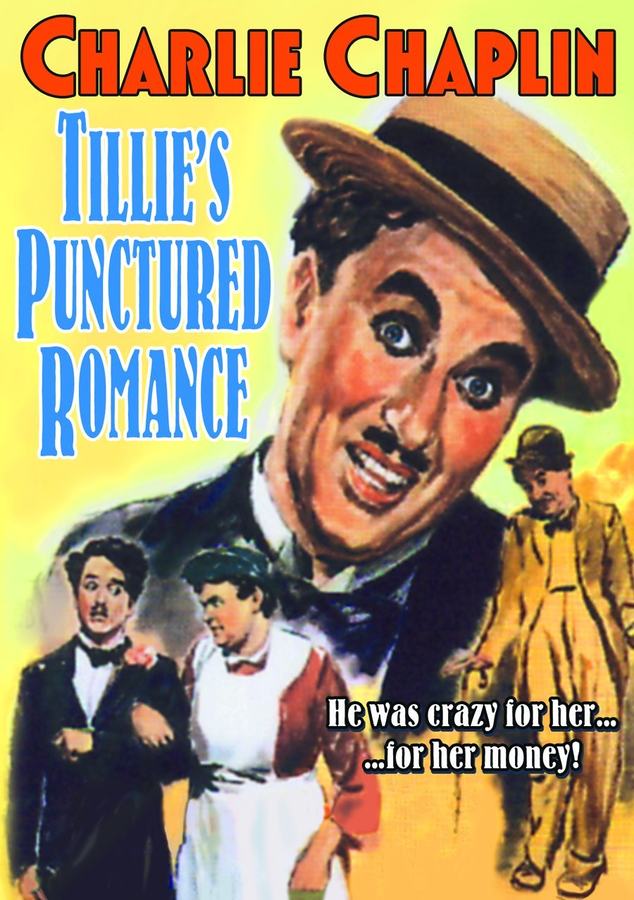
When placed alongside other Sennett productions, such as Keystone Comedies, Tillie's Punctured Romance stands out for its ambitious length and its integration of a coherent storyline with the anarchic energy of short reels. It also shares thematic DNA with The Love Tyrant, another early 1910s romp where deception and romance collide in a whirlwind of slap‑stick.
While modern audiences may find the pacing leisurely compared to contemporary comedies, the film’s influence is undeniable. It paved the way for feature‑length comedies, proving that audiences would sit through an extended narrative of jokes without fatigue. Moreover, it cemented the careers of its principal cast; Dressler would later become the first winner of the Academy Award for Best Actress, and Chaplin’s cameo is a treasured footnote for scholars tracing his evolution.
Fortunately, the film survives in several archives, allowing historians to examine its frame‑by‑frame construction. Restorations have emphasized the original tinting—a faint sepia wash that adds a nostalgic hue to the otherwise stark black‑and‑white image.
In an era saturated with CGI‑laden spectacles, Tillie's Punctured Romance offers a refreshing reminder that comedy can thrive on pure physicality and timing. Its themes—urban exploitation, the vulnerability of innocence, and the triumph of comedic justice—remain resonant. Moreover, the film serves as a pedagogical tool for students of film history, illustrating the early mechanics of narrative structure, ensemble performance, and the economics of early Hollywood production.
For the connoisseur of silent cinema, this film is a must‑watch. It is a masterclass in orchestrated chaos, a testament to the ingenuity of Mack Sennett’s production machine, and a delightful showcase of talent that would shape the next decade of film. Its enduring charm lies in the fact that, despite the passage of more than a century, the laughter it provokes feels as fresh as the day the first reel was spliced.
Read more about early silent comedies on our Keystone Comedies page, or explore the evolution of romantic deception in cinema with The Love Tyrant.
IMDb —
1923
Community
Log in to comment.