DbcultAccessing Vault...
2.8/10
Senior Film Conservator
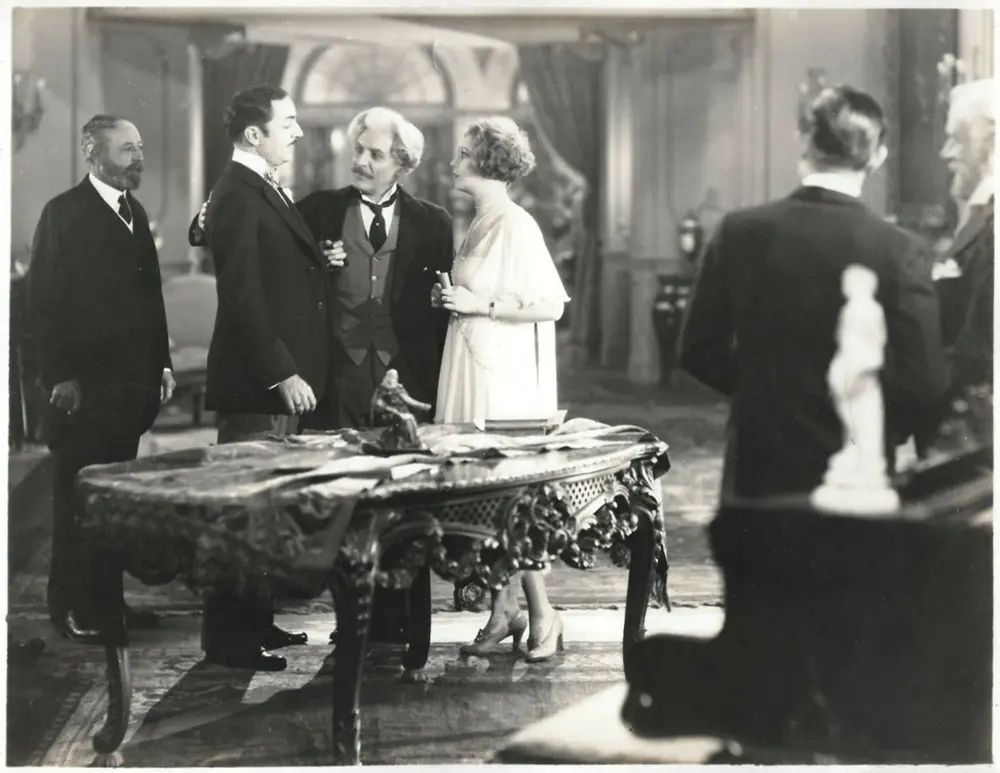
A definitive 2.8/10 rating for a film that redefined the boundaries of cult cinema. Time to Love remains a cornerstone of transgressive art.
Is Time to Love a forgotten masterpiece of the silent era? Short answer: No, but it is a fascinating artifact of William Powell’s pre-stardom versatility that balances dark comedy with high-stakes melodrama. This film is for silent cinema enthusiasts and those who enjoy the 'suave but desperate' archetype; it is not for viewers who require modern pacing or logical consistency in their romantic stakes.
1) This film works because it leverages William Powell’s innate dignity against an inherently ridiculous premise, creating a character that is both pathetic and heroic. 2) This film fails because the antagonist, Prince Alado, lacks the depth to make the final duel feel like anything more than a narrative obligation. 3) You should watch it if you want to see how silent cinema transitioned from stagey melodrama to the more fluid, kinetic storytelling of the late 1920s.
The film opens with a sequence that would be considered incredibly dark by today's romantic comedy standards. Alfred Sava-Goiu, portrayed with a surprising amount of gravitas by William Powell, decides that a world without his sweetheart is a world not worth inhabiting. He chooses the Seine as his final destination. This setup echoes the thematic weight found in other films of the period like The Mysteries of Souls, where the internal psychological state of the protagonist drives the external action.
However, the film quickly sheds its gloom. The moment Alfred hits the boat instead of the water, the tone shifts from tragedy to farce. It is a jarring transition, but one that Powell handles with a deftness that foreshadows his later work in The Unguarded Hour. He manages to look both surprised and slightly embarrassed by his own survival. This is where the film finds its heart: in the awkward space between wanting to die and finding a reason to live.
The Countess Elvire, played by Helen Giere, is more than just a plot device. She represents the high-society world that Alfred is suddenly thrust into. Their chemistry is built on the absurdity of their meeting. Imagine jumping off a bridge to end your life and landing in the lap of your future wife. It works. But it’s flawed. The logic is thin, yet the emotional resonance is surprisingly thick.
Most audiences know William Powell as the martini-sipping Nick Charles. In 1927, he was still refining that persona. In Time to Love, we see glimpses of the sophisticated wit, but it’s buried under a layer of silent-era physical comedy. The scene where he first tries to explain his presence on the boat without sounding like a madman is a masterclass in facial acting. He uses his eyes to convey a mix of terror and instant infatuation.
Compare this to his performance in Broadway Rose, and you see a man who is rapidly learning how to dominate the frame. He doesn't need dialogue to tell us he’s in over his head. His movements are precise, almost balletic, especially during the rescue sequence at the waterfall. This physical commitment is something often lost in the discussion of Powell’s later, more verbal career.
The supporting cast, including Vera Voronina and Josef Swickard, provide a solid foundation, but this is undeniably Powell’s show. Even when the script by Alfred Savoir and Pierre Collings leans too heavily into melodrama, Powell pulls it back toward human interest. He makes Alfred Sava-Goiu a man we want to root for, even if his initial decision-making process was, to put it mildly, questionable.
Is Time to Love worth watching today? Yes, if you are a fan of 1920s romantic comedies that aren't afraid to start with a dark premise. It offers a unique look at William Powell before he became a household name. The film provides enough visual flair and historical value to justify the runtime for any serious cinephile. It captures a specific moment in Hollywood history where the boundaries between genres were still being negotiated.
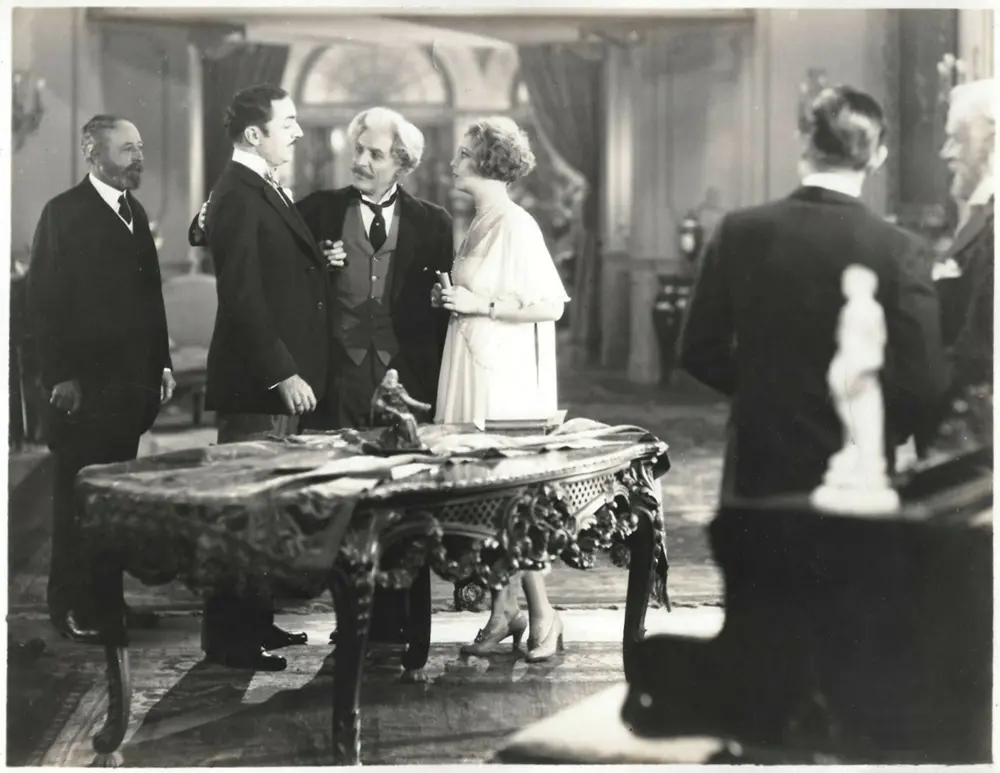
For those who have seen The Red Circle or The Hope Chest, the pacing here will feel familiar. It’s a slow burn that leads to a frantic climax. If you can appreciate the technical limitations of 1927, you will find a story that is surprisingly modern in its cynicism toward aristocratic traditions, specifically the duel at the end.
Water is a recurring motif in Time to Love. It begins at the Seine and reaches its peak at the waterfall. The director uses water to symbolize both the end of life and the baptism into a new one. When Alfred saves the Countess from the waterfall, it is a literal reversal of his first act. He went from wanting to drown to preventing someone else from drowning. This visual symmetry is one of the film's strongest directorial choices.
The cinematography during the waterfall rescue is impressively staged for 1927. While it may look primitive compared to modern CGI, the practical nature of the shoot gives it a sense of danger that is often missing from contemporary action. It reminds me of the kinetic energy in Autour de la roue. There is a raw, unpolished beauty to these early stunts that modern film can't quite replicate.
The duel between Alfred and Prince Alado is another visual highlight. It is shot with a starkness that contrasts with the lush, romantic boat scenes. The Prince, played with a cold arrogance, represents the old world—the world of honor and rigid social structures. Alfred represents the new world—the world of passion and individual agency. The duel isn't just about a woman; it's about which version of reality will survive into the 1930s.
Pros:
Cons:
Time to Love is a fascinating, if slightly uneven, piece of cinematic history. It isn't a masterpiece, but it doesn't need to be. It serves as a bridge between the heavy melodrama of the early 1920s and the sophisticated screwball comedies that would define the 1930s. Powell is the anchor here, providing a performance that is both grounded and whimsical.
While the plot relies on coincidences that would make a modern screenwriter blush, the emotional core remains intact. It’s a film about second chances and the ridiculous ways we find them. If you can look past the flickering film stock and the lack of sound, you’ll find a story that still has a pulse. It’s charming. It’s weird. It’s a time capsule worth opening. Powell was a better silent actor than many give him credit for; his facial stillness often conveyed more than his later rapid-fire dialogue ever could.
"A man who jumps into the Seine for love and ends up in a duel for it is a man who truly understands the absurdity of the human heart."
IMDb —
1934
Community
Log in to comment.