DbcultAccessing Vault...
7.4/10
Senior Film Conservator
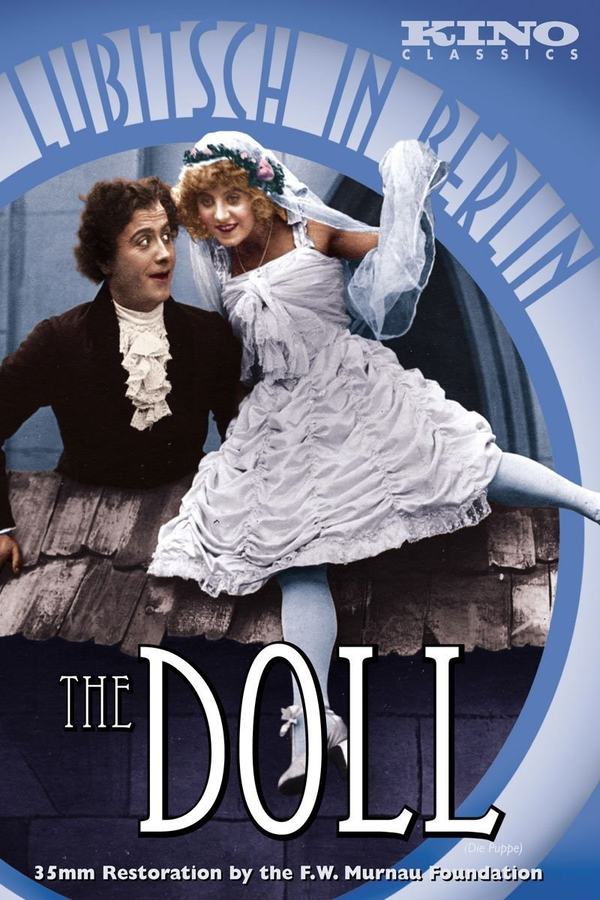
A definitive 7.4/10 rating for a film that redefined the boundaries of cult cinema. The Doll remains a cornerstone of transgressive art.
Emerging from the twilight of German Expressionism and the dawn of Lubitsch’s fabled “touch,” *The Doll* (1919) presents not merely a comic scenario but a subversive clockwork ballet. Ernst Lubitsch, simultaneously directing and inhabiting the role of the toymaker Hilarius, crafts a world steeped in artifice, where societal pressures manifest as literal contrivance. The film’s visual language, a departure from the stark shadows of contemporaries like *Der Prozeß Hauers*, embraces a luminous, almost fairytale-like whimsy. This deliberate aesthetic choice – sunlit workshops, manicured gardens, absurdly ornate costumes – forms the perfect counterpoint to its biting critique of transactional relationships and patriarchal control.
The narrative engine is pure, combustible farce, yet fueled by psychological plausibility. Lancelot (Ossi Oswalda, a revelation beneath the porcelain facade), the automaton, is no mere plot device; she is the ultimate commodified woman, created explicitly for the purpose of marriage without the messy complications of sentience. Her acquisition by the desperate Baron Chanterelle (Hermann Thimig) – a man whose aversion to matrimony borders on the pathological – represents the logical, absurd endpoint of viewing women as vessels for inheritance or social climbing, a theme explored with more melodramatic angst in *The Honor of Mary Blake*. Chanterelle’s uncle (Jakob Tiedtke), a pompous symbol of bourgeois expectation, wields financial coercion like a cudgel, demanding conformity to societal norms that benefit his lineage. His counterpart, the avaricious monastery abbot forcing nuns into makeshift assembly lines for dolls, underscores the pervasive commodification driven by male institutions.
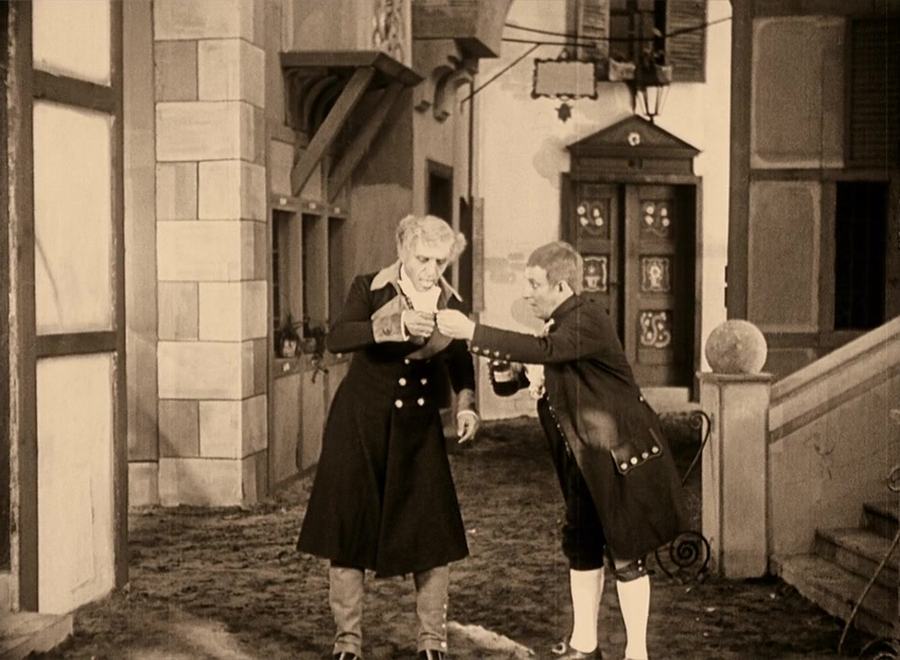
Lubitsch’s genius lies in the meticulous orchestration of the mechanical breakdown. The doll’s malfunction is not a single catastrophic failure but a cascading series of delightful, increasingly improbable hiccups. Watch closely as Oswalda navigates the treacherous slope between rigid automaton and bewildered woman forced into the role. Her initial movements are jerky, unnervingly precise angles, eyes vacant. But the malfunction introduces glorious chaos: a subtle flicker of confusion in those glassy eyes, a leg kicking out with unscripted vigor, a stumble that transforms into an awkward, human stagger. The scene where she must descend stairs, a task requiring complex coordination utterly beyond her programming, is a masterclass in physical comedy and suspense, surpassing the simpler slapstick of contemporaneous films like *Chumps and Cops* in its intricate choreography of failure.
Crucially, the doll’s “awakening” is paralleled by the emotional thawing of the nephew’s appointed guardian, Hilarius’s apprentice (Victor Janson). Initially tasked with ensuring the automaton’s flawless performance, he finds himself increasingly entangled, his protective instincts and burgeoning affection for the “creature” clashing hilariously with his duty. Janson’s expressive face, registering escalating panic and dawning tenderness, provides the emotional anchor amidst the absurdity. His transformation – from detached operator to flustered, would-be suitor – mirrors the film’s central thesis: genuine feeling inevitably disrupts the cold efficiency of engineered solutions. This dynamic, the human drawn to the seemingly artificial who reveals unexpected vitality, offers a fascinating counterpoint to the more straightforward heroic rescues in films like *The Avenging Trail*.
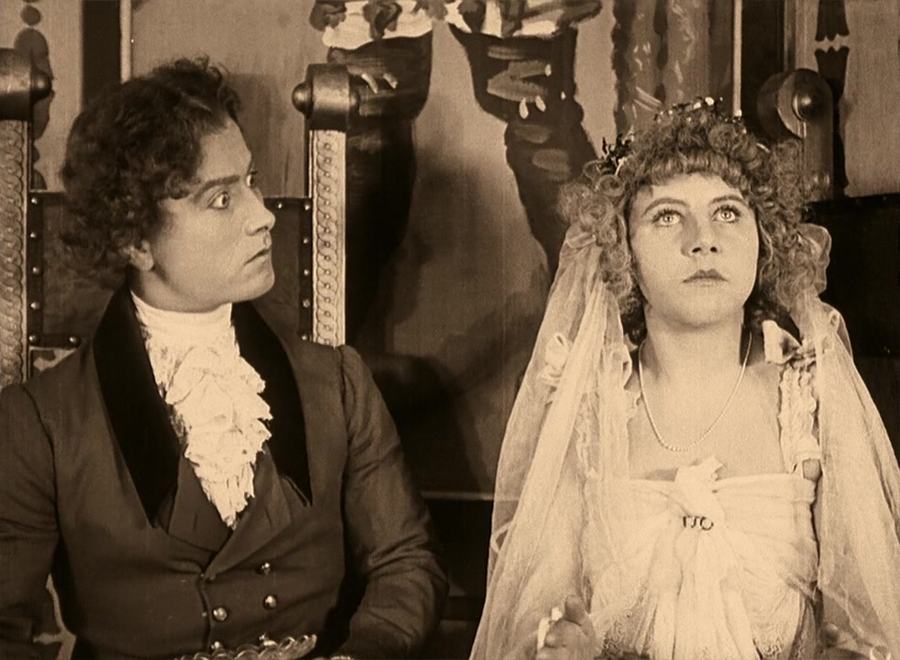
The film’s satire operates on multiple, interlocking gears. Hilarius’s workshop is a darkly comedic vision of industrialized creation. The nuns, coerced into doll production by their avaricious abbot, represent the exploitation inherent in systems demanding unquestioning conformity, a more whimsical, yet no less pointed, critique than the social injustice depicted in *The Law of the North*. The very existence of a marriageable automaton satirizes the societal expectation placed upon women to be decorative, compliant, and emotionally manageable objects. Lancelot’s “imperfections” – her inconvenient humanity breaking through – are precisely what make her desirable to the apprentice, exposing the hollowness of the ideal she was built to embody. Lubitsch slyly suggests that the qualities society *claims* to value in a bride (obedience, silence, predictability) are, in reality, monstrous when fully realized. True connection requires the messy, unpredictable spark of life.
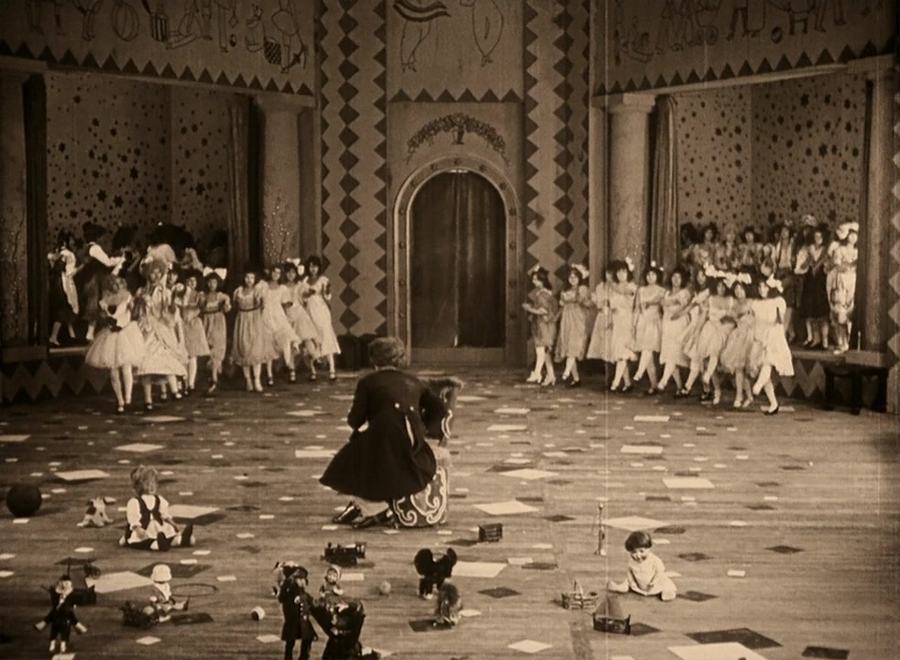
The film’s visual wit is relentless and sophisticated. Note the recurring motif of winding keys – not just on the doll, but implicitly on the characters driven by societal mechanisms. The composition often frames characters within doorways, windows, or intricate machinery, visually trapping them within their prescribed roles. Lubitsch employs clever match cuts and juxtapositions: the uncle’s scheming face dissolves to the whirring gears inside the doll; the frantic assembly line of nuns contrasts sharply with the single, “perfect” product being prepared for her artificial matrimony. This attention to visual storytelling elevates *The Doll* beyond mere farce into the realm of cinematic poetry. It avoids the overt sentimentality of films like *Lovely Mary*, finding its emotional resonance in the absurdity of the situation and the subtle shifts in character.
Ossi Oswalda’s performance is a monumental achievement in silent acting. The precision required to switch between the doll’s stiff, programmed movements and the flickers of emergent consciousness is astounding. Her wide, initially vacant eyes gradually acquire depth and expression. A slight tremor of the lip, an almost imperceptible tilt of the head conveying confusion or fear – these micro-gestures build the illusion of a soul trapped within the mechanism, fighting its way to the surface. She avoids the broad pantomime common in the era, opting instead for an unsettling, controlled physicality that makes the moments of breakdown genuinely surprising and hilarious. It’s a performance that resonates far more subtly than the energetic antics in *The Mischief Maker*.
The supporting cast orbits Oswalda’s central performance with impeccable timing. Hermann Thimig embodies the quintessential Lubitsch protagonist – charmingly feckless, driven by self-preservation yet fundamentally good-natured. His escalating panic as the rickety deception threatens to collapse is a delight. Jacob Tiedtke as the domineering uncle is a masterclass in pompous bluster. Ernst Lubitsch himself, as Hilarius, brings a mischievous, almost impish energy to the toymaker, a man more interested in the challenge of creation and the financial gain than any moral implications. His bemusement at the chaos his creation unleashes adds another layer of meta-commentary. The ensemble’s chemistry avoids the frantic energy of *The Habit of Happiness*, favoring a more measured, character-driven humor.
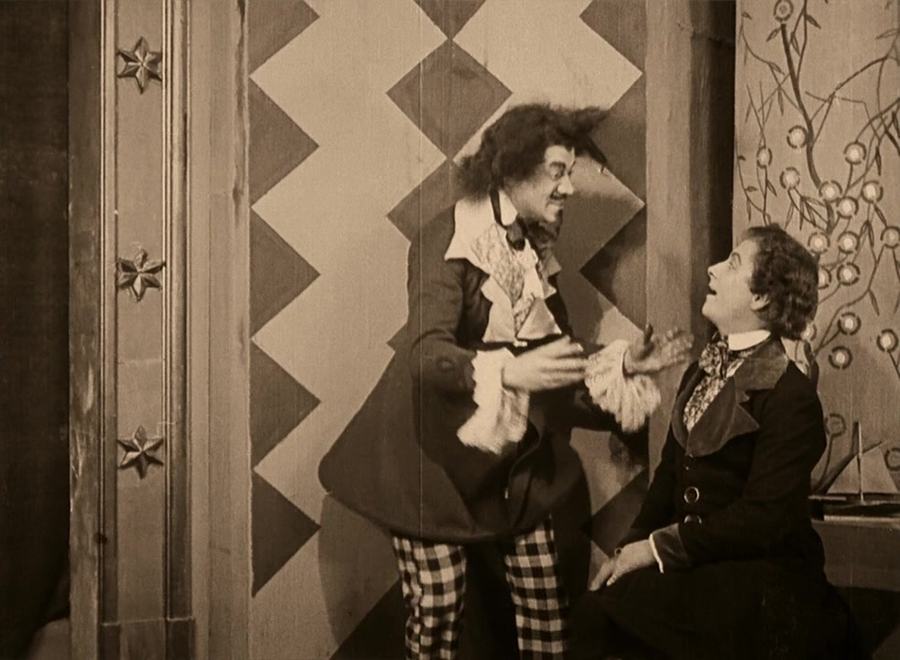
Beneath the clockwork precision of the comedy lies a surprisingly resonant meditation on authenticity. The doll, designed to be the perfect, artificial bride, becomes more genuinely “human” through her flaws and malfunctions than the rigid societal expectations she was built to fulfill. Her forced journey mirrors the apprentice’s awakening – both are liberated by imperfection. The film posits that true connection, whether romantic or simply human understanding, requires vulnerability, unpredictability, and the courage to malfunction spectacularly. It’s a gentle rebuke to the pursuit of sterile perfection, a celebration of the beautiful chaos inherent in being alive. This thematic depth distinguishes it significantly from lighter marital farces like *The Mail Order Wife*, grounding its humor in genuine insight.
The film’s technical achievements are noteworthy, particularly in its miniatures and special effects. The intricate workings of the doll are suggested through clever editing and mechanical props, avoiding the need for overtly fantastical elements that might undermine the satirical realism. The set design of Hilarius’s workshop, brimming with whimsical creations and complex machinery, creates a tangible, lived-in world that feels both fantastical and plausible. The cinematography by Theodor Sparkuhl utilizes natural light effectively, bathing the scenes in a soft glow that contrasts with the sometimes darkly comic subject matter, unlike the harsher realities depicted in *Vendetta*.
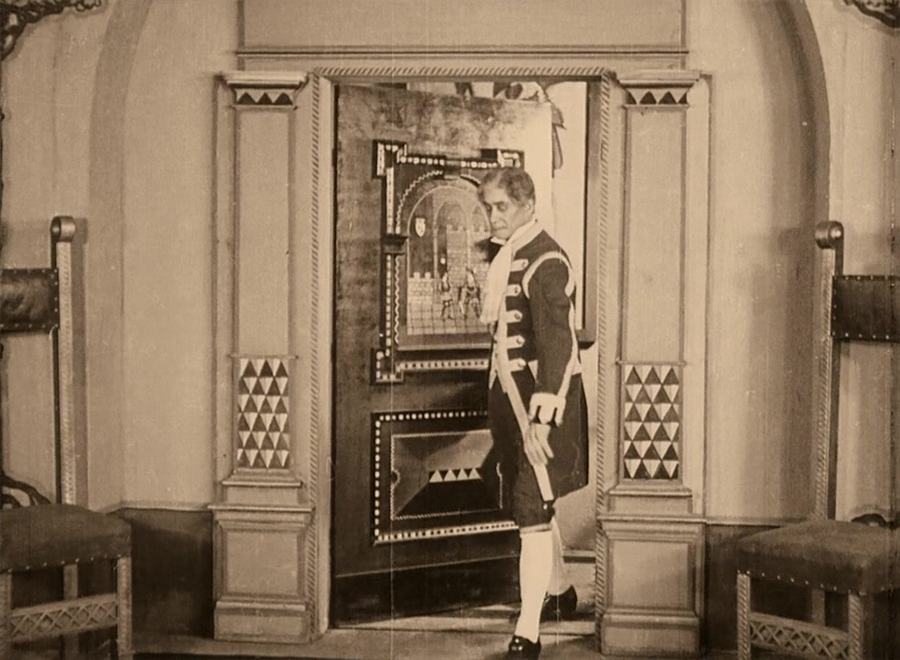
*The Doll* stands as a pivotal work in Lubitsch’s evolution. It crystallizes the signature elements he would later refine in Hollywood – the sophisticated sexual innuendo (here nascent, conveyed through suggestive mechanics and glances), the sharp critique of social hypocrisy wrapped in velvet comedy, the masterful use of space and object to convey character and theme. While lacking the polish of his later masterpieces, it possesses an anarchic energy and a unique visual imagination born of its Weimar context. It demonstrates a filmmaker rapidly mastering his craft, learning to weave complex social commentary into effortlessly entertaining narratives, a trajectory distinct from the more straightforward action of *Go West, Young Man*.
Its enduring power lies in its timelessness. The societal pressures surrounding marriage, the commodification of relationships, the fear of genuine emotional entanglement – these are not relics of 1919. *The Doll* holds up a funhouse mirror to these anxieties, reflecting them back with dazzling wit and profound insight. It reminds us that the quest for control, whether over inheritance or over a partner, is often a path to absurdity, and that true connection flourishes in the spaces where our carefully constructed mechanisms break down. It’s a silent film that speaks volumes, a mechanical marvel that pulses with unmistakable, gloriously imperfect life.

IMDb 6.4
1936
Community
Log in to comment.