DbcultAccessing Vault...
Cult Review
Senior Film Conservator
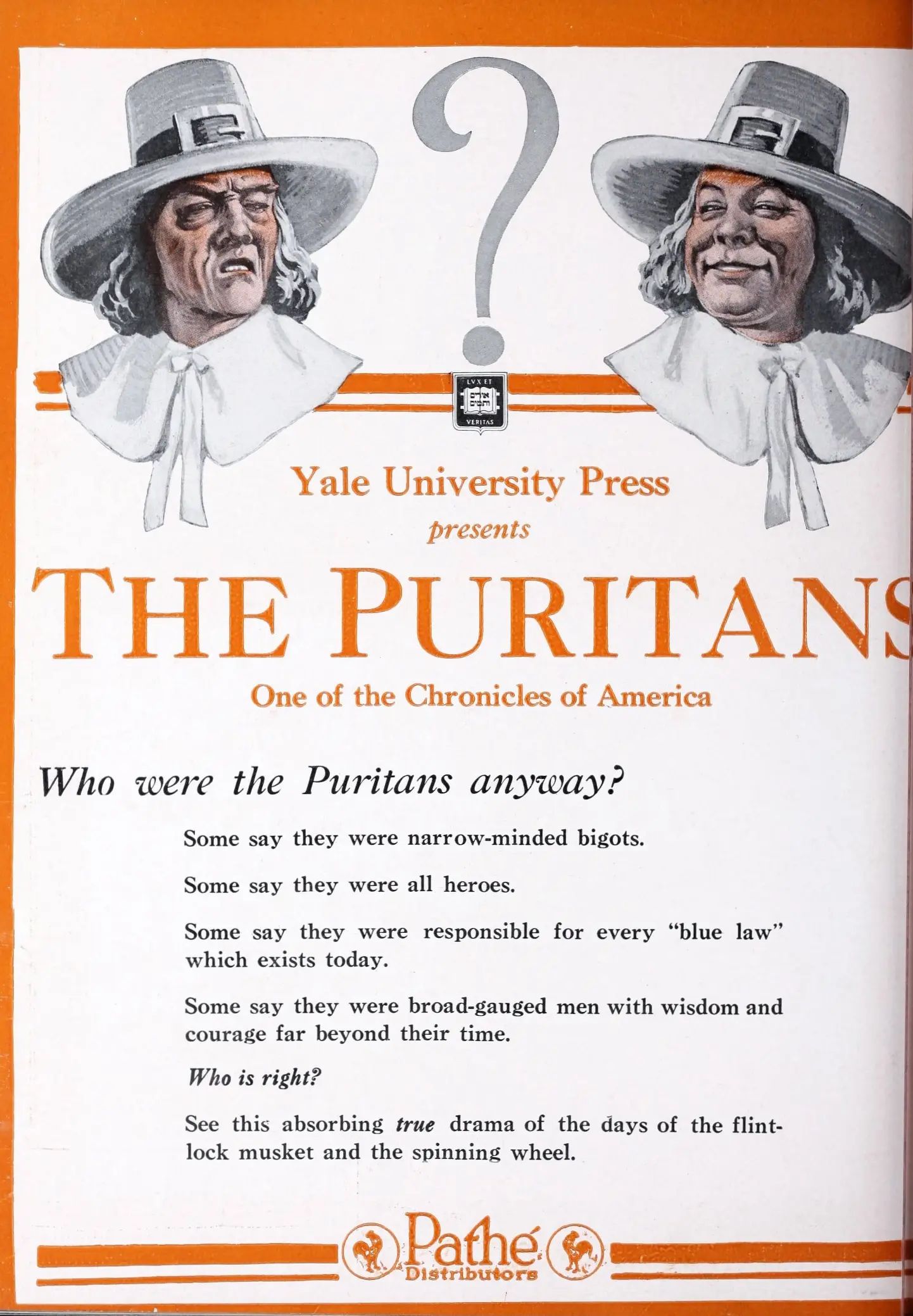
In the pantheon of historical cinema, few works attempt to grapple with the dense, legalistic underpinnings of colonial foundation with as much intellectual fervor as The Puritans. This is not a film concerned with the swashbuckling tropes often associated with early Americana; rather, it is a somber, meticulously paced examination of the 1630 Charter and the existential friction between a nascent colony and the overreaching arm of the English Crown. To watch this film is to step into a world where every word of a legal document carries the weight of eternal salvation or worldly ruin.
The screenplay, penned by the husband-and-wife team of Evangeline W. Andrews and Charles McLean Andrews, betrays their background as serious historians. There is a palpable sense of archival weight behind every dialogue exchange. Unlike the more whimsical narratives found in The Spitfire, this film demands a high degree of concentration from its audience, rewarding them with a profound understanding of the stakes involved in the Great Migration. The Andrews don't just depict history; they interrogate the motivations of men who believed that their political autonomy was divinely mandated.
At the heart of this ideological storm is a cast that manages to breathe life into figures who could easily have felt like static portraits. Osgood Perkins delivers a performance of remarkable intensity, capturing the internal conflict of a man caught between his loyalty to his heritage and his devotion to a new, radical vision of society. Perkins possesses a facial vocabulary that conveys the anxieties of the 17th-century mind—a mind preoccupied with the specter of heresy and the very real threat of royal retribution. His presence on screen is a far cry from the more melodramatic flourishes seen in The White Sister; here, the emotion is repressed, bubbling beneath a surface of Puritanical stoicism.
Arthur Hohl and Audrey Hart provide excellent support, grounding the high-minded political debates in a sense of lived reality. Hart, in particular, manages to navigate the limited agency afforded to women in this historical context, suggesting a quiet strength that mirrors the resilience of the colony itself. The ensemble works in harmony to illustrate a community that is not a monolith, but a collection of individuals bound together by a shared, albeit perilous, purpose. This collective struggle for identity is reminiscent of the themes explored in The Heart of Youth, though the tone here is significantly more austere.
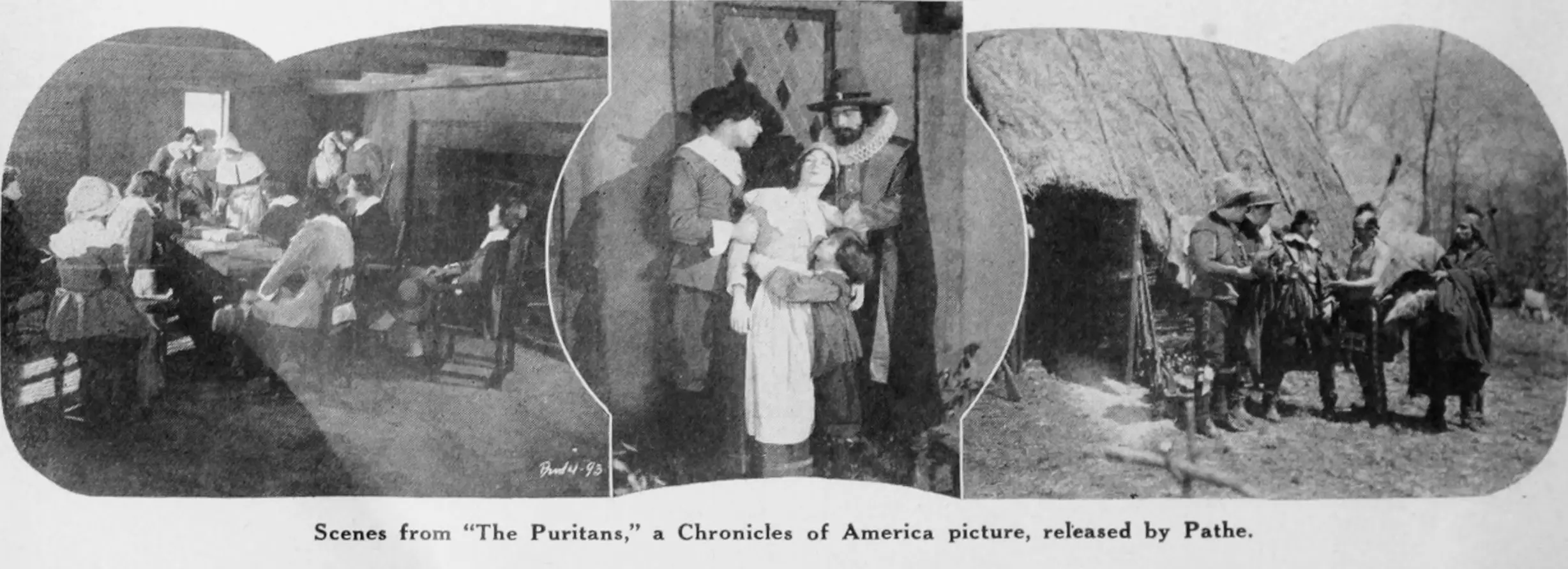
Visually, the film utilizes the stark contrasts of its setting to emphasize the isolation of the Massachusetts Bay. The cinematography captures the looming presence of the wilderness, which serves as a constant reminder of the fragility of the settlers' endeavor. The use of light and shadow often mirrors the moral dichotomies inherent in the Puritan worldview. We see the interior spaces—cramped, dimly lit, and utilitarian—contrasted with the vast, untamed exterior, symbolizing the tension between the strict order of their laws and the chaotic freedom they seek to harness. This visual storytelling is far more sophisticated than the straightforward compositions found in The High Horse.
The central conflict—the struggle to retain the English Charter—is handled with a surprising amount of tension. One might think that a plot revolving around a piece of parchment would lack cinematic momentum, but the film treats the document as a holy relic. It is the physical manifestation of their right to exist outside the direct supervision of the Church of England. When the Crown’s opposition intensifies, the Charter becomes a symbol of resistance. The film masterfully illustrates how the legal nuances of the 17th century were, in fact, the front lines of a revolution that would take another century to fully manifest. This isn't just a story about the past; it's an exploration of the roots of the American psyche.
When compared to other contemporary historical dramas like La gitana blanca, The Puritans stands out for its refusal to indulge in exoticism or easy sentimentality. It is a film of ideas. Where Up or Down? might focus on the immediate moral choices of its characters, this film looks at the systemic and institutional pressures that shape those choices. The conflict isn't just between good and evil, but between two differing interpretations of law and divine right. This level of nuance is rare, even in modern historical epics.
Even the pacing, which some might find deliberate to a fault, serves a narrative purpose. It mimics the slow, grinding process of building a civilization from nothing. The scenes of debate and deliberation are given ample room to breathe, allowing the audience to feel the weight of the decisions being made. This is a far cry from the frantic energy of The Night Hawk or the pulp thrills of Die Jagd nach dem Tode. The film asks for your patience and repays it with a profound sense of historical immersion.
The contribution of Charles McLean Andrews, a Pulitzer Prize-winning historian, cannot be overstated. His influence ensures that the film avoids the pitfalls of anachronism. The dialogue reflects the rhetorical styles of the period, rich with biblical allusion and legal terminology. This commitment to authenticity provides a texture that is often missing from more commercial ventures. It reminds one of the thematic gravity found in Pieces of Silver: A Story of Hearts and Souls, where the spiritual and the material are inextricably linked.
Furthermore, the film’s treatment of the Church of England and the Crown is surprisingly balanced. While they are the antagonists, their motivations are presented within the logic of the time. They are not cartoonish villains but representatives of an old order that views the Puritans' separatist tendencies as a threat to the very fabric of English society. This creates a genuine sense of tragedy; both sides are acting out of a deep-seated belief in the correctness of their cause. This complexity is what elevates the film above mere propaganda.
In the broader context of early 20th-century cinema, The Puritans remains a singular achievement. It demonstrates that the medium is capable of handling complex historical arguments without sacrificing narrative engagement. While it may lack the overt romanticism of Marooned Hearts or the suspense of The Eleventh Hour, it possesses a quiet power that lingers long after the final frame. It is a film that demands to be studied as much as it is watched.
The legacy of the 1630 Charter is still felt today, and this film provides a vital window into the moment that legacy was forged. By focusing on the struggle for religious freedom over the opposition of the Crown, the film highlights a pivotal chapter in the global history of civil liberties. It is a testament to the power of film to educate and provoke thought, standing alongside works like Byl první máj in its dedication to capturing the spirit of a specific time and place. For those interested in the intersection of law, faith, and history, The Puritans is an essential viewing experience, a masterclass in historical storytelling that remains as relevant now as it was upon its release.
Ultimately, the film succeeds because it treats its subjects with respect. It doesn't look down on the Puritans for their rigidity, nor does it simplify their struggle. It presents them as they were: flawed, determined, and deeply committed to a vision of a new world. In doing so, it captures the very essence of the human condition—the eternal search for a place where one can live according to the dictates of one's own conscience, no matter the cost.
IMDb —
1936
Community
Log in to comment.