DbcultAccessing Vault...
2/10
Senior Film Conservator
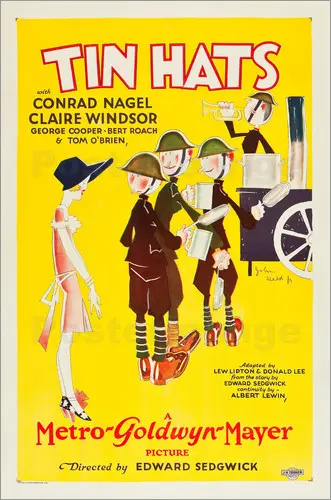
A definitive 2/10 rating for a film that redefined the boundaries of cult cinema. Tin Hats remains a cornerstone of transgressive art.
Is Tin Hats worth watching today? Short answer: yes, but with significant caveats that demand a specific palate. This silent-era relic is an intriguing historical document and a testament to early comedic ingenuity, primarily for those with a deep appreciation for the genre's formative years and a high tolerance for its often simplistic storytelling.
It’s a film best suited for the dedicated silent film enthusiast, the film historian, or anyone genuinely curious about how post-WWI sentiment was reflected in popular entertainment. Conversely, casual viewers accustomed to modern narrative conventions and rapid-fire humor will likely find its pacing deliberate and its comedic sensibilities occasionally baffling, perhaps even a little frustrating.
Released in 1926, Tin Hats emerges from an era grappling with the echoes of the Great War, yet choosing to find its humor in the aftermath rather than the conflict itself. Directed by Edward Sedgwick, and starring Conrad Nagel and Claire Windsor, this film attempts a delicate balance: a lighthearted romp that acknowledges the war's conclusion without dwelling on its horrors. It’s a fascinating artifact, brimming with the kind of earnest, physical comedy that defined the silent era, interwoven with a surprisingly sophisticated romantic intrigue that hints at changing gender dynamics.
But does its ambition translate into enduring entertainment? That's a trickier question. While it possesses moments of genuine charm and impressive visual gags, its narrative often meanders, a common pitfall for films of its time. Yet, within its flaws lies a particular kind of allure, a window into a bygone cinematic language that prioritizes spectacle and broad strokes over nuanced character development.
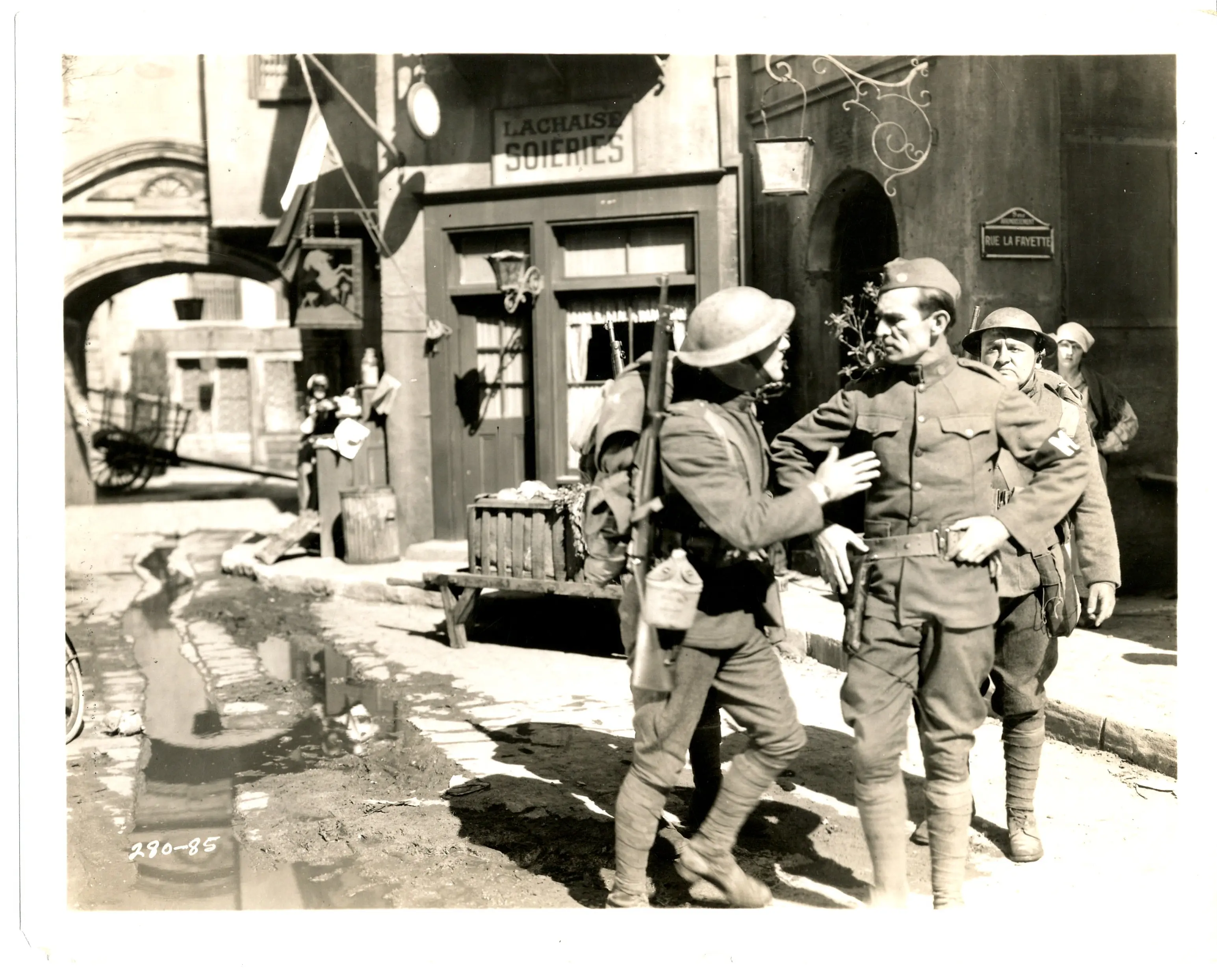
This film works because of its surprisingly ambitious set pieces and the palpable charisma of its lead actors, particularly Conrad Nagel.
This film fails because its pacing often sags, and its humor, while occasionally brilliant, frequently relies on dated tropes that don't always translate to a modern audience.
You should watch it if you are a film historian, a silent film enthusiast, or someone curious about how post-WWI sentiment was reflected in popular entertainment.
The premise of Tin Hats is delightfully absurd: three American soldiers, just after the Armistice, get sidetracked from their regiment. Their quest for souvenirs leads them into a German village where they are mistakenly hailed as the new “overlords.” It’s a setup ripe for comedic misunderstanding, playing on the immediate post-war anxieties and the absurdities of occupation, albeit a highly sanitized, romanticized version that sidesteps any genuine political tension.
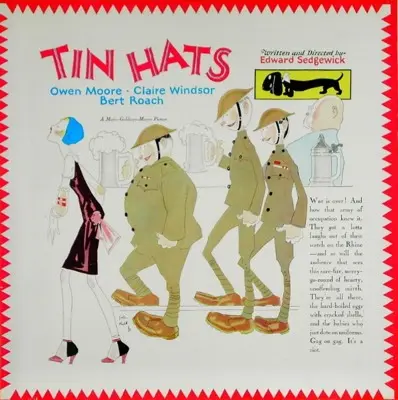
The initial scenes of the trio cycling into the Rhenish village, their uniforms a stark contrast to the welcoming, yet wary, locals, immediately establish the film's tone. It’s a subtle jab at the often-arbitrary nature of military presence, softened by the inherent innocence of the soldiers' intentions. They aren't conquerors; they're just three guys looking for their company and, perhaps, a good time, completely oblivious to the diplomatic faux pas they’re creating.
This early sequence, though brief, sets the stage for the film's unique brand of humor. It’s not a biting satire, but rather a gentle lampooning of circumstances, a kind of cultural cross-pollination that results in unexpected romance and slapstick. The idea that three errant soldiers could be mistaken for an occupying force speaks volumes about the perceived power dynamics of the time, and the film milks this confusion for all its worth, albeit gently, culminating in the villagers’ eager attempts to appease their new, bewildered “masters.”
The film’s decision to portray the Germans as largely amiable and easily swayed, rather than resentful or hostile, is a telling reflection of the era’s desire for reconciliation and a lighter narrative post-conflict. It aims for laughs, not lectures, creating a comedic fantasy where even occupation can lead to love.
The strength of Tin Hats largely rests on the shoulders of its principal actors, particularly Conrad Nagel as Jack Benson. Nagel, a prominent leading man of the era, brings a compelling blend of boyish charm and earnest romanticism to his role. His expressions, often exaggerated for the silent screen but never quite veering into pure caricature, convey a genuine sense of chivalry and playful mischief, making his character instantly likable and relatable despite his somewhat dim-w
IMDb —
1930
Community
Log in to comment.