DbcultAccessing Vault...
Cult Review
Senior Film Conservator
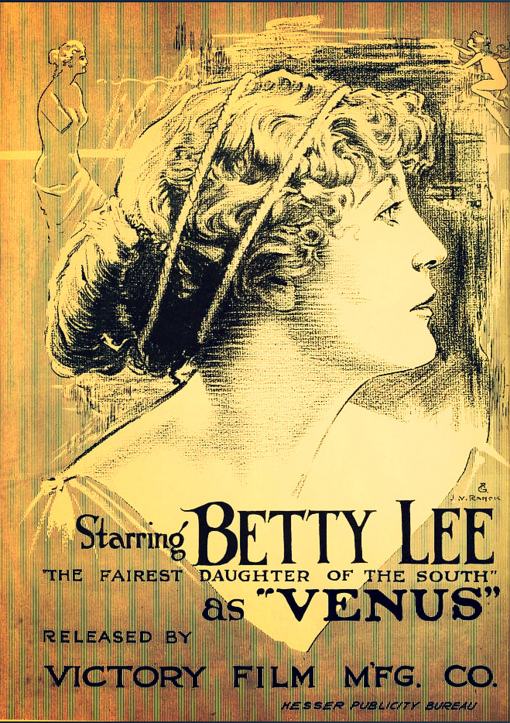
In the nascent years of the silver screen, the translation of classical mythology into a visual medium was less about narrative fidelity and more about the capture of a particular, diaphanous atmosphere. Edwin Bower Hesser’s The Triumph of Venus (1918) stands as a monumental, if occasionally overlooked, pillar of this era. Unlike the grit found in Straight Shooting, Hesser opts for a lush, pictorialist aesthetic that transforms the screen into a living gallery of Pre-Raphaelite sensibilities. The film is not merely a retelling of Homeric or Ovidian tropes; it is a visceral exploration of the chasm between the immortal and the mundane.
The casting of Bonnie Marie as Venus provides the film with its gravitational center. Marie possesses a luminous quality that transcends the static limitations of early cinematography. Her Venus is not a distant, marble icon but a vibrant, pulsating entity whose rejection of Jove (played with a thundering, petulant entitlement by Percy Standing) feels like a radical act of feminine sovereignty. This initial conflict sets the stage for a narrative that, while ostensibly about the 'triumph' of love, is deeply concerned with the mechanics of cosmic spite.
The sequence involving Vulcan, the misshapen blacksmith of the gods portrayed with a rugged, earthy pathos by Karl Dane, introduces a jarring contrast to the airy heights of Olympus. The transition from the celestial courts to the subterranean heat of the forge is handled with a sophisticated use of lighting that rivals the expressionist shadows seen in Das Tagebuch des Dr. Hart. The 'magic net' scene—a cornerstone of mythological lore—is executed here with a surprising degree of technical ingenuity. The shimmering, translucent mesh that entangles Venus and Mars (William Sherwood) serves as a metaphor for the social and moral constraints of the 1910s, yet it is framed through a lens of divine comedy.
When the jeering gods assemble to witness the entrapment, Hesser captures a sense of 'theatre within theatre.' The laughter of the immortals feels hollow and cruel, a stark reminder that in the world of The Triumph of Venus, the gods are often more capricious and petty than the mortals they govern. This sequence serves as the film’s tonal pivot, moving from the broad strokes of mythological drama into the more intimate, tragic terrain of the island of Milo.
The second act shifts the locale to the idyllic shores of Milo, where Venus seeks sanctuary. It is here that the film achieves its greatest emotional resonance. The love affair between the goddess and the young sculptor (M. Paul Roche) is depicted with a soft-focus lyricism that evokes the pastoral beauty of The Law of Nature. This segment of the film functions as a meditation on the fleeting nature of human existence when juxtaposed with the eternal. The sculptor’s devotion to his craft and his muse is portrayed as a noble, albeit doomed, endeavor.
The birth of Nea (Phyllis Beveridge) introduces a new layer of vulnerability to the narrative. However, the peace is shattered by the intervention of Diana (Grace Hamel). The scene where the sculptor inadvertently witnesses Diana bathing is a masterpiece of tension and visual storytelling. Hesser utilizes the natural landscape—the dappled light of the forest and the crystalline clarity of the stream—to create a sense of sacred space that has been irrevocably violated. The sculptor’s death is not just a personal tragedy; it is a reaffirmation of the lethal power of the divine gaze, a theme explored with similar intensity in What the Gods Decree.
As the narrative leaps forward in time, we are introduced to the adult Nea, whose beauty rivals that of her mother. Her romance with Pannas, the humble fisherman (Donald MacDonald), brings the film back to the terrestrial realm. The chemistry between Beveridge and MacDonald is palpable, providing a grounded, human element to a story that could otherwise feel lost in the clouds of abstraction. Their love is a simple, honest thing, which makes its disruption by the jealous Diana all the more egregious. The sequence where Nea is imprisoned within a rock is a striking visual metaphor for the paralysis of youth under the thumb of oppressive authority—a recurring motif in Hesser's work, also glimpsed in the character dynamics of Let Katie Do It.
The intervention of Cupid (Betty Lee) provides the necessary catalyst for the film’s climax. The ordeals that the young lovers must undergo are filmed with a sense of epic scale, utilizing wide shots that emphasize the smallness of man against the vastness of the natural and supernatural worlds. Unlike the melodramatic twists of Whose Wife?, the challenges faced by Nea and Pannas feel earned, rooted in the thematic conflict between divine law and human emotion.
Technically, The Triumph of Venus is a marvel of its time. Edwin Bower Hesser, who also handled the writing duties, displays a keen eye for tableau-style composition. Every frame feels meticulously curated, as if the director were attempting to replicate the classical friezes of antiquity. The use of double exposures and primitive special effects to depict the presence of the gods is handled with a delicacy that prevents them from feeling dated. There is a dreamlike quality to the transitions, a fluidity that suggests the permeable boundary between the physical and the metaphysical.
The film’s pacing, while slower than the frantic action of The Return of Draw Egan, allows the viewer to soak in the atmosphere. This is a film meant to be experienced as a sensory journey rather than a mere plot-driven exercise. The costume design, particularly the diaphanous gowns of the goddesses, adds to the sense of otherworldly elegance, contrasting sharply with the rugged, functional attire of the fisherman and the sculptor. This visual dichotomy reinforces the film’s central theme of the disparate worlds of gods and men.
When placed alongside other films of the era, such as East Is East or Lola Montez, The Triumph of Venus stands out for its commitment to a singular, mythological vision. While many contemporary films were grounded in social realism or historical biography, Hesser’s work dares to exist in a purely imaginative space. It shares some DNA with From Broadway to a Throne in its exploration of power and destiny, but it trades political intrigue for ontological wonder.
The film also predates the grand mythological epics of the sound era, yet it possesses a sophistication in its thematic exploration that many later films lacked. The way it handles the concept of 'immortality'—not as a gift, but as a cup to be drained, a weight to be borne—is surprisingly modern. The final scene, where Jove forces Diana to hand the cup of immortality to the lovers, is a masterclass in silent performance. The tension in Diana’s posture, the radiant joy of Venus, and the humble awe of Nea and Pannas create a powerful emotional crescendo that lingers long after the final intertitle.
Ultimately, The Triumph of Venus is a testament to the power of silent cinema to evoke the sublime. It is a film that demands to be seen not just as a historical curiosity, but as a vital piece of artistic expression. The performances, particularly by Bonnie Marie and Phyllis Beveridge, bridge the gap between the theatrical and the cinematic, creating characters that are both archetypal and deeply human. The film’s exploration of jealousy, sacrifice, and the eventual triumph of love remains as relevant today as it was in 1918.
For those familiar with the works of the period, such as The Mysterious Miss Terry or The Captive, The Triumph of Venus offers a refreshing departure into the realm of the fantastic. It is a reminder that even in the earliest days of the medium, filmmakers were pushing the boundaries of what could be shown and felt on screen. Edwin Bower Hesser created a world of light and shadow, of gods and men, that remains one of the most beautiful and haunting visions of antiquity ever committed to film. It is a triumph, indeed—not just for Venus, but for the art of cinema itself.
IMDb —
1916
Community
Log in to comment.