DbcultAccessing Vault...
6.7/10
Senior Film Conservator
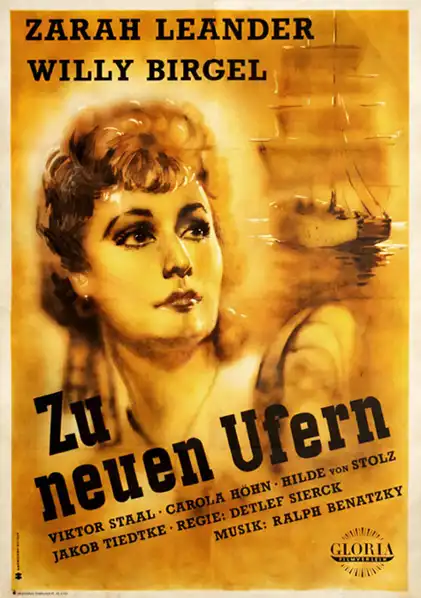
A definitive 6.7/10 rating for a film that redefined the boundaries of cult cinema. To New Shores remains a cornerstone of transgressive art.
If you like your dramas dripping with theatrical longing and women sacrificing their entire lives for guys who don't deserve them, you’ll probably be into To New Shores. But if you’re looking for something that moves fast or keeps its feet on the ground, you might find the whole thing a bit tedious. It’s an old-school weepie that takes its time, so bring a snack or something to do while the slow parts happen.
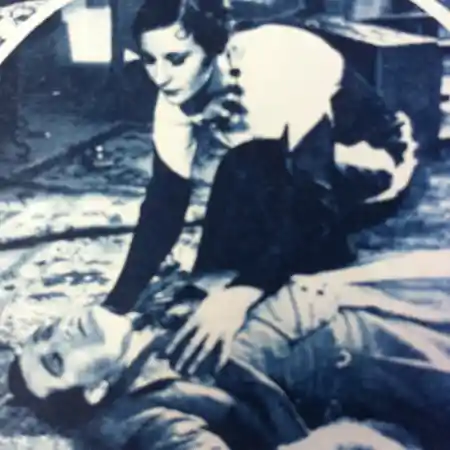
Zarah Leander is the whole show here. She plays Gloria Vane with this kind of intense, moody energy that makes you wonder why she’s wasting her time on Albert Finsbury in the first place. When she’s on screen, the movie feels like it has a pulse. When she’s off, it’s mostly just people talking about debt and social status in stuffy rooms.
The plot centers on a forged check, which feels a little thin, honestly. But the movie doesn’t care about the logistics of 19th-century banking. It cares about Gloria sitting in a prison cell, waiting for a letter that never arrives. The way she looks at that blank space where a reply should be—it’s actually pretty brutal to watch.
I found myself getting distracted by the sheer number of extras in the prison scenes. Some of them look like they’re just waiting for lunch, while others are trying way too hard to look 'penal.' It’s that kind of detail that keeps me watching even when the script gets a bit predictable.
It’s a far cry from the lighthearted chaos of The Girl with the Hat Box. There’s a heaviness here that never really lifts. You can tell Douglas Sirk was behind the camera because even the most mundane shots of the Australian landscape feel staged to emphasize just how trapped Gloria really is. She’s stuck in a place that looks like a cage, even when she’s standing outside.
The scene where she finds out Finsbury is getting hitched to the Governor’s daughter? It’s not subtle. The music swells, the camera holds on her face, and it goes on just a few seconds longer than you’d expect. It’s almost awkward, but it works because Leander sells the heartbreak without even having to cry.
It’s not perfect. Sometimes the dialogue feels like it’s being read off a cue card in the rafters. But then you get a look from Leander, or a weird, moody bit of lighting, and you’re back in it. It’s not going to change your life, but it’s a solid watch if you’re in the mood for something a bit melancholy and very, very dramatic. 🎭
IMDb —
1931
Community
Log in to comment.