DbcultAccessing Vault...
Cult Review
Senior Film Conservator
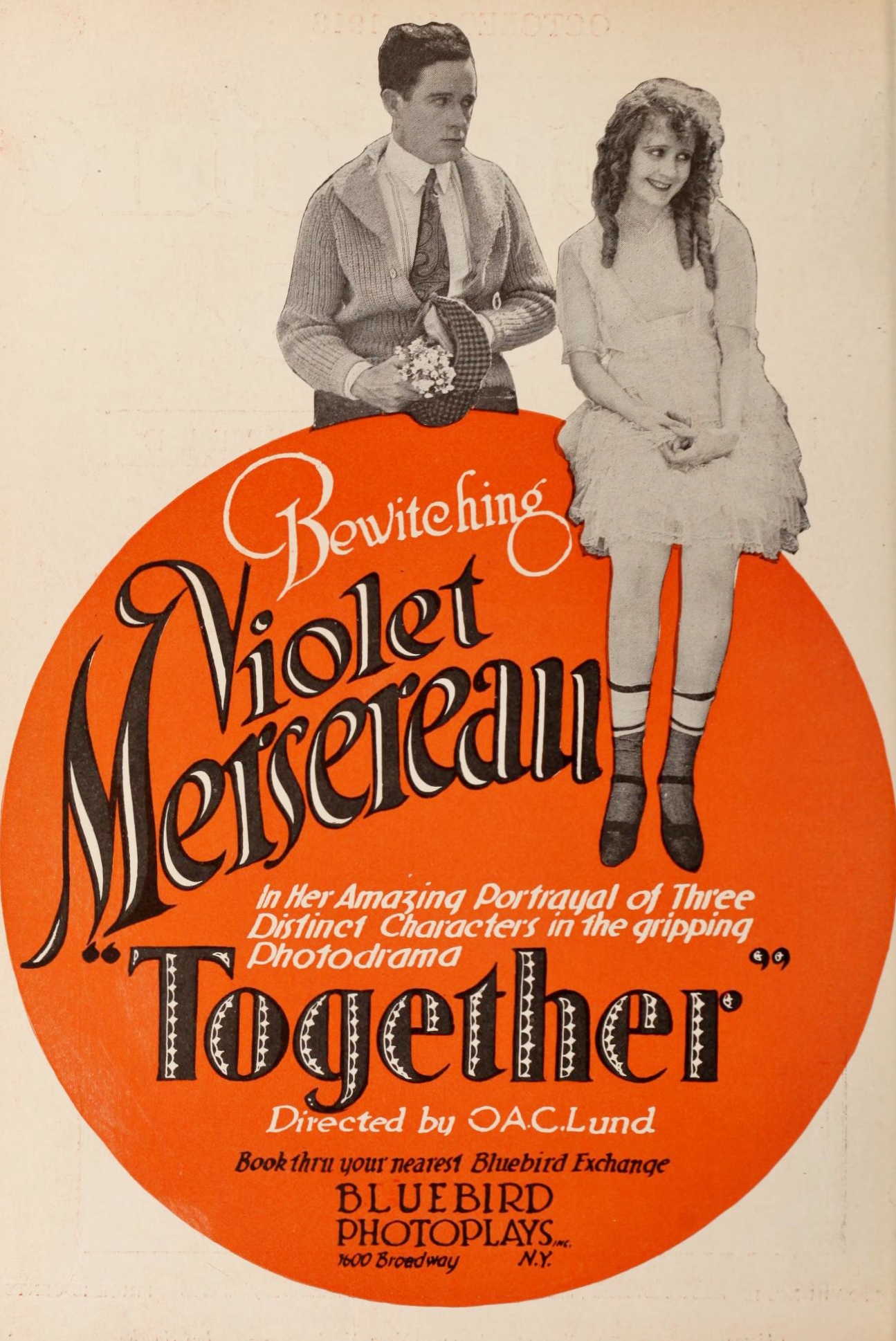
The silent era, often dismissed by casual observers as a quaint precursor to modern cinema, was in fact a vibrant epoch of narrative experimentation and profound emotional expression. Within this fertile ground, films like O.A.C. Lund and Louis Wolheim's 'Together' (1918) emerge as compelling artifacts, demonstrating an intricate understanding of human drama, familial discord, and the relentless pursuit of justice. This is not merely a forgotten relic; it is a meticulously crafted narrative, a testament to the power of visual storytelling and the enduring appeal of a well-spun yarn. At its core, 'Together' is a morality play, a high-stakes melodrama where virtue battles vice, and the bonds of blood are tested by the corrosive influence of greed.
The premise itself is a masterclass in tension-building: a deceased patriarch, Richard Standhope, lays down a gauntlet from beyond the grave, dictating that his considerable estate shall only pass to his daughter, Laura, if she can reunite with her long-lost twin brother, Larry, by a specific deadline. Failure to do so would see the fortune revert to the nefarious clutches of Andrew Brean, the very man whose avarice set this tragic saga in motion. This setup immediately positions the audience on the edge of their seats, investing them in Laura's quest and creating a palpable sense of urgency. The film doesn't waste time in establishing its central conflict, propelling the narrative forward with an admirable efficiency that belies its era. It's a race against the clock, a familiar trope, yet handled here with a fresh urgency that feels timeless.
The true depth of the tragedy, and the villainy of Andrew Brean, is slowly unveiled through the discovery of Mrs. Standhope's diary. This narrative device, a classic for revealing hidden truths, serves 'Together' exceptionally well. Imagine the scene: Laura, portrayed with a captivating blend of fragility and resolve by Violet Mersereau, and her devoted sweetheart, Jim Watson (Bernard Randall), poring over the faded script, each word a painful revelation. The diary exposes Brean's calculated treachery, his insidious plot to shatter the Standhope marriage shortly after the twins' birth by fabricating accusations of infidelity against Mrs. Standhope. This act of cruel deception not only tore apart a family but irrevocably altered the destinies of two innocent children. Laura, shielded from the immediate fallout, was dispatched to a boarding school, a life of structured formality that, while perhaps offering some stability, undeniably severed her from her familial roots. Larry, however, suffered a far more brutal fate. Left in his father's care, he endured neglect, a profound abandonment that festered and ultimately pushed him into the shadows, transforming him into 'the Kid,' a petty thief. The film masterfully illustrates the long-reaching consequences of one man's malice, showing how a single act of betrayal can ripple through generations, scarring lives and shaping futures.
The character of Andrew Brean, while perhaps a archetypal villain, is rendered with sufficient menace to drive the plot. His avarice isn't just a plot device; it's a character motivator, a dark force that propels the narrative's central conflict. One might draw parallels to the ruthless machinations seen in films like Money Magic, where the lure of wealth corrupts and distorts human relationships, or even the intense marital dramas of The Co-respondent, which similarly explores the devastating impact of false accusations on domestic harmony. Brean's actions here are not merely selfish; they are destructive, dismantling the very fabric of family for personal gain. The film doesn't shy away from depicting the moral decay that such single-minded greed can engender.
The narrative takes a particularly compelling turn when Laura and Jim, still wrestling with the revelations of the diary and the mystery of Larry's whereabouts, find their home brazenly invaded. The perpetrators? None other than 'the Kid' (Chester Barnett), Larry himself, and his accomplice, 'the Snail.' This dramatic irony is exquisitely handled, a moment of profound recognition amidst chaos. The reunion is not sentimental or pre-arranged; it's born from a collision of circumstances, a stark illustration of how fate often intervenes in the most unexpected ways. Larry, hardened by a life on the streets, is a stark contrast to the refined Laura, yet the underlying bond of kinship immediately asserts itself, a silent acknowledgment of their shared lineage despite their divergent paths. Chester Barnett imbues Larry with a compelling blend of street-smart grit and an underlying vulnerability, making his transformation from antagonist to ally both believable and emotionally resonant. His performance is a nuanced portrayal of a character shaped by neglect but still capable of loyalty and affection.
The sheer audacity of this plot point, bringing the estranged siblings together through a criminal act, speaks volumes about the creative daring of O.A.C. Lund and Louis Wolheim as writers. It avoids the saccharine sentimentality that could easily have plagued a story of this nature, opting instead for a gritty, realistic (within the confines of melodrama) portrayal of their initial reconnection. This pivotal scene sets the stage for the film's climactic showdown, transforming a personal quest into a collective struggle against a common enemy. The film, through its visual language and the expressive performances of its cast, communicates the shock, the recognition, and the burgeoning hope that flicker between the reunited twins.
With the twins finally 'together,' the narrative accelerates towards its inevitable confrontation with Andrew Brean. Their decision to meet him at a local restaurant is a bold move, a direct challenge to his authority and his carefully constructed web of deceit. However, Brean, ever the calculating villain, anticipates their intentions. What ensues is a classic silent film action sequence: a tense encounter that erupts into violence as Brean and his henchmen ambush Jim and the twins. The physical struggle, while stylized for the era, conveys the desperation of the situation. It’s a literal 'fight' for their fortune, their future, and their very lives, echoing the thematic struggles seen in films like The Fight, where protagonists must physically overcome obstacles to secure their justice. The choreography, though perhaps dated by modern standards, effectively communicates the peril faced by our protagonists.
The final race against the clock, as Laura and Larry strive to reach the will reading before the deadline expires, is a masterstroke of suspense. The audience is fully invested in their plight, hoping against hope that they will succeed. The dramatic tension is ratcheted up with each passing moment, culminating in their triumphant, last-minute arrival. This classic cinematic trope, the protagonists bursting in just as all seems lost, is executed with aplomb, providing a cathartic release for the audience. The resolution is satisfying, not just because the villains are thwarted, but because the family, broken and scattered, is finally made whole. The fortune is saved, but more importantly, the familial bond is restored, signifying a victory not just of wealth but of spirit. The film delivers on its promise of dramatic payoff, leaving the viewer with a sense of justice served and a belief in the enduring power of truth.
The success of 'Together' hinges significantly on the evocative performances of its cast. Violet Mersereau, as Laura, carries the emotional weight of the film with grace and conviction. Her expressive eyes and subtle gestures convey a complex range of emotions, from initial naiveté to determined resolve. She embodies the quintessential silent film heroine, strong yet vulnerable, a beacon of purity against the darkness of Brean's schemes. Bernard Randall, as Jim Watson, provides a steady, heroic presence, his loyalty to Laura never wavering. He is the steadfast partner, the embodiment of chivalry, a necessary anchor in a turbulent narrative. Chester Barnett, as Larry/'the Kid,' delivers perhaps the most dynamic performance, depicting a character arc that moves from rough-hewn outlaw to a man reclaiming his rightful place. His portrayal of a man living on the fringes, yet possessing an innate goodness, is particularly commendable. The ensemble cast, under the direction (presumably) of O.A.C. Lund, works in harmony to bring this intricate story to life without the benefit of spoken dialogue. Their reliance on pantomime, facial expressions, and body language is a testament to their skill and the unique demands of silent cinema.
The directorial vision, likely spearheaded by O.A.C. Lund who also co-wrote the screenplay with Louis Wolheim, demonstrates a clear understanding of cinematic pacing and visual storytelling. The film employs a variety of camera angles and editing techniques to maintain engagement, transitioning smoothly between intimate character moments and broader action sequences. The use of intertitles is judicious, providing necessary exposition without overwhelming the visual narrative. The film's aesthetic, while constrained by the technology of its time, effectively creates atmosphere and communicates emotional states. It's a reminder that compelling cinema existed long before synchronized sound, relying on the universal language of human expression and meticulously crafted plot. This directorial approach is reminiscent of the era's best, where the visual narrative was paramount, and every gesture, every set piece, every costume choice had to convey meaning without a single spoken word. The writers, Lund and Wolheim, crafted a tight, engaging plot that provided ample opportunity for these visual narratives to flourish, a skill that often gets overlooked when we consider the collaborative nature of filmmaking in the silent era.
'Together' transcends its melodramatic framework to explore several enduring themes. The most prominent, naturally, is the theme of family – its fragmentation, its resilience, and its ultimate reunification. It delves into the destructive power of greed, personified by Brean, and contrasts it with the unwavering loyalty and love exhibited by Laura, Jim, and ultimately, Larry. The film also touches upon social stratification, with Larry's descent into thievery highlighting the precariousness of life for those without privilege or familial support. It’s a poignant commentary on how circumstances can shape an individual’s path, yet also suggests that an inherent goodness can persist even in the harshest environments. The pursuit of justice, both legal and moral, forms the backbone of the narrative, culminating in a satisfying resolution where wrongs are righted and the rightful heirs claim their inheritance.
In an era where cinema was rapidly evolving, 'Together' stands as a strong example of popular entertainment with significant narrative depth. It’s not just a story of a lost inheritance; it's a profound exploration of identity, betrayal, and redemption. The film's ability to evoke such strong emotional responses through purely visual means is a testament to its craftsmanship and the talent involved. For aficionados of silent cinema, or indeed anyone interested in the evolution of storytelling, 'Together' offers a rich and rewarding viewing experience. It reminds us that the fundamental elements of compelling drama – well-defined characters, a clear conflict, and a satisfying resolution – have remained constant throughout cinematic history. This film, though over a century old, resonates with universal truths and continues to captivate with its intricate plot and heartfelt performances. It is a powerful reminder that the silent screen was anything but quiet in its emotional impact or its narrative ambition. Its legacy lies not just in its existence, but in its ability to still engage and move an audience today, proving that great storytelling truly is timeless. The enduring appeal of such narratives, where personal virtue triumphs over systemic vice, speaks to a fundamental human desire for fairness and resolution, a desire 'Together' fulfills with admirable skill and dramatic flourish.
IMDb 3.8
1928
Community
Log in to comment.