DbcultAccessing Vault...
Cult Review
Senior Film Conservator
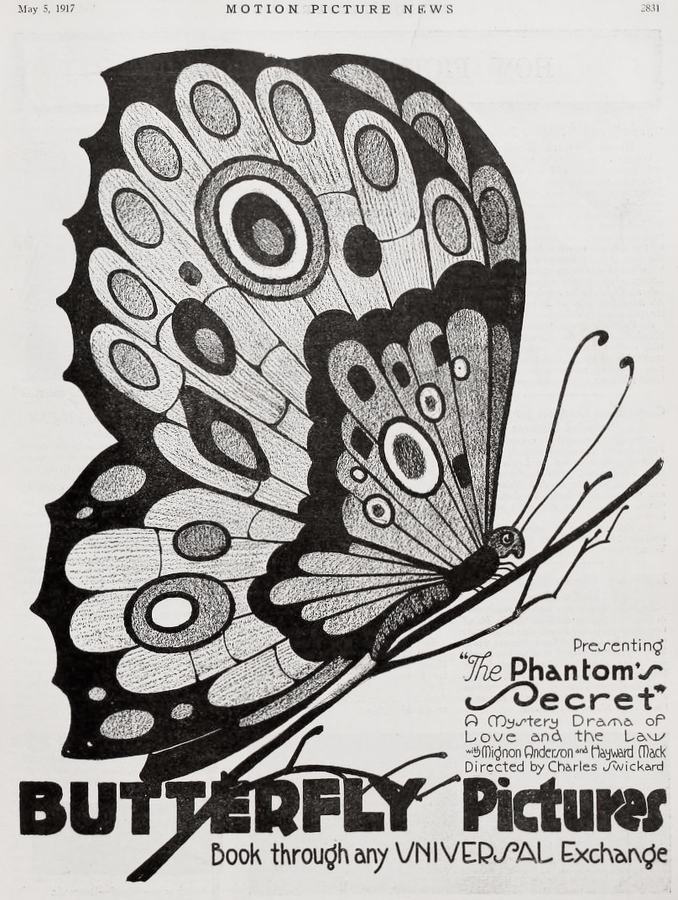
Stepping into the spectral glow of early cinema, one often finds narratives that, despite their age, resonate with an almost primal force. 'The Phantom's Secret', a silent film from a bygone era, unfurls a tapestry of deceit, desperation, and the relentless pursuit of a life unburdened by past transgressions. It's a journey into the moral ambiguities of survival, where the lines between victim and deceiver blur with each fateful choice. The film, penned by J. Grubb Alexander, orchestrates a symphony of emotional turmoil, presenting a protagonist whose every decision is a tightrope walk over an abyss of exposure and ruin. It's a testament to the enduring power of a well-crafted melodrama, even without the benefit of spoken dialogue, to captivate and provoke thought about the human condition under duress.
At its heart lies Jeanne, portrayed with a compelling vulnerability by Molly Malone, a young woman whose world implodes with the death of her father, Count de Beaulieu. The esteemed count, it is revealed, harbored a sinister alter ego: he was the infamous arch-criminal, The Phantom. This bombshell, delivered with the gravity typical of the period's dramatic revelations, immediately plunges Jeanne into an existential crisis. Her father's legacy, once a source of pride, now becomes a crushing weight, a stain upon her very being. The film expertly establishes this initial trauma, setting the stage for the cascade of unfortunate events that follow. Malone’s performance, relying solely on expression and gesture, conveys the profound shock and terror of this discovery, making Jeanne’s subsequent actions understandable, if not entirely defensible. It’s a powerful beginning, drawing the viewer into her desperate plight from the very first frames.
The nefarious Franz Leroux, played with a menacing intensity by Hayward Mack, emerges as the architect of Jeanne's immediate torment. As the sole confidante of The Phantom's true identity, Leroux seizes the opportunity to leverage this devastating secret against Jeanne, demanding her hand in marriage as the price of his silence. This act of blatant blackmail is the catalyst for Jeanne’s subsequent flight and the central conflict of the narrative. Mack’s portrayal of Leroux is perfectly pitched for the era – a villain whose motivations are purely self-serving, exuding a palpable sense of threat that drives Jeanne to increasingly desperate measures. The forced union, a common trope in melodramas of the time, underscores the precarious position of women in a society where their autonomy could be so easily compromised. It’s a stark reminder of the social anxieties and power imbalances that often fueled such dramatic narratives, creating a sense of inescapable dread for our beleaguered heroine.
Jeanne's reluctant agreement to marry Leroux propels them across the Atlantic to America, a land often seen as a crucible for reinvention and new beginnings. However, for Jeanne, it is merely a change of scenery, not a reprieve from her inescapable past. The weight of her secret, and the presence of her loathsome husband, continue to haunt her. It is in America that she encounters Jane Elliot, portrayed by Nellie Allen, an old friend whose presence offers a fleeting glimpse of solace. The bond between the two women quickly deepens, leading Jeanne to confide the harrowing details of her predicament. This moment of shared vulnerability is crucial, highlighting Jeanne's isolation and her desperate need for genuine connection. Allen's performance, though perhaps secondary, provides a vital counterpoint to Malone's anguish, offering a brief respite of warmth and understanding before fate intervenes once more.
The decision to flee to Florida, a symbolic escape to a sunnier, less complicated existence, is abruptly and tragically thwarted. A devastating train wreck, a dramatic set piece often employed in silent films to signify a cataclysmic shift in destiny, claims Jane Elliot’s life. This pivotal event, while horrific, presents Jeanne with an unthinkable, yet compelling, opportunity. In a move born of sheer self-preservation, she decides to assume Jane’s identity. This act of identity theft, while morally ambiguous, is presented as a desperate measure to escape Leroux’s clutches and the shadow of her father’s criminal legacy. The film doesn't shy away from the ethical complexities of this choice, yet frames it within the context of a woman pushed to the very brink. It's a fascinating exploration of how external pressures can force individuals to fundamentally alter their very sense of self. One might even draw parallels to the extreme lengths characters go to for survival or a fresh start in other silent era dramas, though perhaps not with the same immediate tragic catalyst. The dramatic irony here is palpable: a new life is forged from the ashes of another, a choice that promises freedom but simultaneously binds Jeanne to an elaborate, fragile deception. The film’s narrative truly hinges on this moment, transforming Jeanne from a victim of circumstance into an active, if morally compromised, agent of her own destiny. The sheer audacity of her decision, propelled by an instinct for survival, is a powerful dramatic engine, setting the stage for the next, equally perilous, chapter of her life. This dramatic turn, while perhaps a convenient plot device, underscores the desperate measures individuals might undertake when cornered by circumstances beyond their control. It’s a theme that, even today, resonates with audiences, inviting contemplation on the boundaries of morality when survival itself is at stake. The visual storytelling of the train wreck itself, likely a spectacle for its time, would have emphasized the abruptness and finality of Jane’s demise, making Jeanne’s subsequent decision feel both shocking and inevitable. The psychological toll of such a decision, to essentially erase one's past and adopt another's future, is immense, and Molly Malone's portrayal would have had to carry the weight of this internal conflict through subtle expressions and gestures, hinting at the constant fear of exposure that would become her new shadow. It's a stark reminder of how life-altering events can force individuals into roles they never anticipated, fundamentally reshaping their identity in an instant. This dramatic pivot is not merely a plot contrivance; it's a profound commentary on the human capacity for adaptation and deception when faced with insurmountable threats, echoing the stark realities and moral compromises found in other intense dramas of the era. The silent screen, with its reliance on visual cues and the audience's imagination, was particularly adept at conveying the psychological weight of such a transformation, making Jeanne's choice feel both tragic and understandable within the heightened reality of the narrative. The sheer nerve required for such a charade, especially in an era where communication was less instantaneous, adds another layer of tension to her new, assumed existence.
Posing as Jane, Jeanne finds herself welcomed into the Marston household, where she encounters Henry Marston, played by Fred Church. A burgeoning romance blossoms between them, built on the fragile foundation of Jeanne’s assumed identity. This period of burgeoning affection and fragile happiness is crucial, allowing the audience to witness the potential for a normal, loving life that Jeanne so desperately craves. Fred Church imbues Henry with a warmth and sincerity that makes his eventual forgiveness of Jeanne’s deception all the more poignant. The scenes depicting their courtship would have relied on the visual poetry of silent film romance – lingering glances, gentle touches, and the quiet understanding that transcends words. Yet, beneath this idyllic surface, the specter of her true identity and the lurking threat of Leroux’s reappearance cast a long, chilling shadow. This segment of the film masterfully builds dramatic tension, as the audience is acutely aware that this newfound bliss is precarious, built upon a house of cards. The irony is stark: to find love and acceptance, Jeanne must live a lie, illustrating the profound and often contradictory nature of human desire and the lengths to which individuals will go for happiness, even if it means sacrificing their authentic self. The internal struggle for Jeanne must have been immense, a constant battle between the joy of new love and the terror of imminent exposure. The film, through Malone's nuanced acting, would have communicated this silent anguish, making her character deeply sympathetic despite her deception. The Marston family, including performances by Mignon Anderson, Lee Shumway, and Daniel Leighton, likely represent the wholesome, upright society from which Jeanne feels irrevocably estranged by her past, making her acceptance into their fold even more significant and, simultaneously, more terrifying. The contrast between her assumed identity and her true, haunted self becomes the central emotional conflict, a silent scream beneath the surface of her serene exterior. This delicate balance of hope and dread is a hallmark of effective melodrama, keeping the audience on edge, hoping for Jeanne's salvation even as they anticipate the inevitable unraveling of her carefully constructed facade. The blossoming romance with Henry Marston serves not just as a narrative device but as a potent symbol of the life Jeanne yearns for, a life free from the taint of crime and the chains of blackmail. It elevates the stakes considerably, making the eventual confrontation with Leroux all the more impactful.
The illusion, of course, cannot last forever. Leroux’s inevitable arrival shatters Jeanne’s precarious peace, forcing her to confront the past she so desperately tried to outrun. The moment of his appearance is undoubtedly a dramatic crescendo, a sudden intrusion of darkness into the fragile light of her new life. Jeanne is compelled to confess her intricate story, revealing the layers of deception to Henry and the Marstons. This scene would have been a masterclass in silent film acting, with Molly Malone conveying the anguish, shame, and terror of her confession through every gesture and facial nuance. The stakes are incredibly high: her love, her future, and her very freedom hang in the balance. Hayward Mack’s Leroux, in this confrontation, would likely have been at his most menacing, reveling in Jeanne’s despair. The tension is palpable, as the audience, having invested in Jeanne’s happiness, dreads the outcome. It’s a moment of truth, where all the carefully constructed facades crumble, leaving raw emotion exposed. The narrative, until this point, has meticulously built towards this unavoidable reckoning, making it feel both devastating and dramatically satisfying. The performances of supporting actors like Nanine Wright and Mark Fenton, perhaps as other Marston family members or local figures, would have contributed to the atmosphere of shock and disbelief during this revelation, amplifying Jeanne's isolation and vulnerability. The scene is a powerful exploration of the consequences of secrets and the agonizing process of baring one's soul, even when the truth is fraught with peril. It underscores the film's central theme: the relentless grip of the past and the profound human desire for redemption and acceptance.
In a twist of poetic justice, as Jeanne’s harrowing explanations are in progress, fate delivers a swift and brutal blow to Leroux. One of his former confederates, whom he had callously double-crossed, emerges from the shadows to exact a deadly revenge. The criminal, the blackmailer, the architect of Jeanne’s misery, meets his end not by the hand of justice, but by the vengeful act of a fellow wrongdoer. This sudden, almost deus ex machina resolution, while perhaps convenient, is characteristic of the dramatic conventions of the era, providing a definitive end to the immediate threat without resorting to a lengthy legal process. It’s a moment of catharsis, both for Jeanne and for the audience, as the primary antagonist is removed from the narrative in a shockingly abrupt manner. Henry Marston, having witnessed the depths of Jeanne’s suffering and the sudden, violent end of her tormentor, is moved to forgive her deception. His act of forgiveness is the ultimate affirmation of their love, transcending the lies and the criminal past. Together, they embark on a new life, finally free from The Phantom’s secret and Leroux’s malevolent shadow. This resolution, while perhaps idealistic, offers a hopeful conclusion to a tale fraught with peril, emphasizing the redemptive power of love and understanding. The swift justice meted out to Leroux, rather than through a formal legal process, speaks to a certain narrative expediency common in the period, prioritizing dramatic impact and character resolution over strict procedural realism. It allows the focus to remain squarely on Jeanne's emotional journey and her hard-won peace.
Thematically, 'The Phantom's Secret' delves into the profound weight of inherited guilt and the desperate measures individuals will take to escape the specter of a tainted past. Jeanne's journey is a poignant exploration of identity – how it is shaped by external forces, how it can be shed, and how a new one can be forged, even if precariously. The film questions the nature of morality when survival is at stake, presenting a protagonist who, though she engages in deception, remains fundamentally sympathetic due to the immense pressure she faces. The narrative also touches upon the vulnerability of women in a patriarchal society, where a criminal husband could hold a woman’s entire future hostage. This aspect of the plot, while a product of its time, still resonates with themes of coercion and control. The silent film medium, with its reliance on exaggerated gestures and stark visual metaphors, effectively conveys these complex emotional and moral quandaries. The film doesn't offer easy answers, but rather a dramatic portrayal of a woman fighting for her right to a life free from inherited shame and forced servitude. The contrast between the public facade and private torment is vividly brought to life, making Jeanne a compelling figure whose struggle for authenticity is both heartbreaking and inspiring. J. Grubb Alexander's screenplay, stripped of dialogue, relies on the universal language of emotion and circumstance to drive its powerful message home. It’s a testament to the enduring human desire for a fresh start, for a chance to escape the shadows of one's lineage and carve out an independent destiny. The film implicitly critiques the societal judgment that would condemn Jeanne for her father's sins, highlighting the unfairness of inherited guilt and the courage it takes to break free. The themes of trust and betrayal are also central, from Leroux's initial blackmail to Jeanne's deception of Henry. Yet, ultimately, the film champions forgiveness and the redemptive power of love, suggesting that even the deepest secrets can be overcome if met with understanding and compassion. This narrative arc, moving from profound despair to a glimmer of hope, is a classic melodramatic structure, designed to elicit strong emotional responses from the audience. The film, in its quiet way, explores the very essence of what it means to be human: flawed, resilient, and perpetually searching for a place of belonging and peace. The intricate web of lies Jeanne weaves is not a sign of inherent malice, but rather a desperate act of self-preservation, which the film carefully frames to maintain audience sympathy. This nuanced approach to a morally ambiguous character is one of the film’s strengths, allowing for a deeper engagement with her plight. The narrative’s exploration of the consequences of hidden identities and the yearning for an authentic existence is timeless, resonating beyond the specific historical context of its production. It’s a powerful reminder that the human heart, when pushed to its limits, will seek out light, even if it means navigating through shadows.
The performances across the board contribute significantly to the film's impact. Molly Malone, as Jeanne, carries the emotional weight of the narrative with remarkable grace and intensity, her expressive features conveying a vast range of emotions from terror to tentative joy. Her portrayal is a masterclass in silent acting, relying on subtle shifts in gaze and posture to communicate internal turmoil. Hayward Mack, as the villainous Leroux, is suitably menacing, a figure of relentless threat whose presence looms large over Jeanne’s every move. His performance ensures that the audience feels the constant pressure Jeanne is under. Fred Church's Henry Marston is a beacon of sincerity and compassion, making his eventual forgiveness of Jeanne’s deception feel earned and deeply moving. The supporting cast, including Nellie Allen as Jane Elliot, Lee Shumway, Mignon Anderson, Daniel Leighton, Nanine Wright, and Mark Fenton, all contribute to the rich tapestry of characters that populate Jeanne's world, each playing their part in either complicating or aiding her journey. The direction, though uncredited in many historical records, effectively builds suspense and conveys the dramatic shifts in Jeanne’s fortunes. The pacing, crucial for silent films, ensures that the narrative never drags, keeping the audience engaged through its various twists and turns. The use of intertitles, while a necessity, is integrated seamlessly, providing crucial exposition without disrupting the flow of the visual storytelling. Comparing it to other films of the period, The Phantom's Secret holds its own as a compelling melodrama, perhaps not reaching the epic scale of a film like Greed, but certainly excelling in its focused, character-driven drama. The film's strength lies in its ability to evoke strong emotional responses through purely visual means, a hallmark of the silent era's artistry. The narrative's exploration of moral dilemmas and the pressure of societal expectations on individuals, particularly women, finds echoes in contemporary films like Merely Mary Ann, which also delves into the struggles of a woman seeking happiness against considerable odds. The intricate plotting, credited to J. Grubb Alexander, is a testament to the sophistication of early screenwriting, creating a world where every action has profound consequences. The film's ability to maintain suspense and audience investment in Jeanne's fate, despite the inherent limitations of the medium, speaks volumes about its craftsmanship. It’s a compelling example of how early cinema, through careful direction and powerful acting, could tell stories of profound human struggle and eventual, hard-won triumph. The aesthetic choices, from lighting to set design, would have further enhanced the dramatic atmosphere, immersing viewers in Jeanne's fraught existence. This cinematic effort, while perhaps not as widely remembered as some blockbusters of the era, offers a valuable glimpse into the narrative power and emotional depth achievable in the silent film landscape, proving that compelling storytelling transcends the spoken word. The film is a fascinating artifact, not just for its plot, but for its demonstration of how early filmmakers captivated audiences with nothing more than light, shadow, and the universal language of human emotion. Its enduring relevance lies in its timeless themes: the search for identity, the burden of secrets, and the elusive quest for redemption and a peaceful existence, making it a worthy subject of re-evaluation for any discerning film enthusiast.
In retrospect, 'The Phantom's Secret' stands as a compelling example of silent-era melodrama, showcasing the dramatic potential of a narrative steeped in moral ambiguity and high stakes. It might not possess the grandiosity of some of its contemporaries, but its strength lies in its focused portrayal of one woman's desperate fight for a semblance of peace and happiness. The film's exploration of identity, the relentless pursuit of the past, and the ultimate triumph of love and forgiveness, even in the face of profound deception, are themes that continue to resonate. It’s a film that, despite its age, speaks volumes about the human spirit's capacity for resilience and the enduring hope for a fresh start, proving that some secrets, once unmasked, can indeed pave the way for a brighter future. The intricate dance between fate and free will, between the shadows of the past and the promise of a new dawn, makes The Phantom's Secret a fascinating and emotionally charged cinematic experience, a testament to the power of storytelling in its purest, silent form.
IMDb 5.5
1930
Community
Log in to comment.