DbcultAccessing Vault...
Cult Review
Senior Film Conservator
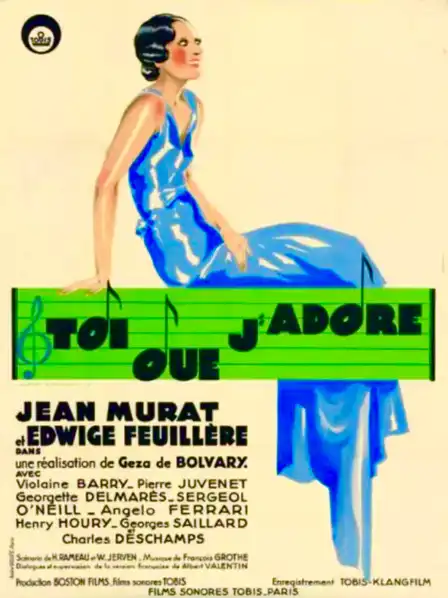
Alright, so we're talking about Toi que j'adore. Is it worth digging up today? Yeah, if you’re a certain kind of person. If you like your old French cinema a bit on the quirky side, and you don’t mind a premise that feels… *definitely* from another era, then give it a shot. People who need constant action or super tidy plots? You'll probably find it a bit slow, maybe even a little baffling. It’s got a particular rhythm to it, you know? 🎶
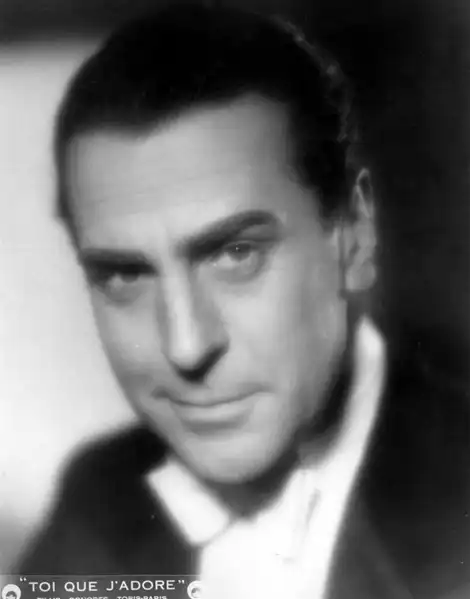
The whole thing kicks off with this composer, Monsieur Dechamps (played by Henry Houry), seeing a photo in a magazine. Just a photo. And he's immediately, totally smitten. Like, **completely gone** for this woman he's never met. It’s a bold move, this sudden obsession, and the movie just *rolls with it* without much explanation. He just knows he needs to find her. No, really, that's the whole starting point. He drops everything to track down this mystery lady's address, which is apparently a grand villa on the Riviera. As one does.
His next brilliant idea? Become a butler. Yes, a butler. To get close to her. The logic is a bit hazy here, but it’s part of the film's charm, I think. You can almost feel the movie winking at you, like, “Just go with it.” Watching him try to navigate the house staff, it's clear he’s not exactly cut out for servant life. There's a particular scene where he's attempting to serve tea, and his hands are shaking so much, the whole tray wobbles precariously. It’s not a huge moment, but it’s one of those bits that just makes you *feel* his desperation and awkwardness.
The woman, played by the absolutely radiant Edwige Feuillère, is Violaine. She has this quiet elegance, even when she's just walking across a room. You can see why Dechamps is so taken. But the interesting part is how **unaware** she is of his secret mission. It's all happening right under her nose, and she just sees him as the new, slightly clumsy, butler. This creates a good bit of dramatic irony. You're always wondering when, or if, she'll figure it out.
There’s a small subplot about other staff members and their gossip, which is kinda funny. It adds a bit of flavor to the otherwise very focused story. You know, just a little peek into the daily life of a grand house. One maid keeps eyeing Dechamps, clearly wondering what his deal is. It’s a quick glance, but it speaks volumes.
The Riviera setting itself is pretty. The villa looks grand, all those big windows and sweeping staircases. But sometimes, especially in the wider shots, it feels a little *empty*. Like they didn't quite fill the space with enough life. You notice the stillness, which can be lovely, but sometimes it just feels… vacant. It's almost as if the film itself is waiting for something to happen, just like Dechamps is.
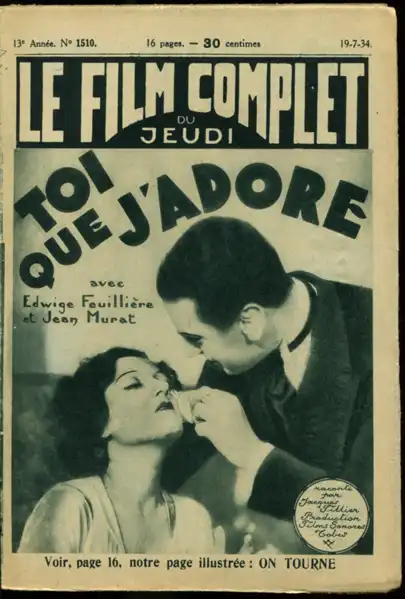
The pacing is definitely deliberate. This isn't a movie that rushes. It takes its time with moments. Sometimes, a scene lingers on Dechamps' face for what feels like an eternity, just showing his longing. You can almost hear him thinking, though there's no voiceover. It’s a very visual kind of storytelling in that regard. You're meant to *feel* his quiet torment and yearning, not have it spelled out.
One thing that kinda stood out to me was how casual everyone is about the new butler. No real background checks? Just, "Oh, you're here to be the butler? Great, start polishing!" It’s a little detail, but it made me chuckle. It really highlights the old-school charm, where plot points didn't always need super airtight explanations. It’s about the feeling, not the strict realism.
The movie doesn't really try to be profound. It’s a simple story about a very specific, slightly mad, kind of love. Or maybe just infatuation. It raises questions about how well you can really know someone you’ve only seen in a picture, and if that’s enough to build something on. Dechamps is so convinced, but for the viewer, it's all a bit of a gamble. You're with him on this strange journey, hoping it doesn't end in complete disaster or, worse, awkward silence.
There's a scene towards the end, without giving too much away, where the truth starts to unravel. The tension builds subtly, not with big explosions, but with quiet glances and missed cues. It’s all about the *implications* of what people are realizing. And the way Feuillère reacts, it's not over-the-top; it's a quiet understanding that just washes over her face. It’s quite effective, actually. Much more so than some grand, theatrical reveal.
Ultimately, Toi que j'adore is a film that feels like a forgotten gem you stumble upon. It's not perfect, and it certainly won't be everyone's cup of tea. But if you appreciate the oddities of old cinema, the slower pace, and a story driven by pure, unadulterated, and slightly unhinged romantic idealism, it's worth a look. It’s a reminder that love stories used to be a little less… logical. And sometimes, that's just fine. 👍
IMDb —
1920
Community
Log in to comment.