DbcultAccessing Vault...
5.2/10
Senior Film Conservator
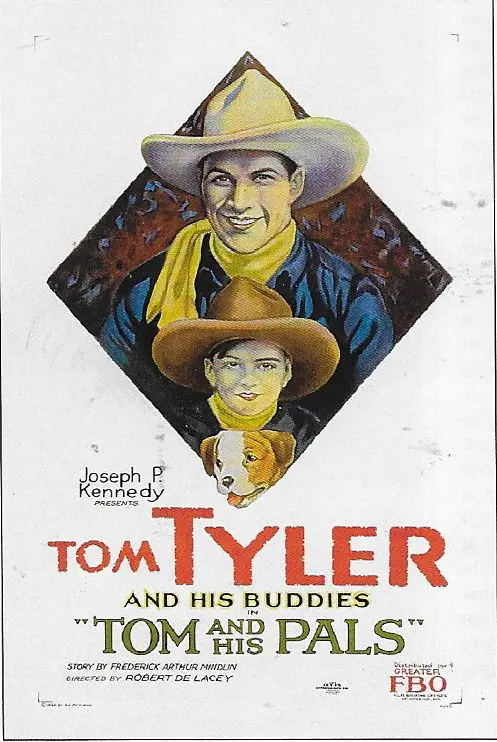
A definitive 5.2/10 rating for a film that redefined the boundaries of cult cinema. Tom and His Pals remains a cornerstone of transgressive art.
Is this film worth watching today? Short answer: yes, but only if you possess a deep-seated curiosity for how early cinema critiqued its own burgeoning celebrity culture. It is a film for those who appreciate the 'meta' before 'meta' was a buzzword, but it is certainly not for viewers who demand the high-octane pacing of contemporary action cinema.
Tom and His Pals (1926) is a fascinating, if occasionally clunky, artifact of the silent era. It attempts to bridge the gap between the rugged authenticity of the Western genre and the sophisticated artifice of the Hollywood melodrama. It’s a film that asks what happens when a simple ranch hand stops looking at the horizon and starts looking at a magazine. It works. But it’s flawed.
Before we dive into the dusty trails of the Flying-U Ranch, let’s establish the core appeal of this 1926 production. This isn't your standard 'white hat versus black hat' showdown.
The film centers on Tom Duffy, played with a surprising amount of internal conflict by Tom Tyler. Unlike the stoic heroes of The Pony Express, Tom is a man distracted. He is a dreamer in a world that demands doers. His obsession with Pandora Golden (Helen Lynch) isn't just a crush; it's a symptom of a rural population beginning to feel the seductive pull of mass media.
The arrival of the film crew at the ranch is the movie's strongest conceit. It allows director Richard Thorpe to play with the 'film within a film' trope. When Pandora steps off the train, she isn't a person; she is an image. Helen Lynch plays this beautifully, leaning into the exaggerated gestures of the 'vamp' archetype. She is the antithesis of Mary Smith (Doris Hill), who represents the grounded, albeit slightly boring, reality of ranch life.
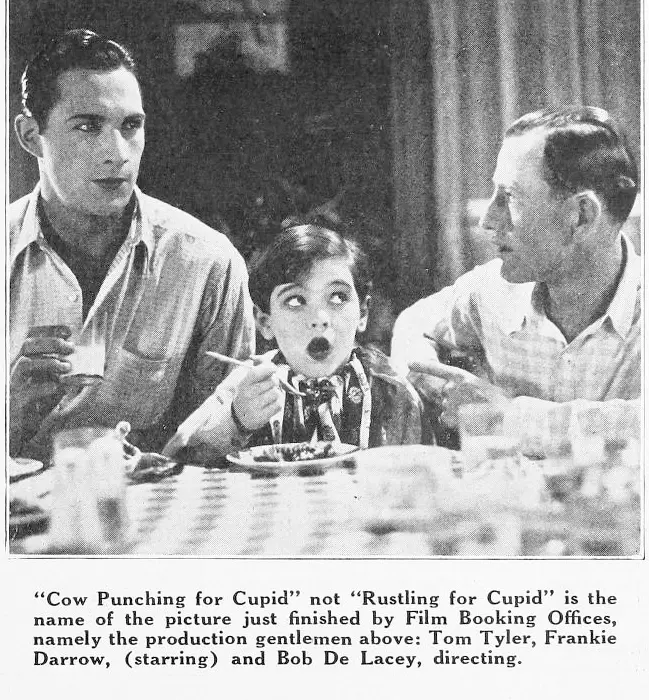
The conflict arises not from a cattle rustling plot—the usual staple of the genre—but from a social manipulation. Courtney (LeRoy Mason) is the 'city slicker' archetype taken to its logical extreme. He doesn't want the land; he wants the capital the land represents. His attempt to lure Mary into an elopement is a classic melodramatic beat, but it’s framed through the lens of Tom’s own negligence. Tom is so busy worshiping a false idol that he nearly loses the real treasure standing right in front of him.
Tom Tyler was never the most expressive actor in terms of facial nuance, but his physicality was unmatched. In Tom and His Pals, he uses his frame to convey a sense of misplaced energy. When he’s reading his magazines, he’s slouched, almost diminished. But when the action kicks in—specifically during the rescue of the child actress—he transforms into the quintessential Western icon.
The child actress sub-plot is where the film finds its heart. Frankie Darro, a staple of the era, provides a grounded performance that contrasts with the theatricality of the adult stars. The scene where Tom rescues the child from a raging bull is a masterclass in 1920s stunt work. There are no digital safety nets here. The danger feels palpable, and the choreography of the rescue is sharp and visceral.
"The bull sequence isn't just a stunt; it's the moment the film sheds its comedic skin and reminds the audience that the West is still a place of life and death, regardless of who is filming it."
Helen Lynch’s transition from a manipulative 'vamp' to a sympathetic mother is the film’s most debatable pivot. It feels a bit rushed, a concession to the moral codes of the time that demanded every 'bad woman' have a redeeming secret. However, Lynch handles the shift with enough grace to make it believable within the heightened reality of a silent melodrama. It’s a far more complex role than what we see in many contemporary Westerns like Breed of the Border.
Visually, the film benefits from its location shooting. The Flying-U Ranch feels like a lived-in space, not a backlot set. The cinematography captures the vastness of the landscape, which serves to make Tom’s internal obsession with small, printed magazines feel even more absurd. There is a recurring visual motif of Tom framed against the wide-open sky while clutching a tiny piece of Hollywood gossip.
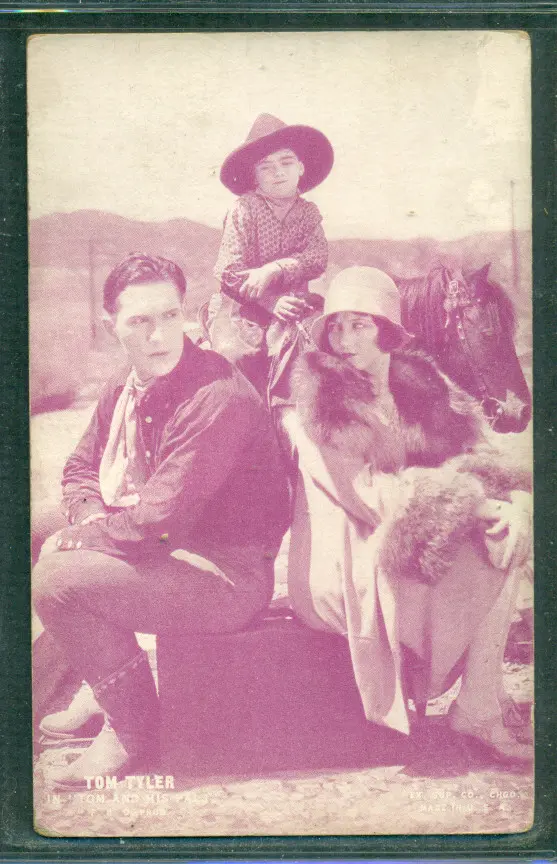
The pacing, however, is where the film struggles. Like many productions of the mid-20s, it suffers from a sagging second act. The 'conspiracy' between Courtney and Pandora involves a lot of standing around and whispering behind doors—actions that don't always translate well to the silent medium without excessive titling. Compared to the tight editing of Blue Blood and Red, this film feels like it’s taking the long way home.
If you are looking for a historical curiosity that examines the relationship between the audience and the star, then yes, Tom and His Pals is worth your time. It’s a rare look at how the Western genre began to eat itself, acknowledging that the 'cowboys' were now watching movies about 'cowboys.'
However, if you are looking for a film with a complex villain or a plot that avoids the 'damsel in distress' trope, you will be disappointed. The resolution is predictable, and the 'villain gets his comeuppance' finale is standard fare. But the journey there, filled with meta-commentary and genuine stunt work, offers enough substance to justify a viewing.
The film features impressive practical stunt work that puts modern CGI to shame. Tom Tyler’s presence is commanding, and the film’s willingness to poke fun at the 'vamp' archetype is refreshing for its time. The location photography provides a beautiful, authentic backdrop that grounds the more theatrical elements of the plot.
The plot relies heavily on the 'misunderstanding' trope, which can be frustrating for modern audiences. Mary’s character is somewhat underwritten, serving more as a prize to be won than a person with her own agency. The transition of the 'vamp' character from villain to hero is handled with the subtlety of a sledgehammer.
Tom and His Pals is a fascinating bridge between the old West and the new Hollywood. It lacks the epic scale of The Pony Express, but it makes up for it with a quirky, self-aware charm. It’s a film about the dangers of living in a fantasy world, even as it provides a fantasy world for its own audience. It isn't a masterpiece, but it is a solid, entertaining piece of silent cinema that deserves more than to be a footnote in Tom Tyler’s filmography. Watch it for the stunts, stay for the satire, and ignore the mustache-twirling villain.
IMDb —
1916
Community
Log in to comment.