DbcultAccessing Vault...
5.3/10
Senior Film Conservator
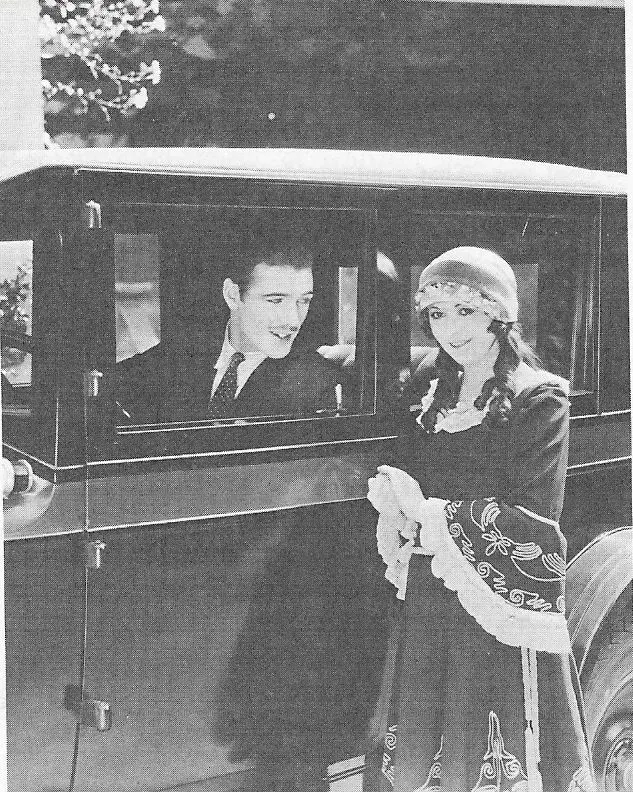
A definitive 5.3/10 rating for a film that redefined the boundaries of cult cinema. Three Pals remains a cornerstone of transgressive art.
Is Three Pals worth your time in the age of high-definition streaming? Short answer: Only if you are a dedicated film historian or a Gary Cooper obsessive looking to trace the roots of a Hollywood legend. For the casual viewer, it is a dusty relic that holds more value as a museum piece than as a Friday night entertainment option.
This film is for those who appreciate the aesthetic of the silent era and the primitive charm of 1920s storytelling. It is NOT for anyone who requires a fast-paced plot, nuanced character development, or high-stakes action. It is a slow-burn melodrama that prioritizes atmosphere over urgency.
1) This film works because it leverages the natural charisma of its animal stars, Beverly and Star, to create an emotional core that the human script occasionally lacks.
2) This film fails because the central mystery is telegraphed so early that the tension evaporates long before the climax.
3) You should watch it if you want to see the very early, unpolished screen presence of Gary Cooper before he became the definitive American hero.
To answer the question simply: Three Pals is a niche experience. If you find yourself captivated by the rural Southern setting and the specific 'Kentucky Colonel' archetype—a staple of early American cinema—then there is enough here to keep you engaged. However, if you are comparing it to the technical heights of 1926 cinema, such as the works coming out of Germany or the more sophisticated comedies of the time, it feels primitive. It lacks the visual flair of Driftwood or the narrative complexity of Sentenced for Life.
The film’s primary draw today is its cast and the curiosity of its production. It is a B-picture through and through, designed for a specific audience that has long since passed. Yet, there is a certain honesty in its simplicity. It doesn't try to be a grand epic; it tries to be a story about family and justice.
The character of the Kentucky Colonel, played by Josef Swickard, is the backbone of the film. Swickard brings a weary dignity to the role that prevents it from becoming a total caricature. In the scene where he is first accused of the murder, his stillness is more effective than the frantic gesticulations common in other films of the period like Three Black Eyes. He embodies a man who believes his word is his bond, making the accusation of a cowardly murder feel like a personal affront to the entire social structure of the region.
The return of the daughter from a European finishing school adds a layer of 'fish out of water' drama. While her character is written with the standard tropes of the 'virtuous daughter,' her transition from the refined air of Europe back to the muddy reality of a Kentucky murder investigation provides some of the film's only real character growth. It’s a trope we’ve seen executed with more wit in A Virtuous Vamp, but here it is played with a straight face that borders on the grim.
It is impossible to discuss Three Pals without mentioning Beverly and Star, the horses. During the 1920s, animal stars were often as big a draw as their human counterparts. In many ways, the horses are more expressive than the supporting cast. There is a specific moment during the investigation where the interaction between the lead actress and her horse feels more authentic than any of the romantic subplots. The horses aren't just props; they are the 'pals' the title promises.
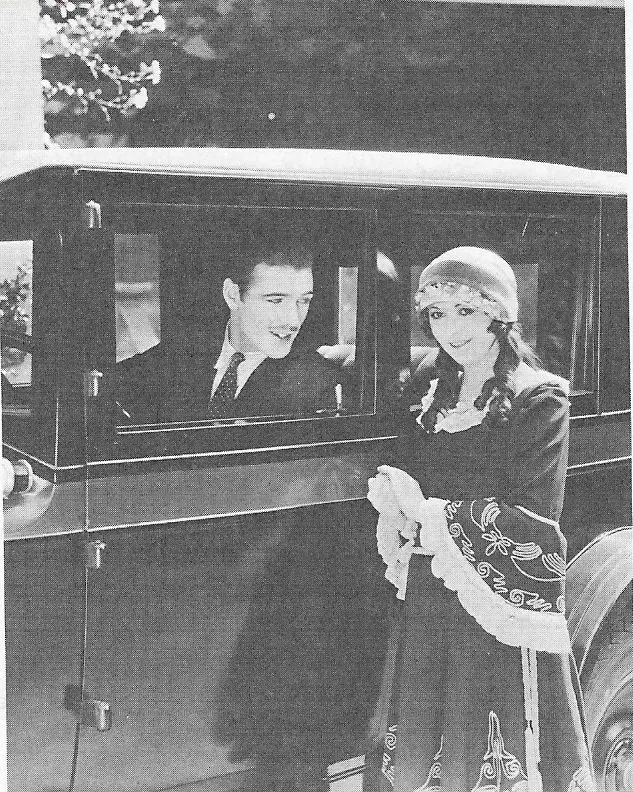
This reliance on animal performers was common in rural dramas of the time, such as Circus Days. In Three Pals, the horses are used to facilitate the plot in ways that modern audiences might find laughable, but for the era, it was peak entertainment. They represent the purity of nature in contrast to the greed-driven motives of the human villains.
For modern viewers, the name Gary Cooper is the only reason to seek this out. In 1926, Cooper was still finding his footing. He doesn't have the 'Man of the West' gravitas yet. He is lean, almost awkward, and lacks the polished screen presence he would later display in films like Ruggles of Red Gap. However, you can see the seeds of his future stardom in the way he holds the frame. He has an innate ability to draw the eye, even when he isn't the focal point of the scene.
His role here is relatively minor, but it serves as a fascinating case study in star development. Comparing his performance here to the more seasoned acting in Shore Leave shows just how much he had to learn about the camera. He is a raw talent, and Three Pals is the rough stone before the polish.
L.V. Jefferson’s script is a product of its time, which is both a compliment and a critique. The pacing is deliberate—some might say glacial. The film spends a significant amount of time on the setup of the financial feud, which, while necessary for the stakes, feels over-explained through title cards. It lacks the punchy, energetic writing found in contemporary works like Nothing But Nerve.
The central conflict—a murder over money—is a noir staple in its infancy. However, the film avoids the cynicism of later noir, opting instead for a moralistic resolution. The daughter’s role as the amateur sleuth is the most interesting part of the script, though her 'detective work' often feels like a series of fortunate coincidences rather than actual deduction. It’s a far cry from the tighter plotting of A Wild Goose Chase.
Visually, Three Pals is competent but uninspired. The cinematography captures the Kentucky landscape with a flat, documentary-like quality. There are no expressionistic shadows or daring camera movements. It feels static. While this grounded approach works for the setting, it fails to elevate the drama. If you look at Schlagende Wetter from the same era, the difference in visual ambition is staggering.
The editing is functional, though some of the transitions between the European flashbacks and the Kentucky present day are jarring. The film struggles to balance its two worlds. One moment we are in a refined parlor, and the next we are in the dirt and grime of a Southern feud. This tonal whiplash is common in lower-budget silents of the mid-20s, like Daring Youth.
Three Pals is a film trapped in its own era. It works. But it’s flawed. It doesn't have the timeless quality of the greats, but it serves as a solid example of the mid-tier silent drama. It’s a movie that relies on the audience’s inherent trust in the 'Colonel' and the 'Pals' to carry a thin story. If you go in with adjusted expectations, you might find a quiet charm in its simplicity. If you go in expecting a masterpiece, you will be disappointed. It is a minor note in cinema history, but one that is worth hearing if you want to understand where the medium—and its biggest stars—came from. It’s not as emotionally resonant as Hearts and Flowers, nor as socially relevant as The Life Story of David Lloyd George, but it occupies its own small, dusty corner of the 1920s with a stubborn, Southern pride.
IMDb —
1932
Community
Log in to comment.