DbcultAccessing Vault...
6.4/10
Senior Film Conservator
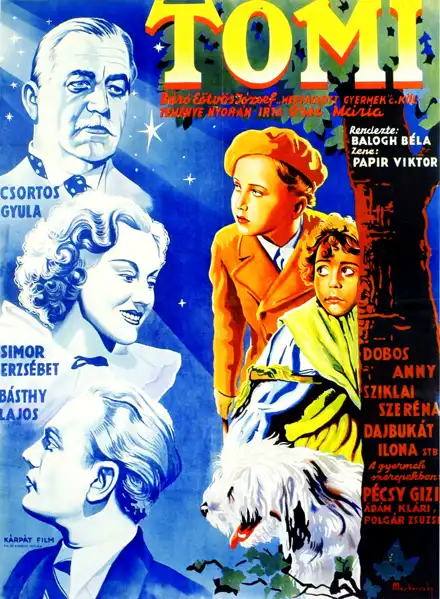
A definitive 6.4/10 rating for a film that redefined the boundaries of cult cinema. Tomi remains a cornerstone of transgressive art.
If you have a soft spot for those black-and-white movies where a cranky old man eventually learns how to smile because of a kid, you should watch this. It is a 1936 Hungarian film that feels like a warm, slightly stale biscuit.
People who hate child actors or slow, stage-like dramas will probly want to skip it. But if you're in the mood for something gentle, it works. 🍿
The story is simple. Little Tomi (played by Harry Csáktornyai) loses his dad and gets sent to live with his grandfather, played by Gyula Csortos.
Csortos is the best part of the whole thing. He has this way of looking at everyone like they just told a really bad joke.
He is a rich, stiff man who didn't like Tomi's parents. He spends a lot of the first act just glowering behind a desk.
I noticed the sound quality is a bit echoey, which happens a lot in these older European films. It makes the house feel even bigger and lonelier than it already is.
The kid, Harry, has incredibly neat hair. Like, it doesn't move even when he's supposed to be sad or running around.
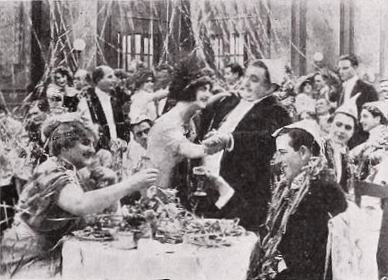
There is one scene where they are sitting at a massive dinner table. The silence goes on for a long time, and you can hear the faint clinking of silverware.
It’s awkward. It reminded me of those stiff family dinners in The New Frontier, even though that is a totally different kind of movie.
The writing by Mária Szepes is fine, but it really relies on the actors to make the sentiment feel real. Some of the side characters feel like they are just waiting for their turn to speak. 😶
I found myself staring at the background sets quite a bit. The curtains look heavy and the furniture looks like it would be very uncomfortable to sit on.
Lajos Básti shows up too, and he’s always good. He brings a bit of needed energy to the slower parts of the script.
There is a moment where the grandfather looks at a portrait on the wall. The camera stays on his face for about ten seconds too long.
You can see him trying to decide whether to look sad or just angry. It's these little human slips that make the movie better than the actual plot.
It isn't a masterpiece like some of the bigger films from that era. It feels much smaller, almost like a filmed play.
The ending is exactly what you think it will be. But that is kind of why people watch these, right?
It’s definitely not as weird or gritty as something like Girls for Sale. It stays very safe and polite.
Sometimes the kid’s acting feels a bit too "rehearsed." He hits his marks, but you can almost see him looking for the director off-camera.
Still, when he and Csortos finally start to bond, it’s hard not to feel a little something. The old man's face softens just a tiny bit, and it feels earned.
I think I liked the quiet parts of the house more than the actual dialogue. The way the light hits the dust in the big hallways is really nice. ✨
Overall, it’s a decent way to spend ninety minutes if you want to see how Hungarian cinema handled the "softening the heart" trope. It’s a bit sugary, but Csortos keeps it from being too annoying.
IMDb 5.9
1916
Community
Log in to comment.