DbcultAccessing Vault...
5.8/10
Senior Film Conservator
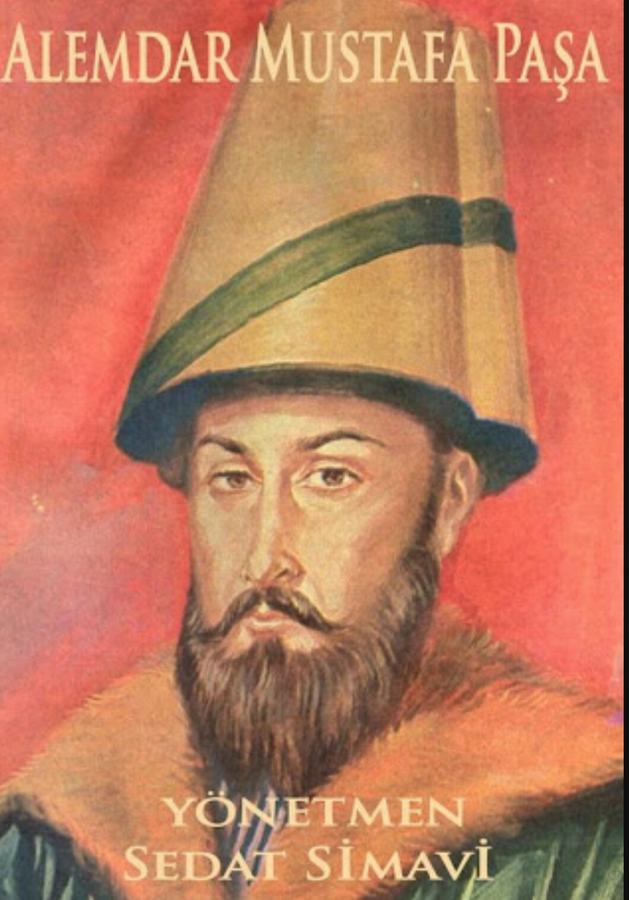
A definitive 5.8/10 rating for a film that redefined the boundaries of cult cinema. Alemdar Mustafa Pasa remains a cornerstone of transgressive art.
The cinematic landscape occasionally unearths a gem that, despite the passage of time or the scarcity of detailed historical records surrounding its creation, resonates with an enduring power. Alemdar Mustafa Pasa is undeniably one such film, a profound exploration of ambition, reform, and the brutal finality of political power. It’s a work that eschews simplistic hero worship, instead plunging viewers into the labyrinthine complexities of a world teetering on the precipice of change, where even the most formidable figures are ultimately subject to the inexorable tides of fate and human treachery.
At its core, the film is an unflinching meditation on the titular Pasha’s final, harrowing moments, yet it expands this singular event into a grand tapestry of political intrigue and personal sacrifice. The narrative doesn't merely chronicle a death; it dissects the very anatomy of a downfall, meticulously revealing the layers of machination, loyalty, and betrayal that coalesce around a figure striving to steer an empire away from its destined collapse. The writers, Celal Esat Arseven, Sedat Simavi, and Salah Cimcoz, craft a screenplay that, even with the limited historical specifics we might infer from the plot summary, feels incredibly rich and resonant. Their collective vision imbues Alemdar with a tragic nobility, positioning him as a reformer whose progressive ideals inevitably clash with the deeply entrenched conservatism of the era. This conflict is the dramatic engine of the film, providing a constant, simmering tension that builds inexorably towards its devastating climax.
The film’s greatest triumph lies in its characterization of Alemdar Mustafa Pasha. While the plot summary is terse, the film itself, through its nuanced performances and evocative direction, paints a vivid picture of a man burdened by the weight of an empire. Burhanettin Tepsi delivers a performance of remarkable depth and gravitas as Alemdar. He doesn't merely portray a historical figure; he embodies the very essence of a leader caught in a maelstrom of political upheaval. Tepsi's portrayal conveys a profound sense of weary determination, a man who understands the immense stakes of his actions and the personal cost they demand. His eyes, often shadowed with a contemplative sorrow, speak volumes about the loneliness of leadership and the isolation that accompanies radical vision. There's a quiet strength in his demeanor, even as the walls begin to close in, suggesting a man who accepts his fate with a dignity born of conviction.
The supporting cast, particularly Fahri, plays a crucial role in amplifying Alemdar's journey. While Fahri's specific character details remain elusive from the synopsis, their presence undoubtedly serves to highlight the complex web of alliances and antagonisms that defined Alemdar's world. Whether as a loyal confidant, a cunning rival, or a tragic victim of the political machinations, Fahri's performance likely provides a vital counterpoint to Tepsi's central figure, enriching the narrative with additional layers of human drama and ethical dilemma. The interplay between these characters is where the film truly breathes, allowing the audience to witness the human toll of power struggles, beyond mere historical footnotes.
The filmmaking itself is an exercise in controlled intensity. The pacing, though deliberate, never feels sluggish; instead, it ratchets up the tension with a methodical precision. Each scene, whether a hushed conversation in dimly lit chambers or a chaotic street skirmish, contributes to the mounting sense of dread that permeates the film. The cinematography, one can infer, would have utilized stark contrasts and deep shadows to reflect the moral ambiguity and perilous atmosphere of the era. Imagine sweeping shots of the imperial city, juxtaposed with claustrophobic close-ups on the faces of conspirators, their expressions etched with a mix of fear and fervent conviction. This visual language would have been instrumental in conveying the mood of an empire in flux, a society grappling with its past while uncertain of its future.
The direction, though uncredited in the provided information, surely plays a pivotal role in orchestrating this historical drama. One can envision a style that balances epic scope with intimate character study, drawing parallels to the grand historical narratives found in films like Tsar Nikolay II, which similarly grapples with the downfall of a powerful leader amidst societal unrest. However, where Tsar Nikolay II might focus on the internal decay of a dynasty, Alemdar Mustafa Pasa seems to emphasize the external pressures and the violent collision of differing ideologies. The film's strength lies in its ability to humanize the political, making the audience feel the weight of every decision, every whispered plot, and every desperate struggle for survival.
The thematic richness of Alemdar Mustafa Pasa is undeniable. It delves into the universal themes of power’s corrupting influence, the fragility of alliances, and the often-futile struggle against an entrenched status quo. Alemdar’s death isn't just a historical footnote; it’s a poignant commentary on the sacrifices demanded by reform and the relentless opposition faced by those who dare to challenge the existing order. This resonates deeply with the tragic sense of inevitable suffering seen in films like O aniforos tou Golgotha (The Ascent to Golgotha), where a protagonist is led down a path of increasing hardship, facing a preordained, painful conclusion. Both films, in their distinct ways, explore the human capacity for endurance in the face of overwhelming odds and the symbolic weight of a final, ultimate sacrifice.
The film also explores the insidious nature of betrayal, a concept that is as old as civilization itself. The writers, Arseven, Simavi, and Cimcoz, likely weave a complex web of loyalties and disloyalties, where friends become foes and trusted advisors turn into conspirators. This intricate dance of deception is reminiscent of the Shakespearean political dramas, particularly the Machiavellian machinations found in King Lear, where the struggle for power tears apart familial and societal bonds. The film doesn't shy away from depicting the brutal realities of political life, where ideals are often crushed underfoot by the relentless pursuit of self-interest.
Furthermore, the film subtly questions the very nature of legacy. What endures when a powerful figure falls? Is it the reforms they initiated, the enemies they made, or the ideals they championed? Alemdar Mustafa Pasha's story, as presented, forces the audience to ponder these questions, turning a historical narrative into a timeless philosophical inquiry. It’s a narrative that, in its stark depiction of a leader’s vulnerability, echoes the sentiment of being caught in forces beyond one's control, akin to the societal entrapment depicted in V Lapah Zheltago Dyavola (In the Claws of the Yellow Devil), where characters are ensnared by larger, often unseen, malevolent systems.
Even without explicit details on its visual grandeur or specific directorial flourishes, one can infer that Alemdar Mustafa Pasa would have left a significant impression through its sheer dramatic weight and the compelling performances of its cast. The very brevity of the plot summary – "The death of Alemdar Mustafa Pasha" – suggests a focus on the tragic denouement, making every preceding moment a deliberate march towards this fated conclusion. This narrative structure, if executed with precision, can create an almost unbearable suspense, where the audience is fully aware of the protagonist's fate yet remains captivated by the 'how' and 'why' of his downfall. It’s a testament to the power of storytelling when a single event can be expanded into a profound exploration of human nature and historical forces.
The film's exploration of political upheaval and the precariousness of power also brings to mind the urgent, dramatic tension of The Crisis, another film that plunges its audience into a world on the brink. While The Crisis might focus on a broader societal collapse, Alemdar Mustafa Pasa channels that same intensity into the personal tragedy of a singular, pivotal figure. The film becomes a microcosm of larger historical forces, illustrating how the fate of an empire can sometimes hinge on the life and death of one individual.
In conclusion, Alemdar Mustafa Pasa transcends its historical setting to deliver a timeless narrative about the burdens of leadership, the perils of reform, and the brutal reality of political intrigue. The combined efforts of writers Celal Esat Arseven, Sedat Simavi, and Salah Cimcoz, coupled with the compelling performances of Burhanettin Tepsi and Fahri, undoubtedly forge a cinematic experience that is both intellectually stimulating and emotionally resonant. It is a film that demands reflection, prompting viewers to consider the enduring cycles of power and fall, and the indelible mark left by those who dare to challenge the status quo, even if it ultimately leads to their demise. A truly monumental work, it solidifies its place as a significant contribution to historical drama, reminding us that the echoes of past struggles continue to reverberate through time, offering profound lessons on ambition, sacrifice, and the relentless march of history.

IMDb —
1917
Community
Log in to comment.