DbcultAccessing Vault...
5.9/10
Senior Film Conservator
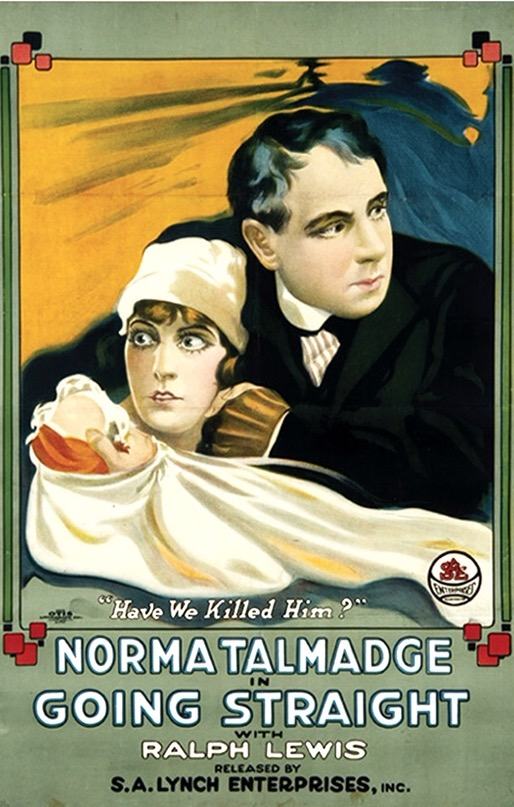
A definitive 5.9/10 rating for a film that redefined the boundaries of cult cinema. Going Straight remains a cornerstone of transgressive art.
There's a certain melancholic beauty in silent films that contemporary cinema often struggles to replicate. The reliance on gesture, expression, and the sheer power of visual storytelling forces a different kind of engagement, a more intimate connection with the human condition stripped bare of dialogue. Bernard McConville's 'Going Straight' is a prime example of this artistry, a narrative that, despite its century-old vintage, resonates with timeless themes of redemption, the indelible mark of the past, and the insidious nature of blackmail. It's a film that asks us to ponder: can one truly escape the shadows they've cast, or are they destined to forever chase the light, knowing the darkness is always just a step behind?
The premise is deceptively simple, yet profoundly complex. We are introduced to a couple, a man and his wife, who have ostensibly turned their backs on a life of crime. They've reinvented themselves, painstakingly constructing an existence built on respectability and the quiet dignity of honest living. This isn't merely a change of address; it's a profound metamorphosis, an attempt to shed the very skin of their former selves. The film invites us to witness the fragility of this new identity, a meticulously crafted façade that, while convincing to the outside world, remains perpetually vulnerable to the ghosts of yesterday. This struggle for reinvention, for a clean slate against all odds, is a narrative thread that continues to captivate audiences, much like the compelling journey of characters in The Deep Purple, where the underworld's clutches are equally tenacious.
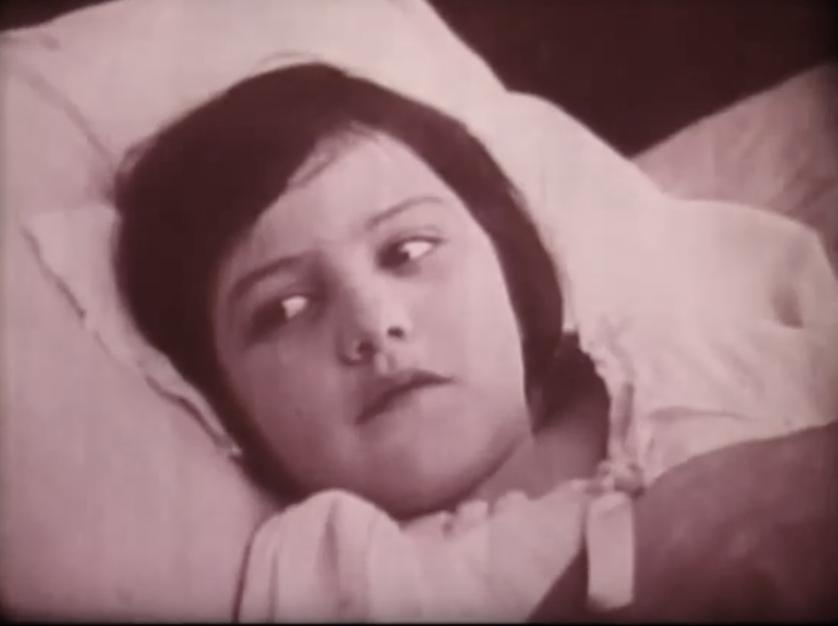
The narrative tension escalates dramatically with the arrival of a figure from their old gang. This isn't a friendly reunion; it's an intrusion, a deliberate act of sabotage against their newfound peace. This former associate, a grim reminder of the lives they've so desperately tried to bury, holds their past over their heads like a guillotine. The threat is stark: expose their criminal histories, dismantle their respectable lives, or compel them to participate in a new heist. It’s a classic dilemma, forcing characters to confront the agonizing choice between self-preservation and the moral compromise of returning to the very life they swore to abandon. The sheer audacity of this blackmail, the cold calculation of exploiting vulnerability, sets the stage for a gripping psychological drama, a precursor to the intricate schemes seen in films like Den farlige Haand, where danger lurks in every shadow.
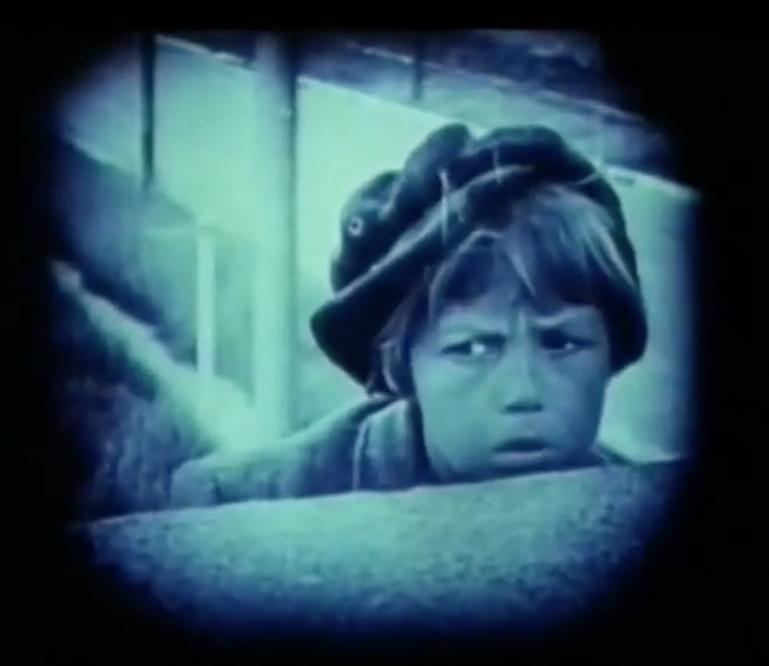
What makes 'Going Straight' particularly compelling is its exploration of the psychological toll this threat exacts. The film, through the expressive performances of its cast, particularly Norma Talmadge and Eugene Pallette, conveys the internal turmoil with remarkable clarity. We see the fear, the desperation, the flicker of resistance, and the crushing weight of inevitability. The silent medium, far from being a limitation, enhances this internal drama. Every widening of the eye, every subtle clenching of the jaw, every hesitant step speaks volumes, communicating the characters' anguish more eloquently than any spoken word could. This visual poetry is a hallmark of the era, demanding a nuanced understanding of human emotion and physical storytelling from its performers.
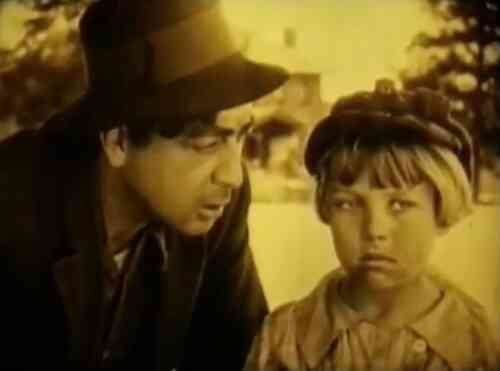
The cast of 'Going Straight' is a testament to the power of silent era acting. Norma Talmadge, a titan of the screen, brings a profound depth to her role as the wife. Her ability to convey complex emotions – fear, resolve, heartbreak, and a fierce protective instinct – through subtle changes in expression and posture is simply mesmerizing. She doesn't just act; she embodies the character's internal struggle, making her plight palpable to the audience. Her performance elevates the film beyond a simple crime drama, infusing it with a tragic romanticism.
Eugene Pallette, often remembered for his booming voice in later sound films, demonstrates his formidable talent even in silence. As the husband, he projects a powerful presence, a man caught between the desire to protect his family and the shame of his past. His physical acting conveys a sense of quiet strength, a man wrestling with an impossible situation, and his expressions of exasperation and determination are remarkably effective. The dynamic between Pallette and Talmadge is the emotional anchor of the film, their shared history and present predicament creating a palpable bond that the audience instinctively roots for.
Ralph Lewis, Georgie Stone, and Ruth Handforth, though perhaps with less screen time, contribute significantly to the film's atmosphere and narrative drive. Lewis, likely playing the menacing gang member, would have needed to exude a palpable threat, his very presence disrupting the protagonists' peace. Stone and Handforth, along with the other supporting players like Fern Collier, Kate Toncray, Violet Radcliffe, Francis Carpenter, 'Baby' Carmen De Rue, and Ninon Fovieri, fill out the world of 'Going Straight,' lending authenticity to the various social circles the main characters navigate. Even in silent cinema, the success of a film often hinged on the collective strength of its ensemble, ensuring that every character, no matter how small, felt integral to the unfolding drama. Their contributions, though often subtle, are crucial in building the world and stakes of the narrative.
The credit for this intricate web of tension and moral quandary goes to writer Bernard McConville. His screenplay for 'Going Straight' is a masterclass in building suspense through character-driven conflict. He understands that the most potent threats are often internal, born from past mistakes and the fear of exposure. McConville doesn't just present a plot; he crafts a moral crucible, forcing his characters – and by extension, the audience – to confront uncomfortable truths about identity, forgiveness, and the long reach of one's history. The script’s strength lies in its ability to humanize the criminals, transforming them from mere archetypes into complex individuals grappling with profound ethical predicaments. This depth of characterization is what elevates the film from a genre piece to a more enduring work of art.
McConville’s ability to weave a compelling narrative without the crutch of spoken dialogue highlights his skill as a storyteller. He relies on visual cues, dramatic irony, and the inherent tension of the situation to propel the plot forward. The pacing, though often slower by modern standards, allows for a deeper immersion into the characters' emotional states, giving each moment of fear or fleeting hope its due weight. This deliberate rhythm is a hallmark of early cinema, inviting viewers to absorb the narrative through observation rather than rapid-fire exposition. It's a storytelling approach that, when executed well, can be incredibly powerful, creating a lasting impression long after the credits roll. The intricate plotting and high stakes share a thematic kinship with other films of the era, such as Filibus, which also explored the thrilling and dangerous world of master criminals and their intricate designs.
Beyond the performances and the script, 'Going Straight' also offers a fascinating glimpse into the visual aesthetics of early 20th-century filmmaking. While specific directorial credits might be less emphasized in some historical records, the visual language of the film speaks volumes. The use of sets, costumes, and lighting would have been crucial in establishing the stark contrast between the couple's respectable present and their shadowy past. The juxtaposition of elegant drawing rooms with dimly lit back alleys, or sophisticated attire with the rougher garb of the underworld, visually reinforces the central conflict. Cinematography, even in its nascent stages, played a vital role in conveying mood and emotion, often employing dramatic close-ups to capture the nuances of an actor's face.
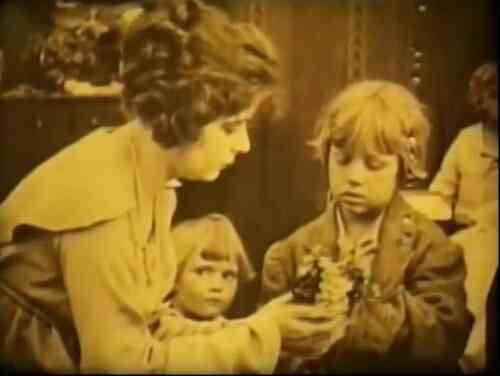
The film's inherent drama, unfolding without synchronized sound, would have been accompanied by live musical scores, often improvised or adapted to suit the on-screen action. This symbiotic relationship between film and music added another layer of emotional resonance, guiding the audience's feelings through soaring melodies during moments of hope and discordant notes during periods of tension. While we can only imagine the original live accompaniment, the visual narrative is strong enough to carry the emotional weight on its own, a testament to the craft involved. The visual spectacle and dramatic pacing of films like The Whirl of Life similarly relied on these elements to engage contemporary audiences.
'Going Straight' is more than just a crime drama; it's a profound commentary on societal judgment and the arduous path to redemption. The protagonists' struggle highlights the often-unforgiving nature of public perception, where a past mistake can forever tarnish a person's reputation, regardless of their efforts to change. The film implicitly asks: at what point does society truly forgive? Can one ever truly outrun their past, or are we all, to some extent, prisoners of our history? This philosophical undercurrent elevates the film from mere entertainment to a thought-provoking piece of social commentary. It reminds us that the quest for a 'clean slate' is often a lonely and perilous one, fraught with internal and external battles.
The film also touches upon the theme of identity – the identity we forge for ourselves versus the identity that is imposed upon us by others, particularly by our past actions. The couple's new personas are fragile constructs, constantly threatened by the specter of their former selves. The blackmailer doesn't just threaten to expose them; he threatens to strip away their very sense of self, forcing them back into roles they've desperately tried to abandon. This existential crisis, the struggle to define who you are when your past dictates who you were, is a powerful and universally relatable theme. It's a battle for self-determination against the crushing weight of circumstance, a struggle that resonates with the dramatic human conflicts found in The Better Man.
Even today, 'Going Straight' holds a significant place in the annals of cinema. It’s a testament to the enduring power of classic storytelling, demonstrating that compelling narratives do not require elaborate special effects or constant dialogue. Instead, they thrive on strong characters, plausible dilemmas, and universal human emotions. For silent film enthusiasts, it offers a glimpse into the artistry of an era that laid the groundwork for all subsequent cinematic achievements. For newcomers, it provides an accessible entry point into the world of early cinema, proving that these films are far from mere historical curiosities; they are vibrant, emotionally resonant works of art that continue to speak to contemporary audiences.
The film's exploration of moral ambiguity, the tension between choice and circumstance, and the relentless pursuit of a second chance ensures its continued relevance. It reminds us that while the tools of filmmaking may evolve, the core human stories remain timeless. The struggle to overcome one's past, to forge a new identity, and to protect those you love are themes that transcend generations and technological advancements. 'Going Straight' is a powerful reminder that sometimes, the greatest drama unfolds not on a grand stage, but within the quiet confines of a troubled soul. It’s a film that, much like the best silent features, leaves an indelible mark, prompting reflection long after the final frame fades to black. Its intricate plotting and exploration of the human psyche align it with the dramatic intensity of films such as A Study in Scarlet, which also delved into complex criminal narratives and moral dilemmas.
In conclusion, 'Going Straight' stands as a compelling example of silent era filmmaking at its best. It's a film that demands engagement, rewarding viewers with a rich tapestry of human emotion, moral conflict, and the enduring hope for redemption, even when the past refuses to stay buried. Its legacy is not just in its historical context but in its timeless ability to captivate and provoke thought, proving that a well-told story, regardless of its vintage, will always find an audience.
IMDb 6
1935
Community
Log in to comment.