DbcultAccessing Vault...
5.8/10
Senior Film Conservator
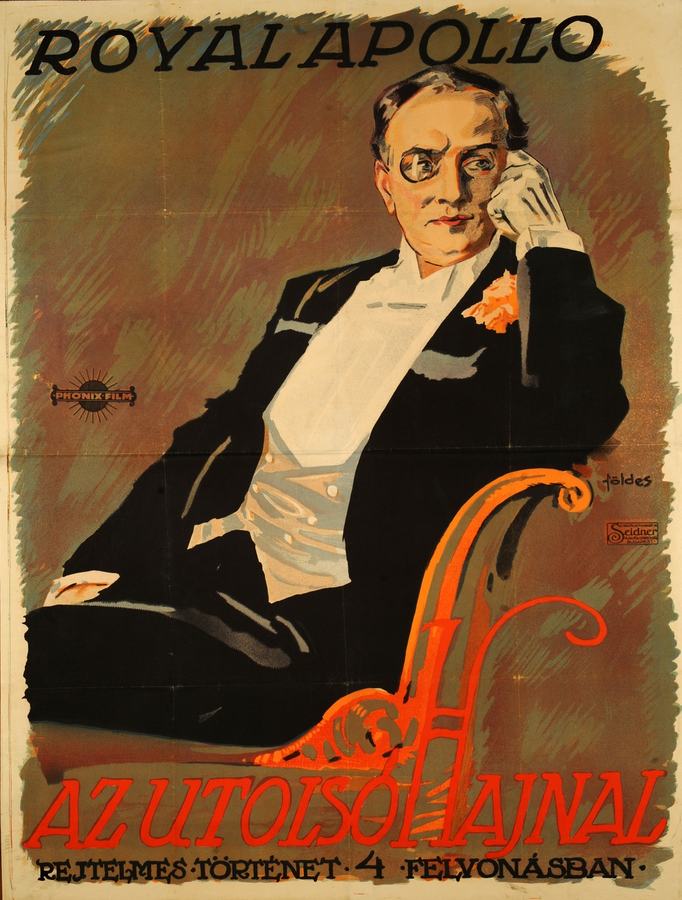
A definitive 5.8/10 rating for a film that redefined the boundaries of cult cinema. Az utolsó hajnal remains a cornerstone of transgressive art.
Moon-lit Budapest never looked more like a fever dream than in Az utolsó hajnal, a film that treats narrative as a cracked kaleidoscope: every turn flings shards of class, sex, and mortality into our eyes.
Director Alfred Deutsch-German—his name already a hyphenated riddle—composes each tableau as if chiaroscuro itself were a co-author. Candlelight carves Leopold Kramer’s gaunt profile into something approaching Byzantine marble; shadows swallow Erzsi B. Marton’s cheekbones until only her cigarette’s ember remains, a trembling red planet adrift in coal-black orbit. The plot, ostensibly a rescue melodrama, metastasizes into an existential whodunit where the victim and culprit share the same silk-lined coffin.
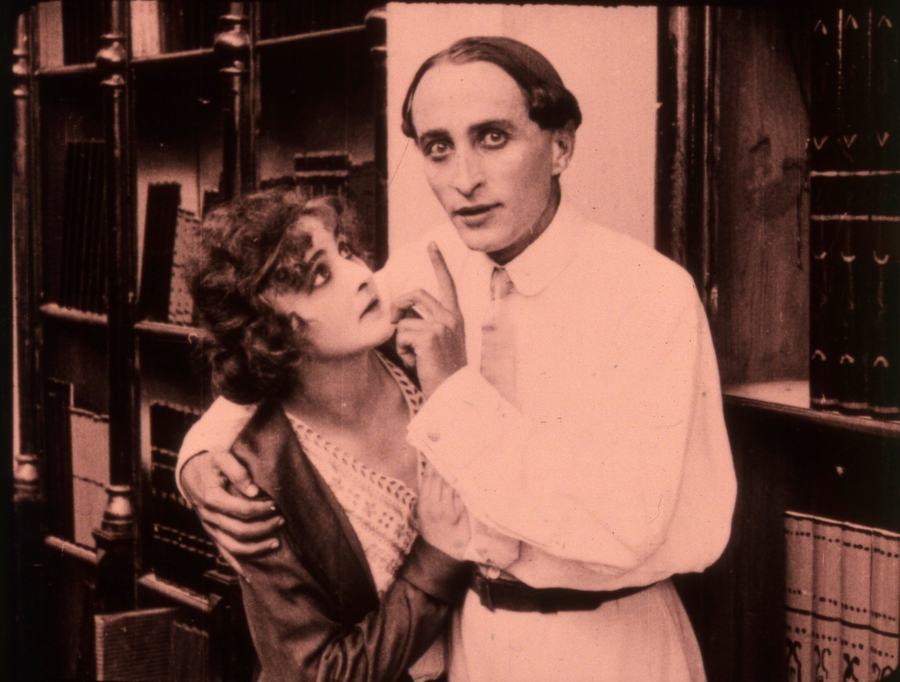
Shot on location in the skeletal palaces of the beleaguered Habsburg elite, the picture revels in textures that talk: cracked stucco whispers of defaulted mortgages; velvet drapes exhale dust like ancestral ghosts clearing arthritic throats. Cinematographer Jenö Balassa tilts the camera—sometimes only two or three degrees—so floors become subconscious slides toward damnation. One scene frames the heir’s dripping nightshirt against a marble bust of Emperor Franz Josef; candle-flame flickers make the emperor’s bronze mustache twitch in disapproval, as if monarchy itself were scolding the boy’s botched self-erasure.
Kramer’s Harding is no mustache-twirling villain; he is curator of calamities, eyes glinting with the cold curiosity of an entomologist. Watch how his fingertips drum Schubert on a tabletop seconds before offering the boy a loaded derringer—casual music of death. Opposite him, Andor Kardos plays the suicidal heir with raw-nerve vulnerability: his shoulders fold inward like broken umbrella ribs, yet when he finally smiles—teeth blood-flecked from biting his own tongue—the grin is pure Lucifer, a revelation that ruin and rebirth are Siamese twins.
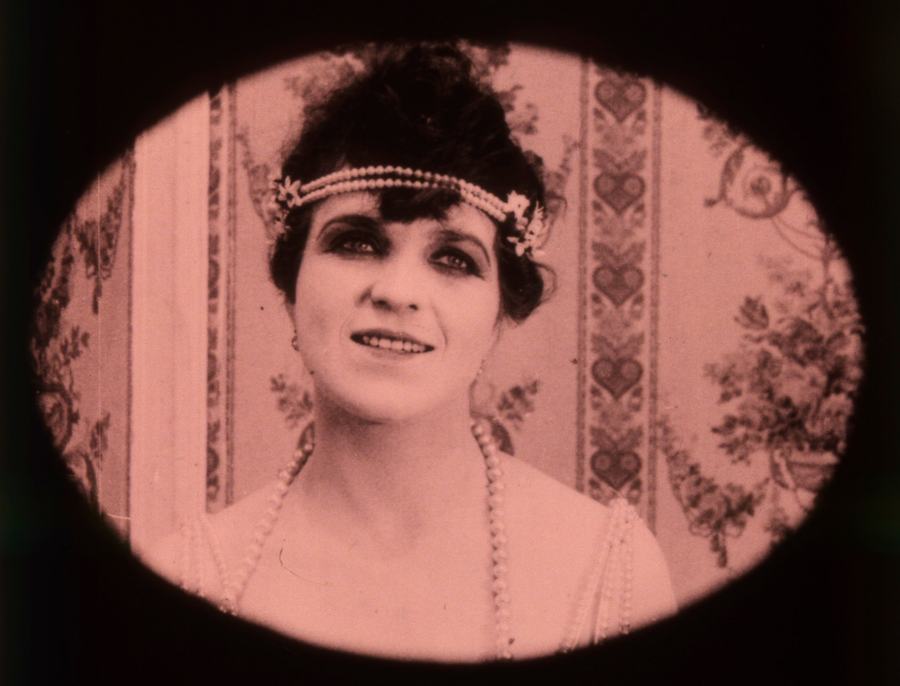
Claire Lotto, as the illegitimate daughter spying from staircases, delivers a masterclass in micro-gesture: a single blink conveys both desire and the premonition of carnage. Hungarian critics of the time compared her to The Fighting Hope’s Lillian Gish, yet Lotto’s pathos is steelier, more feral.
Writers Ladislaus Vajda and Iván Siklósi lace every intertitle with double-entendres that read like ransom notes from the unconscious. “A gentleman never drowns alone,” Harding quips, a line that ricochets through the film like a stray bullet seeking its rightful skull. The dialogue’s febrile wit anticipates the decadent banter in later works such as Gambler's Gold, yet here the stakes feel mortal, not mercantile.
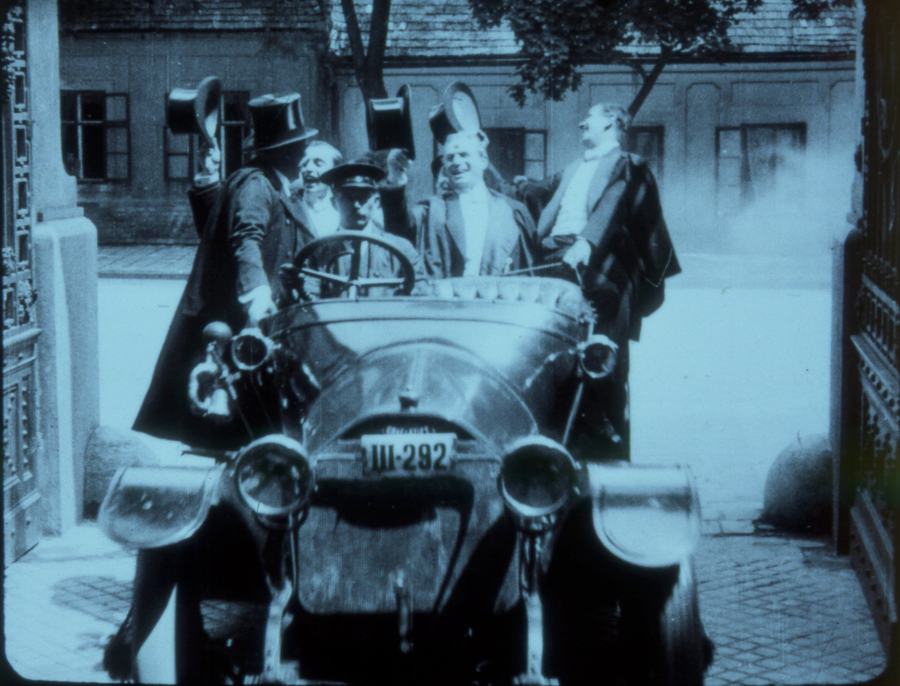
Class resentment seeps through floorboards: servants mimic their masters’ oratory in candle-closet pantomimes, exposing aristocratic codes as learned theatrical tics. When the heir finally dons Harding’s signet ring, the gesture is less gratitude than coup d’état—he slips into the older man’s identity the way one slides into a second-hand coat still perfumed with prior wearers’ sweat and cigars.
Though released without synchronized score, surviving prints bear handwritten cue sheets calling for Liszt’s Funérailles during the climactic pistol duel. Modern restorations interpolate Bartókian dissonance, and the clash is revelatory: strings scrape like scalpels against bone, mirroring the film’s obsession with flaying façades. Compare this to the ecclesiastical chanting that haunts Life of Christ—there holiness soothes, here music flagellates.
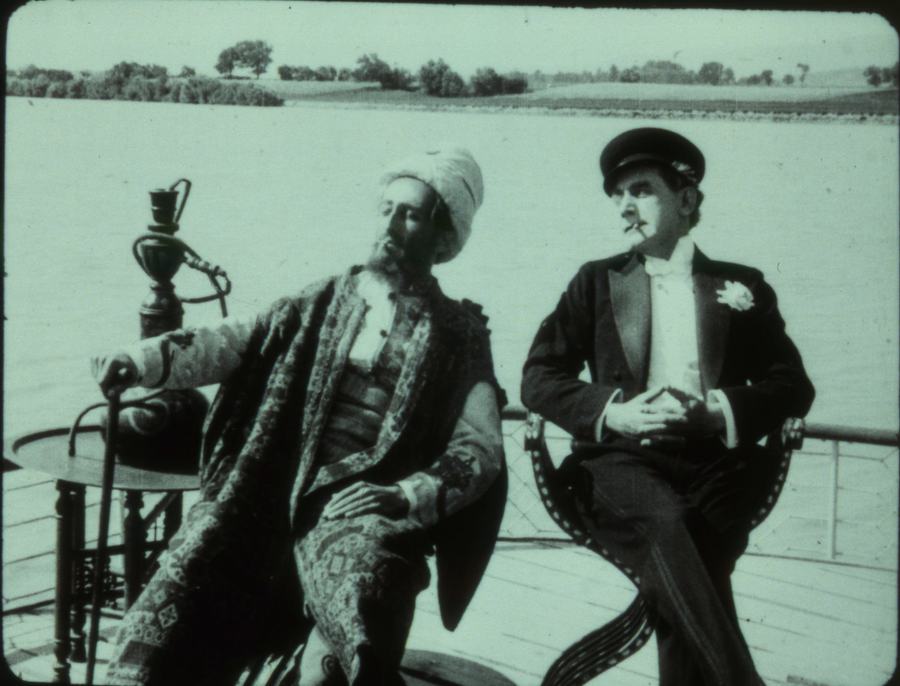
Deutsch-German’s opus sits at the crossroads of German Expressionism and Hungarian decadence, predating the angular nightmares of The Cabinet of Dr. Caligari by two years. Its DNA snakes through The Serpent (1920), where identity is equally fluid, yet the later film lacks Az utolsó hajnal’s visceral compassion for the damned.
Cine-philes tracking proto-noir threads will find antecedents here: chiaroscuro lighting, urban alienation, femme fatales who quote Heine while sharpening hatpins. Conversely, fans of swashbuckling escapism—say A Princess of Bagdad—might balk at the film’s refusal to cathartically resolve sin. Redemption is a currency too debased to circulate in this world.
For decades the sole print languished in a Pésta cellar, vinegar-syndrome gnawing its edges like some metaphysical moth. The 2018 Hungarian Film Archive restoration—4K scans from a 1923 Czech distribution duplicate—reveals textures previously lost: the herringbone weave of Harding’s waistcoat, the opalescent sheen of the Danube at civil twilight. Streaming platforms brand it with the international title The Last Dawn, yet purists crave the original guttural cadence of “Az utolsó hajnal,” words that taste of paprika and doom.
This is not comfort cinema; it is a velvet-lined straight razor. You emerge bruised, exhilarated, suspicious of mirrors. It interrogates the fiction of the self with a rigor that modern multiverse blockbusters feint toward but never face with such unblinking gall. Seek it out at a rep cinema if possible; let the projector’s mechanical heartbeat accompany the onscreen arrhythmia. When the lights rise, you may find your own reflection momentarily unrecognizable—an experience few films dare, fewer achieve.
Grade: A+ for audacity, A for artistry, A- for availability. Let its dusk envelop you.
IMDb 6.3
1934
Community
Log in to comment.