DbcultAccessing Vault...
5.4/10
Senior Film Conservator
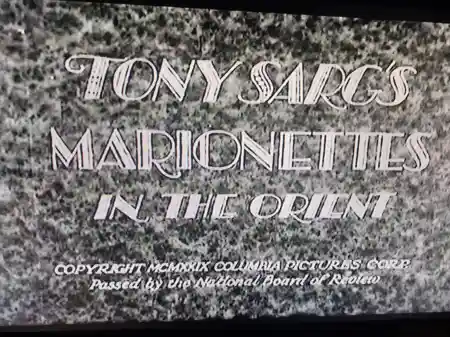
A definitive 5.4/10 rating for a film that redefined the boundaries of cult cinema. Tony Sarg's Marionettes in the Orient remains a cornerstone of transgressive art.
Okay, so, Tony Sarg's Marionettes in the Orient. Is it worth your time today? Look, if you’re a big fan of old-school puppetry, or really into film history, then yeah, sure, give it a shot. It’s a neat little peek back at something. But if you’re hoping for a story or, you know, anything close to modern entertainment, you’ll probably find it pretty… *quaint*, to put it mildly. This is not for everyone, really.
The whole thing is just what the title says: Tony Sarg’s marionettes, doing an “Orient” show. It’s set up like they’re performing for a sultan, who just sits there, watching. You get a few different puppet acts, one right after the other. It’s all so very simple.
The puppets themselves are the real stars. You see these figures, all stringy and kinda wobbly, but they move with this surprising grace sometimes. There’s a belly dancer puppet, of course. She does her little swaying thing, and for a moment, you almost forget it’s just wood and string. *Almost*.
And then there’s the strongman act. This big, beefy puppet comes out and lifts these tiny weights. It’s a classic circus bit, but seeing it done with marionettes, well, it gives it a certain charm. You can tell **a lot** of effort went into making those movements look right.
There's also this snake charmer. The snake puppet is pretty long and it slithers around, hypnotized by the charmer’s flute. Or, rather, the *implied* flute. It's a silent film, remember. You just imagine the music. It makes you think about how audiences back then filled in the blanks, you know?
The “Orient” theme feels… **of its time**. It's a very particular, almost cartoonish idea of the Middle East, all turbans and silks. It's not trying to be authentic, it's trying to be exotic for a 1920s audience. You watch it and you think, “Yep, that's what they thought was 'oriental' back then.” 🧐
Honestly, the sultan character just sitting there, not reacting much? That was kinda funny. He’s just a prop, really, there to give a reason for the show. But his unchanging expression, it’s a bit like watching a kid stare at a screen, totally absorbed but showing nothing.
The whole thing feels a bit like someone just filmed a stage show, which it probably was. There aren’t any fancy camera moves or anything. Just a static shot, letting the puppets do their thing. It’s a good reminder of how early film captured other art forms.
It’s a short little piece, really. It probably doesn't stick with you long after it’s over. But for a few minutes, you get to appreciate the sheer craftsmanship of Tony Sarg. The way those strings are handled, making these inanimate objects come alive, that’s where the magic is. It really is.
Don't go into this expecting a narrative. It's more like a historical curiosity, a glimpse into a bygone era of entertainment. A little simple, yes, but *surprisingly* detailed in its puppet work. Basil Smith, the puppeteer, must of had some patience. That much is clear.

IMDb 6.3
1931
Community
Log in to comment.