DbcultAccessing Vault...
6.5/10
Senior Film Conservator
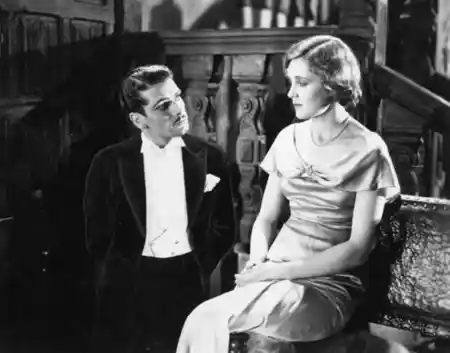
A definitive 6.5/10 rating for a film that redefined the boundaries of cult cinema. Too Many Crooks remains a cornerstone of transgressive art.
Okay, so let's talk about Too Many Crooks. You can't actually *watch* this one today, which is a real shame. It's lost, part of the British Film Institute's "75 Most Wanted" list, and that alone should tell you it's a bit of a historical treasure hunt. If you're into early talkies, the dawn of sound cinema, or just fascinated by what we've lost, you'll find the *idea* of this film endlessly interesting. If you're looking for a Friday night flick to stream with crisp visuals and modern pacing, well, move along. This is a ghost story for film lovers. 👻
The premise itself is just fantastic, isn't it? A regular guy tries to burgle his own safe – what a setup! – only to find a *whole other crew* of pros planning the exact same thing on the exact same night. It’s got that classic screwball energy, even if it might not have been a pure comedy.
Imagine the chaos, the mistaken identities, the sheer awkwardness of that moment. The film's title, Too Many Crooks, is so on the nose it almost hurts. You can practically hear the exasperated sigh from the main character as he realizes his *brilliant* plan is completely undermined by, well, too many crooks. 😂
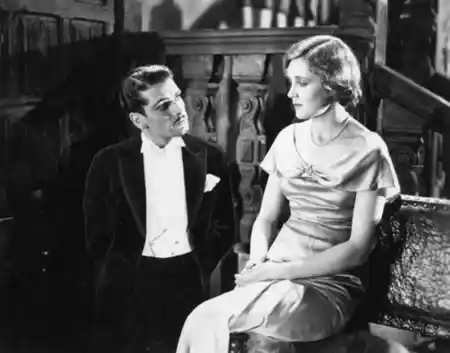
And then there's Laurence Olivier in one of his earliest credited roles. He was only 23! You just *have* to wonder what kind of performance he delivered. Was it already hinting at the legend he'd become? Or was it more raw, less refined?
The thought of seeing him in this early, perhaps slightly clumsy, stage of his career is incredibly appealing. I mean, to see *that* Olivier navigating a comedy of errors with two sets of burglars... it's a tantalizing thought.
The cast around him, names like A. Bromley Davenport and Dorothy Millette, they were working actors of the period. You picture them in these slightly stiff, early sound film performances, finding their footing with the new tech. The cameras were probably pretty static, locked down to capture sound, making the acting perhaps more theatrical than cinematic. That's just how things were then.
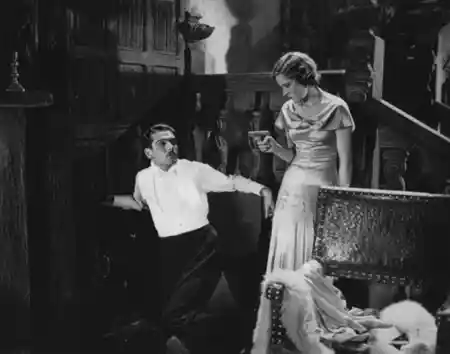
It's really the double-burglary angle that sticks with you. It sounds like something straight out of a classic British farce. The kind of plot where everything goes wrong in the most hilariously inconvenient way.
Thinking about it, the specific moment where the amateur crook comes face-to-face with the professionals trying to crack *his own safe*? That's the money shot, isn't it? The central gag. The whole movie would hinge on that interaction, I bet.
How did they stage it? What was the dialogue like? Was it a jump scare? A quiet, stunned realization? *The possibilities!*
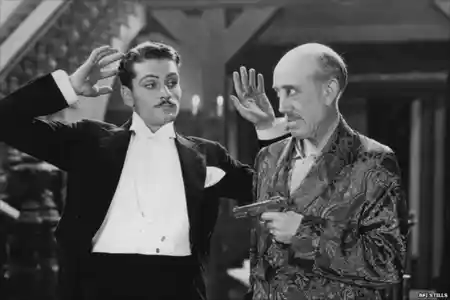
It's a shame. A real shame that films like this just vanish. It reminds you how fragile cinema history is. We talk about masterpieces, but sometimes it's these smaller, curious films that offer a truer peek into an era. This isn't some grand epic; it's a clever little premise from 1930.
I always wonder about the small details. Like, what kind of safe was it? Was it a clunky old iron one, or something more modern for the time? Did the professionals have fancy tools, or were they just using old-school picks and drills? These are the things you think about when a movie is lost and only its bones remain.
It's not just a film, it's a missing piece of the puzzle. A piece that features a very young Laurence Olivier, no less. If it ever turns up in some dusty archive, maybe in someone's attic, it would be *huge*. Until then, we can only imagine the delightful mess that was Too Many Crooks.
So yeah, while you can't *watch* it, you can definitely appreciate what it represents. A lost gem, waiting to be found. Here's hoping one day. 🙏
IMDb —
1921
Community
Log in to comment.