DbcultAccessing Vault...
Cult Review
Senior Film Conservator
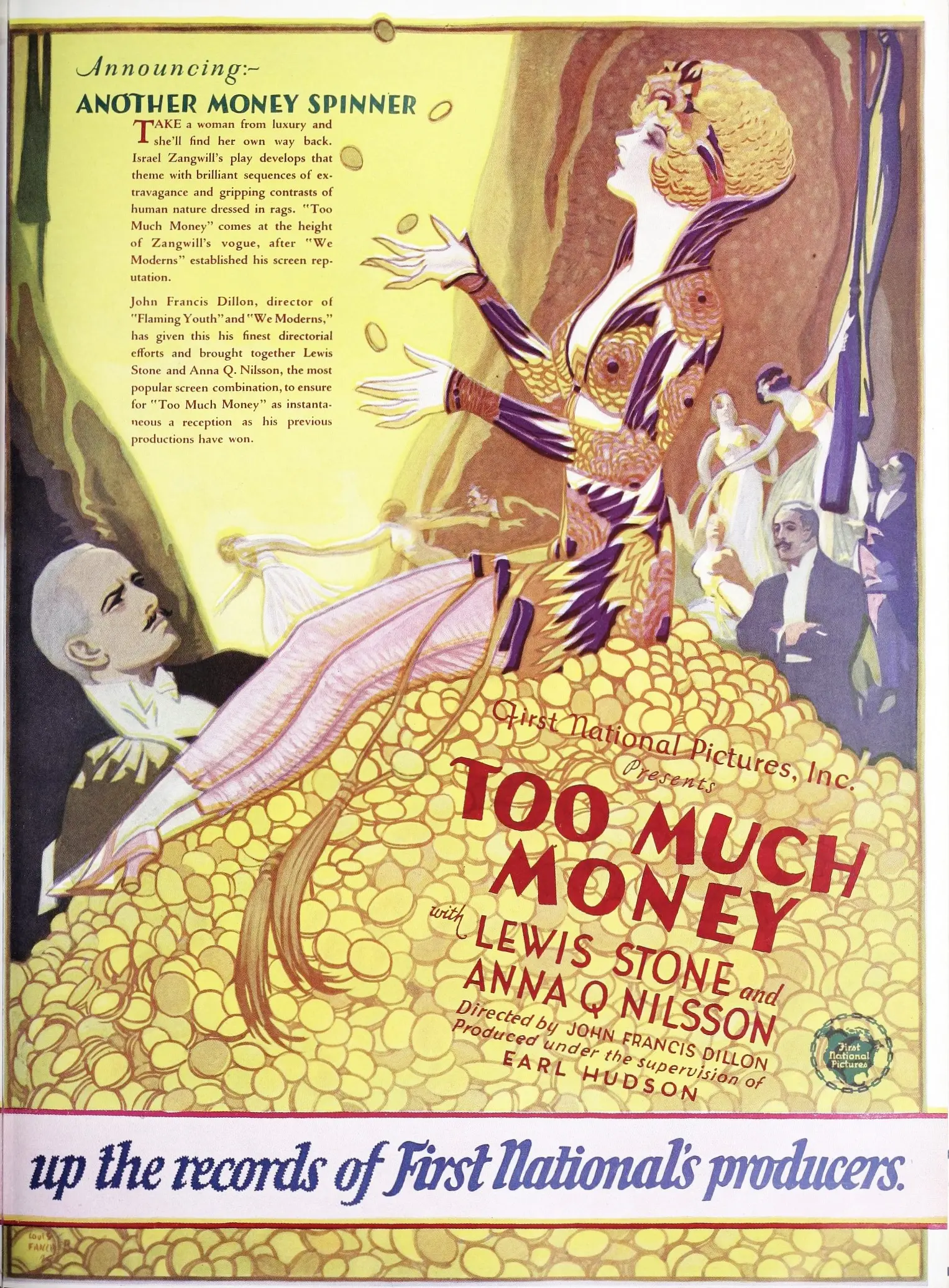
Is this film worth watching today? Short answer: No, unless you are a dedicated historian of the silent era or a fan of 1920s domestic farces. It is a curious relic of its time, but it lacks the universal comedic timing that makes contemporaries like Keaton or Chaplin endure.
This film is for viewers who enjoy exploring the gender politics of the Jazz Age and the 'New Woman' archetype. It is absolutely not for those who require a fast-paced narrative or a consistent tone, as the movie shifts awkwardly between a marriage comedy and a crime thriller.
This film works because it taps into a universal anxiety about wealth and authenticity. Robert Broadley’s decision to fake poverty is a classic trope, but in the context of 1926, it felt like a direct commentary on the exploding consumerism of the decade. The film attempts to ask if love can survive without the padding of silk and servants.
This film fails because it doesn't trust its own premise. Instead of staying grounded in the emotional stakes of the marriage, it pivots into a convoluted subplot involving a crooked friend. This shift feels like a lack of confidence in the domestic drama, resulting in a narrative that feels disjointed and eventually, exhausting.
You should watch it if you want to see Anna Q. Nilsson at the height of her expressive powers. Her transition from a pampered socialite to a woman facing (fictional) ruin is the most compelling element of the entire production.
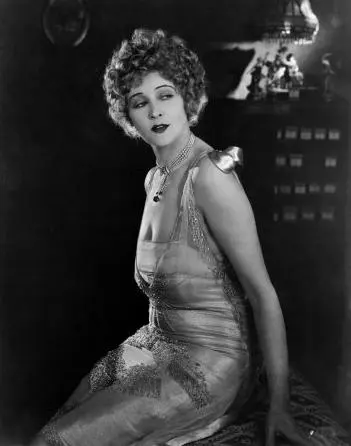
The writing credits for Too Much Money include names like Israel Zangwill and Ralph Spence, which suggests a pedigree of wit that doesn't always translate to the screen. Zangwill, a playwright known for his social commentary, likely provided the backbone of the 'fake poverty' scheme, but the inclusion of gag-men like Spence indicates a desire to keep things light. This 'too many cooks' approach is visible in the final product. The film often feels like two different stories competing for screen time.
One moment, we are watching a nuanced portrayal of a marriage in crisis, similar to the themes explored in The Other Woman. The next, we are thrust into a crime caper that feels like it belongs in a different reel. For instance, the scene where the 'crooked friend' first suggests a real robbery undercuts the psychological tension established in the opening act. It’s a jarring transition that the director, Dustin Farnum, struggles to smooth over.
Anna Q. Nilsson is the glue holding this erratic film together. While Robert Cain as Robert Broadley plays the 'frustrated husband' with a somewhat stiff, theatrical intensity, Nilsson brings a sense of modern nuance to the screen. In the sequence where she is told they are penniless, she doesn't just resort to histrionics. There is a moment of genuine, quiet shock that feels remarkably grounded for a 1926 silent production.
Compare her performance here to the more heightened melodrama found in The Moral Sinner. Nilsson understands that the camera captures the thought behind the eyes, not just the movement of the limbs. Her ability to portray a character who is both annoying in her extravagance and sympathetic in her vulnerability is the only reason the film remains watchable.
Visually, the film is standard for the mid-20s. The set design for the Broadley mansion is opulent, effectively establishing the 'too much' of the title. However, the cinematography lacks the experimental flair seen in other films of the era, like The Dream Cheater. The lighting is flat, and the camera remains mostly static, relying on the actors' blocking to create depth.
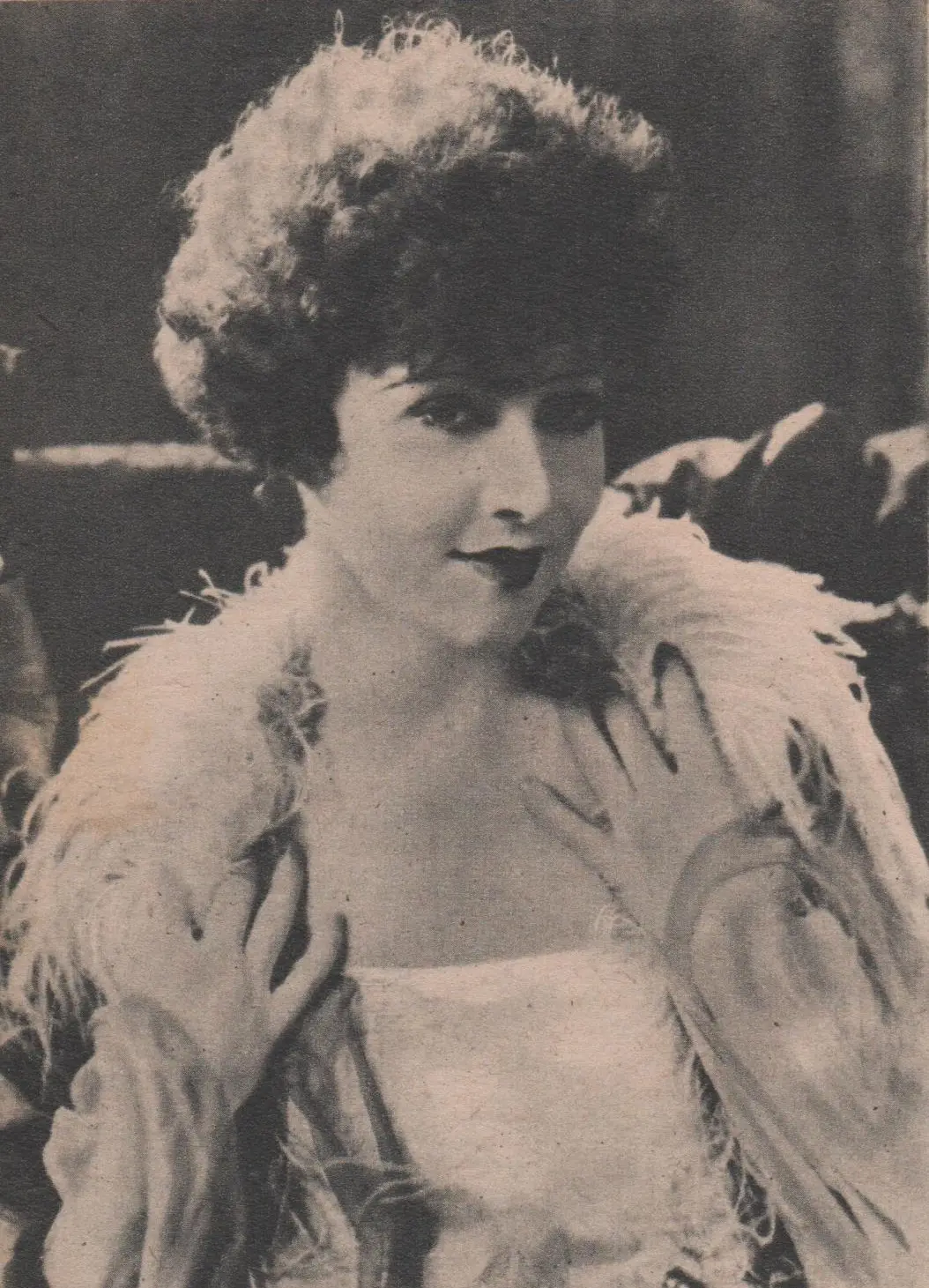
The pacing is where the film truly stumbles. The setup of the bankruptcy takes up a significant portion of the first half, which would be fine if the second half paid off that investment. Instead, the introduction of the criminal element slows the momentum. Every time we want to see how the couple is adapting to their new 'poverty,' the film pulls us away to focus on the machinations of the crooked friend. It’s a classic case of a script that doesn't know what its best feature is.
For the average modern viewer, Too Much Money is a difficult recommendation. It lacks the iconic visual language of the German Expressionists or the high-octane thrills of early adventure films like The Island of the Lost. It is a middle-of-the-road studio product from an era that was producing much more exciting work.
However, for those interested in the evolution of the domestic comedy, it offers a fascinating look at how 1920s cinema viewed the 'battle of the sexes.' The idea that a husband must trick his wife into being a 'good' partner is a trope that has, thankfully, aged poorly, but seeing it play out in 1926 provides valuable cultural context.
When placed alongside other 1926 releases, Too Much Money feels safe. It doesn't have the grit of Just Off Broadway or the heart of His Father's Son. It’s a film that was designed to be consumed and forgotten, a 'programmer' that filled theaters but didn't push the medium forward. Even the inclusion of Lewis Stone, a reliable character actor, feels wasted in a role that doesn't give him enough room to breathe.
One surprising observation is the film's cynical view of friendship. The 'crooked friend' isn't just a plot device; he represents a deep-seated fear of the era—that in the pursuit of wealth, everyone is out for themselves. This cynicism is far more interesting than the central romance, yet the film treats it as a secondary concern. If the movie had leaned into this darker, more satirical edge, it might have been a minor classic.
Too Much Money is a film of missed opportunities. It has a solid premise and a capable leading lady, but it gets lost in the weeds of its own plot. It works. But it’s flawed. It is a piece of cinematic history that is more interesting to talk about than it is to actually watch. If you find yourself with an afternoon to kill and a deep love for the silent screen, give it a look. Otherwise, there are far better ways to spend your time—and your money.
"A muddled attempt at social satire that is saved from total obscurity only by the grace of its leading lady."
IMDb —
1931
Community
Log in to comment.