DbcultAccessing Vault...
6.1/10
Senior Film Conservator
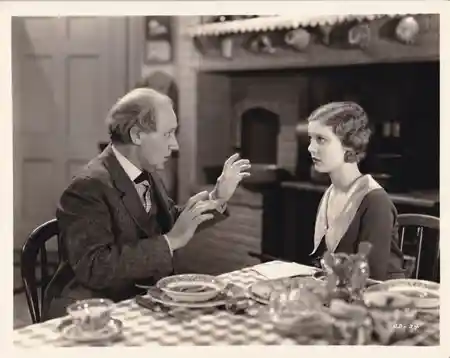
A definitive 6.1/10 rating for a film that redefined the boundaries of cult cinema. Too Young to Marry remains a cornerstone of transgressive art.
If you have about an hour to kill and you don't mind a lot of shouting, you should probably give this a look. It’s perfect for anyone who loves early 30s talkies where the actors haven't quite figured out how loud to talk yet.
But if you can't stand characters who nag for sixty minutes straight, you should stay far, far away from this one. Seriously, it might raise your blood pressure.
The whole thing is basically about a mom who thinks she knows everything. Emma Dunn plays the mother, and boy, she really goes for it. She’s like a human megaphone with a grudge against happiness.
She spends every single second bossing around her husband and her daughter. The daughter is played by Loretta Young, who is so incredibly young here it's almost distracting. She has those giant eyes that look like they’re about to leak tears at any second.
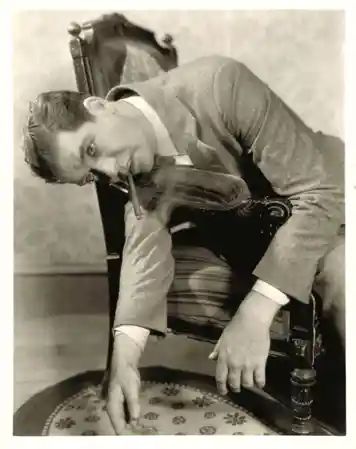
Loretta wants to marry this guy named Bill who works at a grocery store. Grant Withers plays him, and he looks like he’s wearing about five pounds of hair grease. Fun fact, they actually eloped in real life around this time, which makes their scenes feel a little bit more real.
There is a scene in the grocery store where they’re talking about their future. The shelves in the background are stacked so neatly it’s almost creepy. I found myself staring at the labels on the cans instead of listening to the dialogue.
Bill is just a regular guy, but the mother thinks he’s a loser. She wants someone with more money, or maybe just someone she can control better. It’s the classic "overbearing parent" plot, but dialed up to eleven.
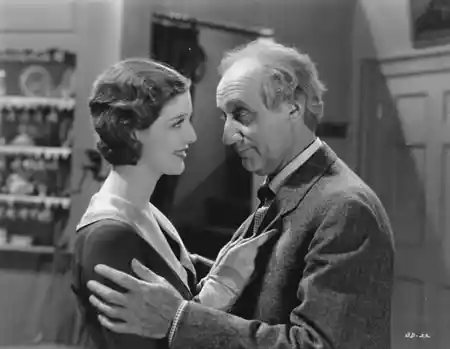
O.P. Heggie plays the dad, and he is honestly the best part of the movie. He has this defeated look on his face the entire time. You can tell he’s just waiting for the day he can finally have a quiet cup of coffee without being yelled at.
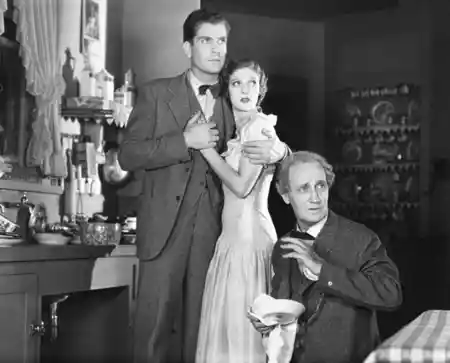
He has this little mustache that twitches when he’s nervous. It happens a lot. I started counting how many times he looked at the door like he was planning an escape.
The movie is based on a play, and you can really tell. Most of it happens in like two rooms. It feels a bit cramped, like everyone is standing too close to each other.
Sometimes the sound quality gets a bit fuzzy. It was 1931, so the technology was still a bit clunky. You’ll hear this low hum in the background of the quiet scenes, but there aren't many quiet scenes.
There’s a moment where the mom is throwing a fit about a wedding dress. She’s waving her arms around and almost hits a lamp. I think the actress actually got a bit carried away there.
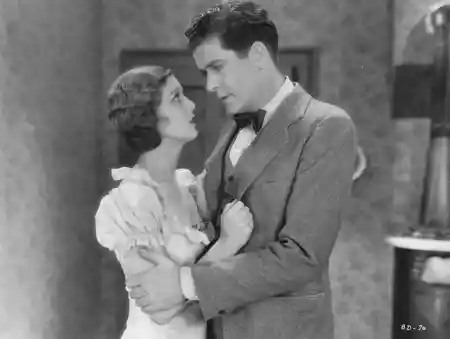
It’s not as polished as something like Behind Office Doors which came out around the same time. That one felt a bit more like a real movie, whereas this feels like a recorded stage play. But there's a charm to the messiness here.
The way the characters talk is so fast. They keep stepping on each other's lines. It makes the family fights feel more authentic, even if it's annoying to listen to.
I kept wondering why the daughter didn't just move out earlier. But back then, I guess you just sat there and took it until you got married. It makes the stakes feel a bit higher, even if the problem is just a mean mom.
The movie doesn't really try to be deep. It’s just a domestic squabble that got filmed. If you’ve ever had a relative who wouldn’t stop talking at Thanksgiving, you’ll recognize these people immediately.
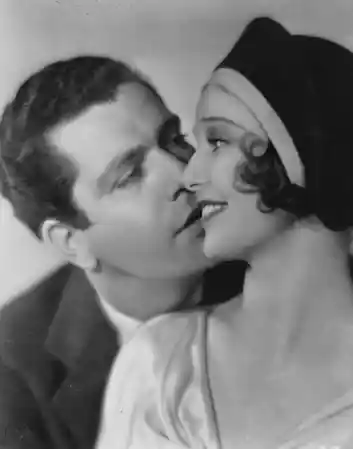
Grant Withers is okay, but he’s a bit wooden. He stands there with his chest puffed out like he’s trying to look tough. Compared to the energy Loretta Young brings, he’s kind of a cardboard cutout.
There’s this one part where the dad finally stands up for himself. The audience at the time probably cheered. It’s a small moment, but Heggie plays it with this tired dignity that really works.
I noticed a weird shadow on the wall during the climax. I think it was a boom mic or maybe just a stage hand. It’s those little mistakes that make these old movies fun to watch.
Is it a masterpiece? Absolutely not. It’s more like a time capsule of how people thought families worked back then. Or how they thought comedies about families should work.
If you've seen Pack Up Your Troubles, you know that early sound films could be hit or miss. This one is a hit if you like drama, but a miss if you want something relaxing.
The ending is exactly what you think it will be. There are no big surprises here. It just sort of stops once the main problem is solved.
I did like the hats, though. Everyone had such great hats in 1931. Even the grocery clerk looks like he’s ready for a formal dinner the way he’s dressed.
One thing that bothered me was how quickly the mother changes her mind at the end. It felt unearned. Like the script ran out of pages so they just had her stop being mean suddenly.
But hey, that’s Hollywood. Or at least, that was Hollywood ninety years ago. It’s a short ride, so even if you hate the mom, you aren't stuck with her for very long.
Worth a watch for Loretta Young fans. She’s the only reason this thing stays afloat. She has this way of making even the dumbest dialogue sound like it matters.
Just maybe keep the volume down a bit. Your ears will thank you.
IMDb —
1929
Community
Log in to comment.