DbcultAccessing Vault...
Cult Review
Senior Film Conservator
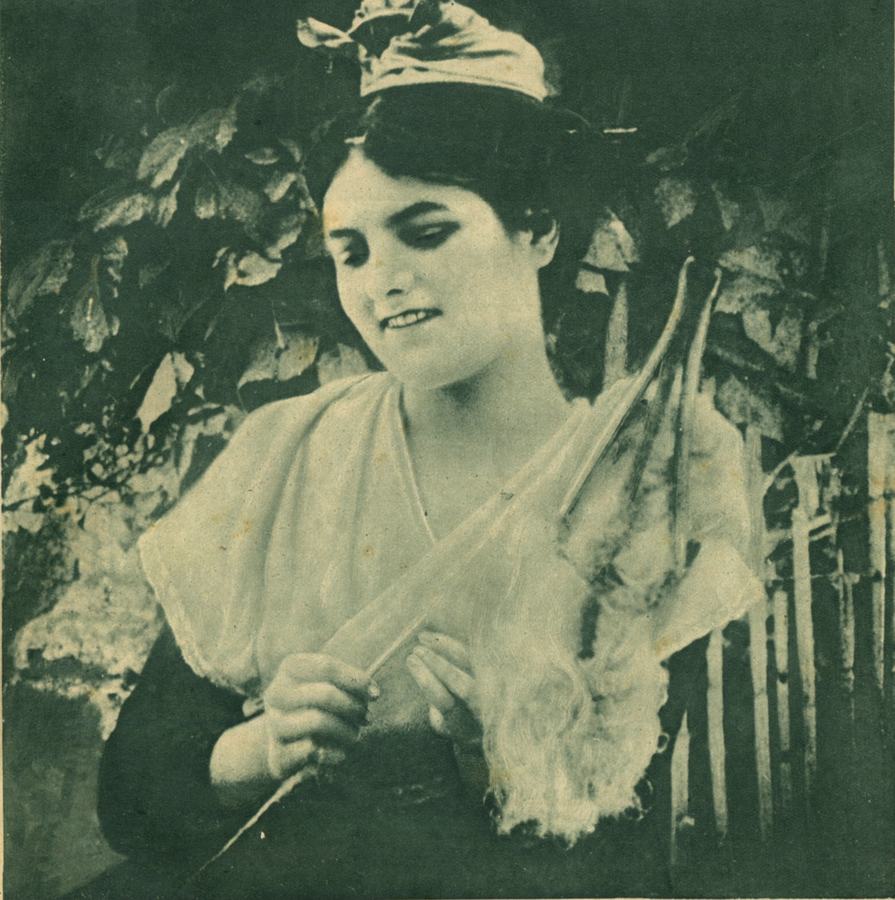
Provence has never looked this thirsty. Cinematographer Carlo Berthosa drenches every frame with a saffron heat that makes the lavender bend and the limestone glow like backlit bone. When Mireille sprints across the salt flats, her veil a comet tail against the iodine sky, you taste the brine on your tongue. The film’s grammar is elemental: wind whips garments into calligraphy, shadows pool like spilt wine, and close-ups of Angèle Pornot’s eyes—two onyx beads refusing to blink—speak louder than any 1922 intertitle dares.
Yet beneath the pictorial rapture lurks a savage economy. Directors Mistral and Servaès prune the narrative vine so ruthlessly that an entire crusade happens off-camera, relayed only by a scar across Joë Hamman’s cheek. This elliptical sting forces viewers to stitch trauma themselves, a gambit most contemporary spectacles (yes, even the muscular The Sea Master) shy away from. Silence here is not absence but pressure: every withheld detail compresses emotion until it detonates in the final reel.
Pornot’s Mireille is a tremor masquerading as stillness. Watch the moment she learns of her betrothal: pupils dilate, breath hitches, yet the corset stays immaculate—discipline as defiance. Later, when nomadic slavers barter her for a bolt of indigo, she barters back with nothing but a song, hushed and half-remembered, threatening to expose their smuggling routes. The scene should feel implausible; instead it sings, because Pornot convinces you that conviction itself is currency.
Hamman’s Vincent, by contrast, is all forward momentum, shoulders squared like a capital column. His tragedy is architectural: the higher he builds the cathedral, the further heaven recedes. In one heart-flaying shot, he chips at a capital while Mireille, unrecognized, hauls water below; stone dust drifts down like gray snow across her hair, a baptism of estrangement. Neither performer gestures extravagantly—they trust the monumental framing to amplify micro-shifts of gaze, a restraint later erased in the more histrionic What’s Wrong with the Women?
Mistral’s dialogue intertitles, adapted from his own Nobel-lauded epic poem, read like psalms soaked in absinthe. “Love is a scorpion that stings itself to feel alive,” declares one card, superimposed over a shot of the lovers’ silhouettes writhing in a half-built nave. The line is overwrought on paper; onscreen, flanked by flickering votive candles, it lands like prophecy. The writers seed motifs with herbal precision: rosemary for remembrance, almond blossom for premature death, cicadas for the eternal con of summer. By the time Mireille crushes a sprig of dried thyme beneath her heel in the penultimate scene, the herb has become a thesaurus of everything lost.
Comparative note: where The Daughter of the People dilutes its folkloric symbols into patriotic pablum, Mireille lets them ferment into something harsher, more tannic.
Although shot monochromatically, the 2018 restoration tints sequences according to emotional thermometer: amber for nostalgia, cobalt for peril, rose for erotic flicker. Purists howled; I confess the gambit feels apocryphal yet revelatory. When the film flashes sea-blue as Mireille boards the plague ship, her skin assumes an cadaverous pallor, forecasting the living death she will endure. The gambit recalls the lurid palettes of A Sister to Salome but deploys hue as moral indictment rather than mere spectacle.
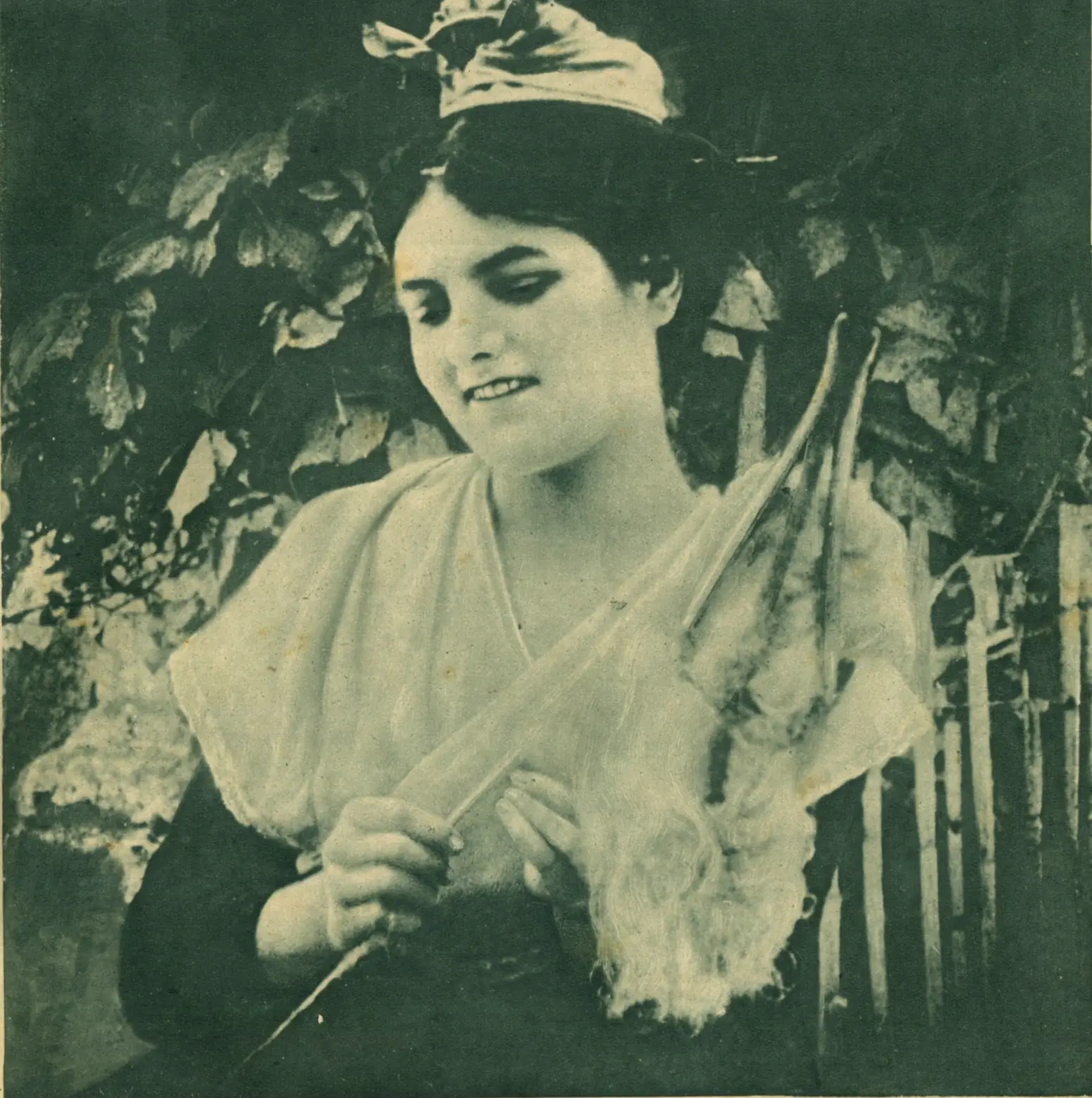
Camera movement is almost nonexistent—tripod shots dominate—yet Berthosa achieves kinesis through chiaroscuro skirmishes. Torches in night scenes strobe across faces, turning cheekbones into cliffs of light. Shadows advance like infantry; you half expect them to bayonet the viewer. The immobility of the lens paradoxically intensifies the volatility within the frame, a lesson later forgotten by the roving, seasick camerawork of The Tide of Death.
The original score, performed live in 1922 by a twelve-member ensemble, is lost. Contemporary festivals commission new accompaniments—harpsichord riffs, electronic drones, even Provençal polyphony. I attended a rooftop screening with a trio wielding nyckelharpa, frame drum, and whispered vocals. The texture was Nordic, anachronistic, yet it worked: the scraping horsehair evoked wind across the Rhône delta, the drum mimicked Mireille’s panicked pulse. Silence between notes became a corridor where the audience could wander, eavesdrop on its own memories. Compare this malleability to the locked-in orchestral bombast of Allies’ Official War Review, No. 1, whose stridency leaves no oxygen for private reflection.
Do not mistake Mireille for a proto-feminist tract. The patriarchy wins: the marriage bargain is merely re-inscribed under a different groom, and the community’s forgiveness hinges on her mute acceptance of erasure. Yet within that defeat glints subversion. Mireille’s refusal to name her captors, her choice to walk away unclaimed, constitutes a rebellion against narrative itself—she denies the village the catharsis of reconciliation. The film thus anticipates the more overt gender deconstructions of The Desired Woman by nearly a decade, though without that film’s flapper flamboyance.
The editors employ jump-cuts not as gimmick but as gasps: five years of enslavement elided by a mere splice, a scar traveling from shoulder to wrist between frames. Time becomes a mutilated tapestry rather than polite linearity. This fragmentation infects the viewer with temporal vertigo—you surface from a cut coughing, as though surfacing from drowning. Contrast this with the seamless, cause-and-effect montage of Felix Lends a Hand, whose comedic clarity feels infantile afterward.
Architecture operates as theology made brute. Cathedral spires impale clouds; gargoyles leer at human folly. Vincent’s labor literalizes the absurdity of reaching divinity through accumulation—each block hoisted widens the gulf. In the climactic scene, when Mireille’s marble likeness is hoisted into the tympanum, the crane rope snaps; the statue dangles midair like a hanged woman. The congregation gasps, yet the abbot declares it a miracle of suspension. Thus church authority converts catastrophe into hagiography while the real woman, flesh warm and breakable, exits stage left. The moment is Bunuel-esque in its sarcasm, though predating him by eight years.
Contemporary critics praised the film’s “pastoral grandeur” but scolded its “defeatist cynicism.” One Parisian weekly lambasted the ending as “morally arid,” pining for the restorative justice of Her Lucky Day. Modern cinephiles, weaned on nihilist noir, find the finale refreshingly unvarnished. Festival screenings routinely end in five-minute ovations followed by shell-shocked silence. Viewers stagger to the bar requesting pastis they never finish.
Among 1922’s crop, Mireille stands shoulder-to-shoulder with the maritime fatalism of The Sea Master but surpasses it in philosophical bite. It lacks the populist swagger of A Milk Fed Hero, yet its emotional aftertaste lingers longer, like lavender honey that turns bitter on the back of the tongue. Place it high in the pantheon of rural tragedies, a niche where only the bleak grandeur of The Man from Glengarry offers comparable existential heft.
Some films leave you cheering; others leave you gutted. Mireille does neither. It leaves you standing at the crossroads of your own memory, listening for bells that refuse to ring. You will rewatch not for comfort but for penance, to measure how much forgetting you have accrued since the last viewing. That is the film’s savage gift: it turns nostalgia into a crime scene, love into a cathedral whose doors are bricked shut from the inside. Enter at your own peril, but enter you must—because cinema this ferociously alive refuses to stay silent, even when the projector bulb goes black.

IMDb 4.8
1926
Community
Log in to comment.