DbcultAccessing Vault...
Cult Review
Senior Film Conservator
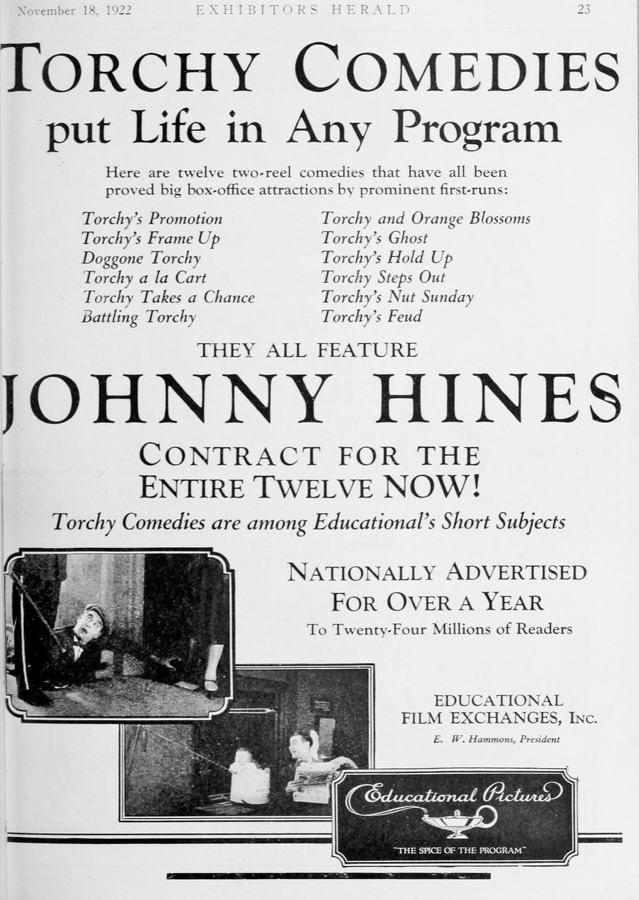
A one-reel wonder clocking in at barely twelve minutes, Torchy’s Frame-Up shouldn’t feel this alive. Yet every sprocket hole seems to exhale nitrate nitroglycerin: a jittery, giddy combustion of small-town libidos and pre-Code insinuations that leaves scorch marks on your retina long after the archive’s lights snap on.
Frank Monroe’s Torchy is no mere newsboy; he’s a narrative anarchist, a kid who treats other people’s hearts like hot type he can rearrange at will. Watch the way he pockets the elopement note—two fingers dart like a card-sharp palming an ace. In that flicker you see the entire film’s ethos: love as sleight-of-hand, destiny as front-page copy.
Director William Beaudine—yes, the same Beaudine who later trafficked in poverty-row quickies—here proves himself a pocket-sized Eisenstein. Cross-cutting between the lovers’ whispered pact and Torchy’s widening grin, he stitches Soviet montage onto Americana kitsch. The result: a dialectic of desire where every shot answers the last with a punchline.
The jalopy chase through corn-rows becomes a stroboscopic ballet: stalks slap the lens like green piano keys, the lovers’ faces flicker between terror and exaltation, while Torchy—perched on the tailgate—waves a stolen corset as victory pennant. No CGI, no drone, just reckless youth and a camera bolted to a plank across a Model T’s running board.
Ford’s intertitles deserve their own wing at MoMA. One card reads: “She had a yen for moonlight and a return ticket to nowhere.” Try finding that sparkle in today’s overwritten rom-coms. Each title card arrives like a match strike against the dark, illuminating faces for half a second—just long enough to read yearning in their eyes before the gag lands.
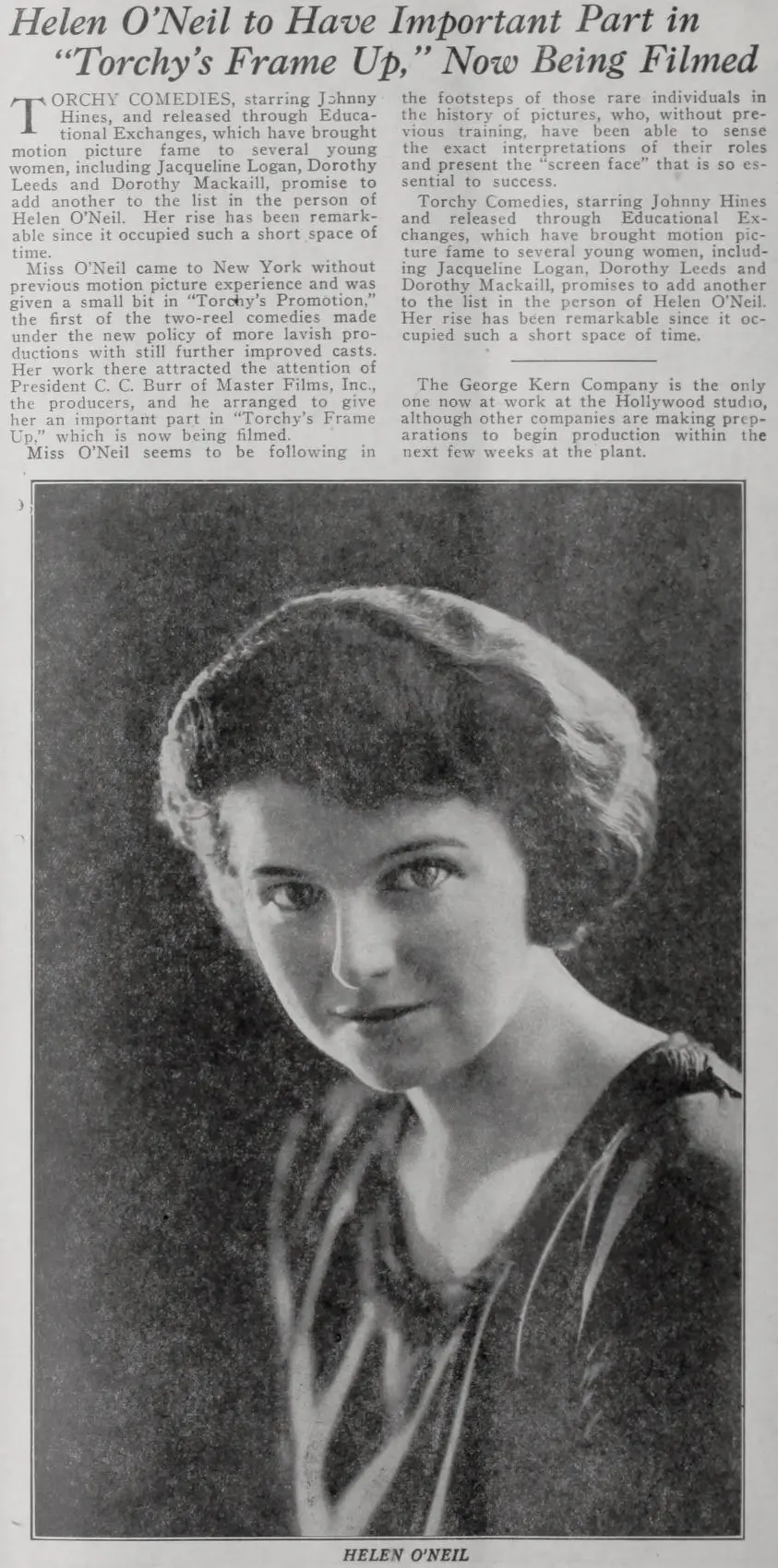
Dorothy Leeds, as the banker’s daughter, toggles between flapper insouciance and Victorian quiver without a seam. Notice how she pockets her gloves—first finger tapping the wrist, a micro-gesture that betrays the arranged engagement she’s fleeing. Compare that to Helen O’Neil’s society vamp in Madame Peacock, where every movement drips malice; Leeds instead weaponizes innocence, turning doe eyes into grappling hooks.
Johnny Hines’s mechanic is all elbows and adam’s apple, a living exclamation point. When he attempts to slide down a hayloft rope, the rope snaps; Hines doesn’t just fall—he unfolds, vertebra by vertebra, into a pile of apology and straw. Buster Keaton would nod in stoic approval.
Most 16-mm prints circulate sans score; I recommend queuing up a ragtime playlist at 1.5x speed. Suddenly the town-square fistfight becomes a xylophone riot; the lovers’ stolen kiss lands on a cymbal crash you swear you hear even in silence. Silence, after all, is just untreated negative space begging for audience complicity.
If you crave more cocktail-hour anarchy, chase this with A Spy for a Day, where espionage meets screwball. Conversely, for a chiaroscuro counterpoint, slip into Secret Sorrow: its Germanic shadows make Torchy’s daylight capers feel like champagne bubbles rising against velvet.
Modern rom-coms drown in algorithmic meet-cutes and algorithmic misunderstandings; they forget that desire is fundamentally anarchic. Torchy—child of newsprint and nickelodeons—understands that the best way to unite two lovers is to hand the steering wheel to chaos and jump clear before the crash. In an age where dating apps quantify attraction into swipe-meat, there’s radical joy in watching a kid derail an entire township for the sake of a stranger’s kiss.
So when the final iris swallows Torchy’s wink, you realize the film’s true coup: it frames you, the viewer, as the next mark. Walk out of the vault, and every street corner feels ready for a benevolent conspiracy. All it needs is someone reckless enough to print tomorrow’s headline before tonight’s moon has the chance to set.
IMDb 6.2
1932
Community
Log in to comment.