DbcultAccessing Vault...
Cult Review
Senior Film Conservator

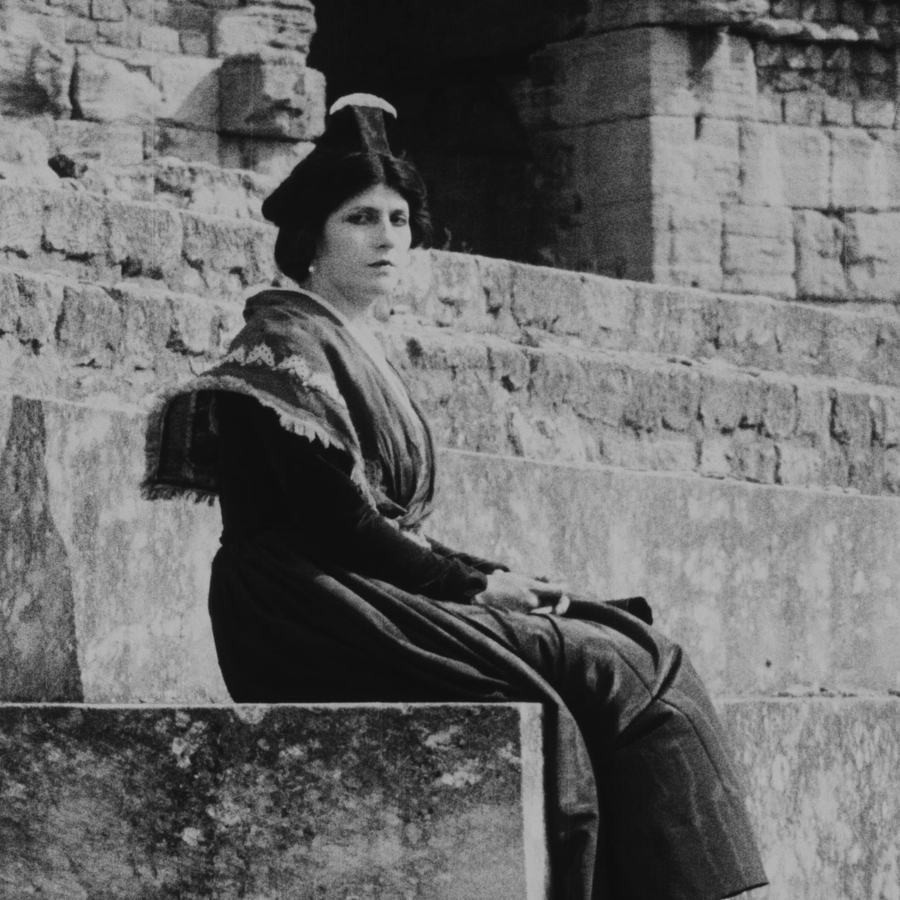
António Pinheiro’s Tragedia de Amor is a powerful narrative that captures the essence of a young woman’s struggle to escape a stifling and abusive environment. At the heart of the film is Maria das Dores, a character whose journey is marked by a relentless quest for freedom and the devastating repercussions of her actions. The film is not a straightforward tale of escape; rather, it is a nuanced exploration of the moral and emotional landscape that follows such a drastic decision.
From the very outset, the film sets a somber tone with its stark imagery and the palpable sense of dread that permeates the story. The relationship between Maria and her abusive father is portrayed with a raw, unflinching honesty that makes the film’s denouement all the more poignant. The father, played with a chilling intensity by António Pinheiro, is a figure of both fear and regret. His actions are not simple acts of cruelty but rather, a reflection of his own inner turmoil and weakness.
Maria, the protagonist, is portrayed with an admirable resilience. Her decision to run away is driven by a desire for safety and a yearning for a better life. However, the film does not present her as a one-dimensional character. The journey she embarks upon is fraught with moral dilemmas and personal sacrifices. The new life she carves out for herself is not as idyllic as she had imagined. She faces a series of challenges that test her resolve and force her to confront the complexities of her situation.
The film’s narrative is structured in a way that mirrors the psychological journey of its protagonist. It is a story that oscillates between moments of hope and despair, between the comfort of familiar surroundings and the uncertainties of a new life. The cinematography, by António Pinheiro, is a visual poem that captures the essence of Maria’s emotional state. The use of muted colors and low lighting effectively conveys the sense of isolation and the weight of her decisions. The score, composed by António Pinheiro, adds to the film’s emotional depth, creating a soundscape that is both haunting and evocative.
One of the film’s strengths lies in its ability to present a multifaceted view of the characters. Maria’s father is not portrayed as a one-dimensional villain but as a flawed individual whose actions are a product of his own past. This complexity adds depth to the narrative and invites the audience to question their own judgments. The supporting cast, including António Pinheiro, brings a level of authenticity to the film that enhances its emotional impact.
Tragedia de Amor is a film that challenges the viewer to confront uncomfortable truths. It is a story that resonates on a deeply personal level, offering a poignant reflection on the human condition. The film’s exploration of familial abuse, personal freedom, and the moral ambiguities that arise in such situations make it a compelling watch for those interested in nuanced storytelling.
While the film is a powerful and moving experience, it is not without its flaws. The pacing can be uneven at times, and the narrative occasionally veers towards sentimentality. However, these minor issues are outweighed by the film’s strengths. The performances, particularly that of Maria, are emotionally resonant, and the film’s artistic vision is a testament to the director’s skill.
A comparison with other films of a similar nature, such as Squire Phin or The Little Intruder, might provide additional context. Both films delve into the themes of personal freedom and the complexities of familial relationships, offering a sense of continuity with Tragedia de Amor. However, Tragedia de Amor stands out for its raw, unfiltered portrayal of its protagonist’s journey.
In conclusion, Tragedia de Amor is a film that demands attention. Its exploration of the human spirit’s resilience and the devastating consequences of familial abuse makes it a compelling watch. While it may not be for everyone, those interested in deeply personal storytelling and raw, emotional narratives will find much to appreciate in this film.

IMDb —
1922
Community
Log in to comment.