DbcultAccessing Vault...
Cult Review
Senior Film Conservator
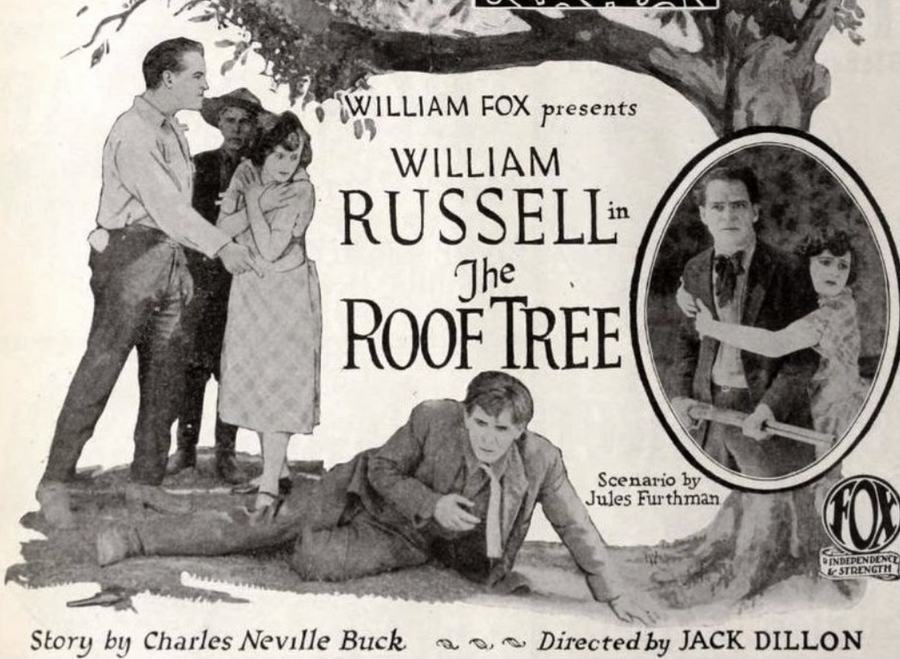
The cinematic landscape of 1921 was a fertile ground for exploring the dichotomy between urban corruption and the perceived purity of the wilderness. In The Roof Tree, directed by the often-underappreciated William Robert Daly, this thematic exploration is rendered with a grit and emotional resonance that transcends its silent-era constraints. The film serves as a pivotal entry in the 'man on the run' subgenre, predating the more polished noirs of the 1940s but possessing an atavistic power that feels remarkably modern in its psychological underpinnings.
At the heart of this narrative is Ken Thornton, portrayed by the stoic and physically imposing William Russell. Russell, who had already established a reputation for playing robust, honorable men in films like Charge It to Me, brings a nuanced vulnerability to Thornton. He is not merely a man fleeing the law; he is a man fleeing the societal expectations of a world that has failed his family. The death of his brother-in-law acts as the inciting incident, but the true conflict lies in Thornton's attempt to excise his past and graft himself onto a new family tree—the eponymous 'Roof Tree'.
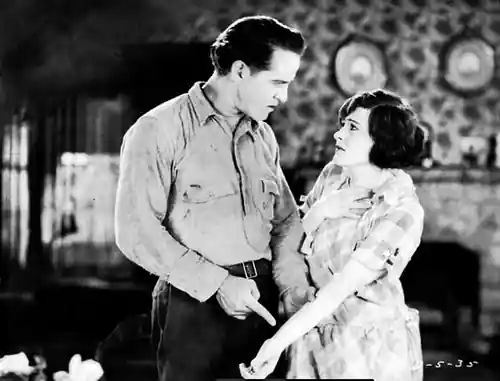
Daly’s direction excels in the transition from the chaotic, implied violence of the city to the deceptive stillness of the mountain community. When Thornton arrives at the Harper homestead, the cinematography shifts to utilize wide, sweeping vistas that emphasize his insignificance against the natural world. This sense of isolation is reminiscent of the atmospheric tension found in Fighting Cressy, yet here it is infused with a domestic warmth provided by the Harpers.
Florence Deshon, as Dorothy Harper, provides the film's emotional anchor. Her performance is a masterclass in silent-era subtlety, avoiding the histrionics common in the period to deliver a portrayal of a woman whose desires are both grounded and aspirational. The chemistry between Russell and Deshon is palpable, moving beyond the standard romantic tropes of the era. Their attraction is presented as a collision of two souls seeking stability in an unstable world, much like the characters navigating social upheaval in The Woman in His House.

No mountain drama is complete without a foil to the hero’s nobility, and Arthur Morrison delivers a chilling performance as the local bully. His obsession with Dorothy is not portrayed as mere lust, but as a territorial claim—a manifestation of the insular mountain logic where women are often viewed as property. This dynamic mirrors the darker social critiques found in Laws and Outlaws, where the formal legal system is frequently superseded by the 'code of the hills'.
The attempt on Thornton's life is a pivotal sequence that showcases Daly’s technical prowess. The use of shadows and the rugged terrain creates a sense of claustrophobia despite the open air. Thornton’s survival is not just a physical victory but a spiritual one; he refuses to revert to the violence that initially drove him into hiding. This restraint marks a significant departure from the more aggressive protagonists seen in contemporary works like Tangled Trails.
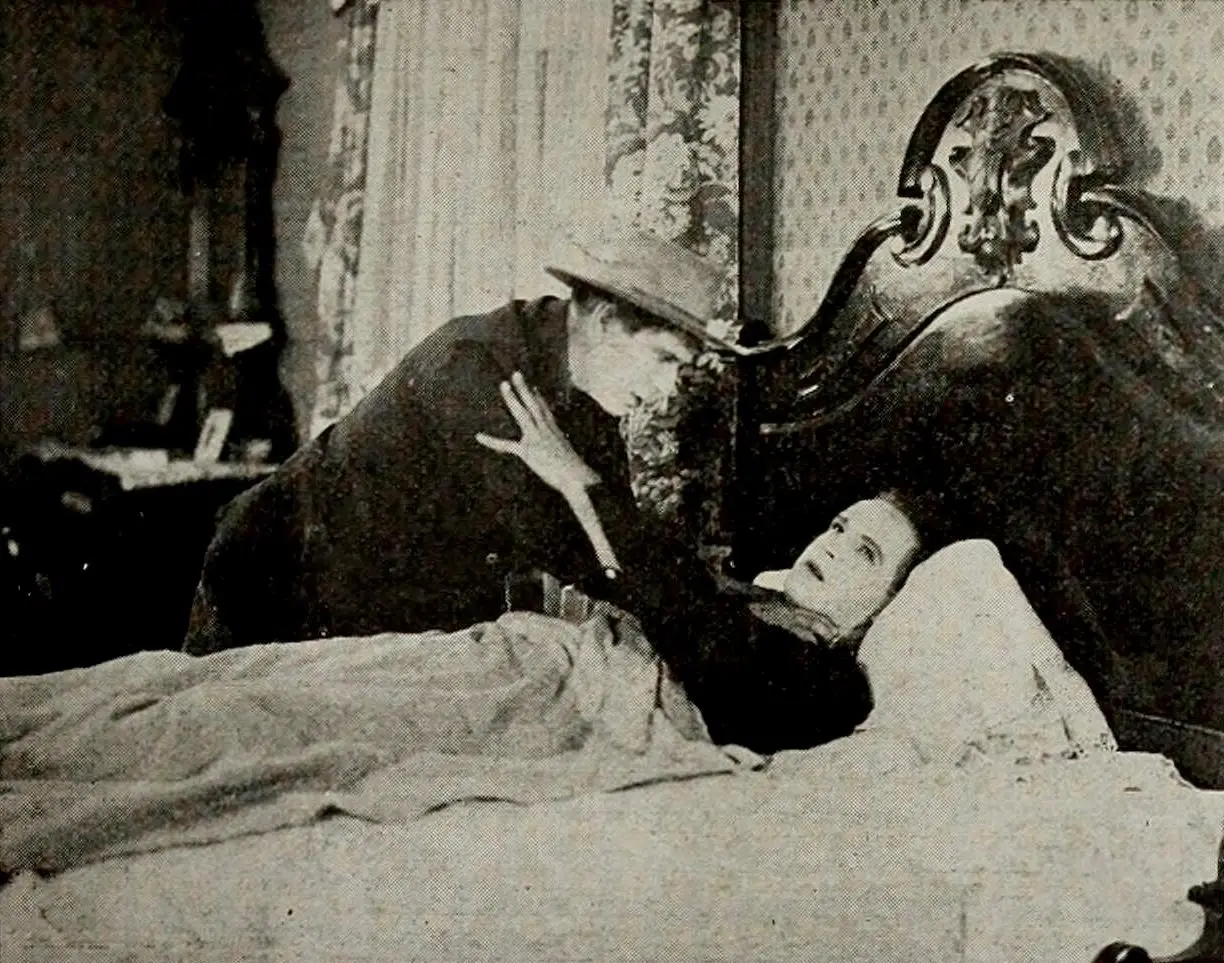
The screenplay, co-written by Jules Furthman, displays early flashes of the genius that would later define Hollywood masterpieces. Furthman, who would go on to write for Howard Hawks and Josef von Sternberg, understands the power of the unspoken. The dialogue cards are sparse, allowing the visual storytelling to carry the narrative weight. This economy of language ensures that the pacing remains taut, avoiding the mid-film lulls that plagued many five-reelers of the time, such as The Dark Star.
The subplot involving Sally McTurk (Sylvia Breamer) and the fallout of her husband's murder serves as a haunting counterpoint to Thornton's mountain idyll. It reminds the audience that the past is a persistent specter. While Thornton builds a new life, his sister remains trapped in the wreckage of the old one. This structural duality adds a layer of tragic irony to the film, elevating it from a standard melodrama to a meditation on the permanence of trauma, a theme also explored with varying degrees of success in A Woman in Grey.
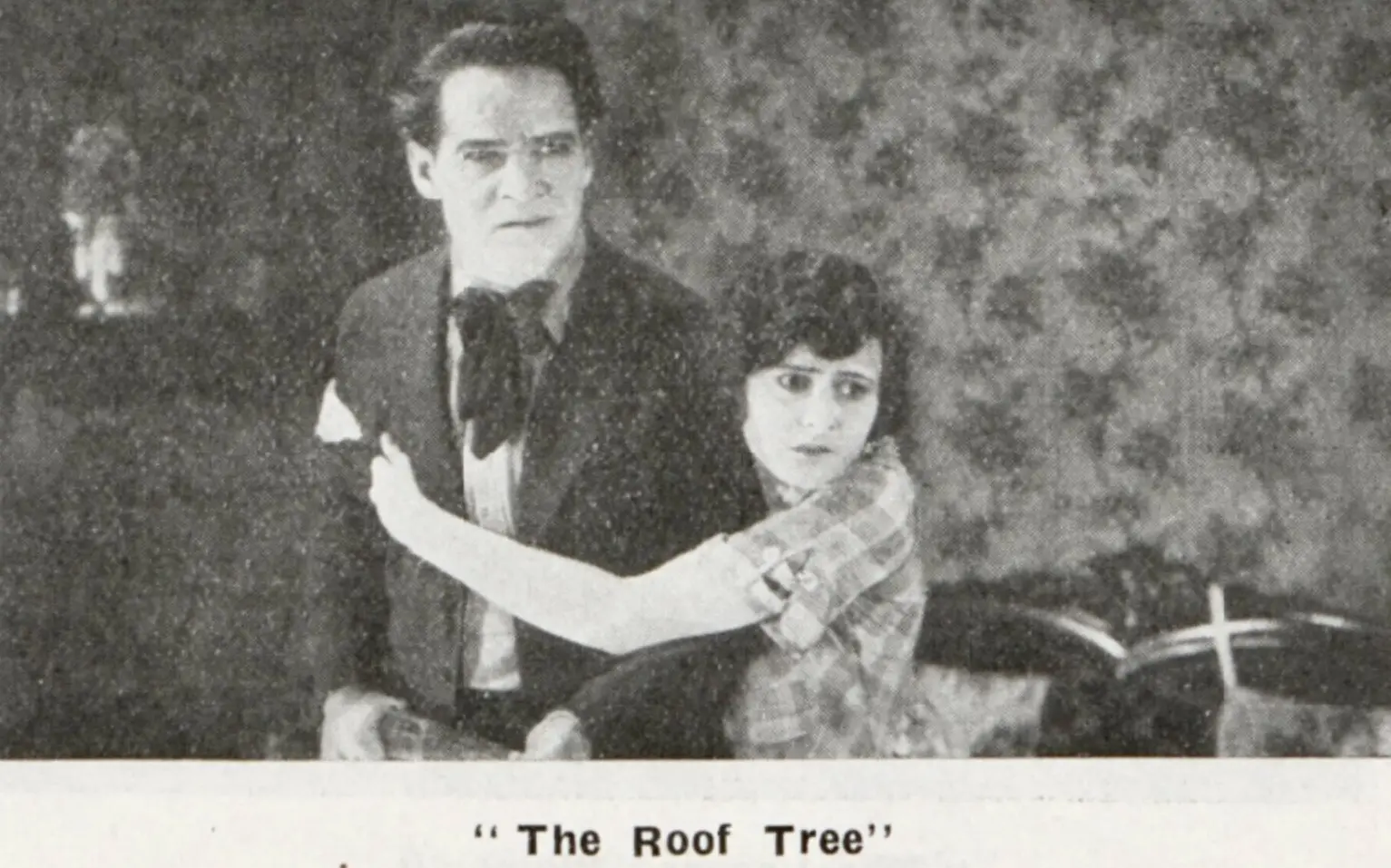
The metaphor of the 'Roof Tree'—the main support beam of a house—is woven throughout the visual tapestry of the film. It represents more than just shelter; it symbolizes the lineage, the family honor, and the stability that Thornton is desperately trying to reconstruct. When the bully attempts to destroy Thornton, he is essentially trying to axe the support of this new life. The visual motif of the forest, both as a place of hiding and a source of construction material, reinforces the idea that nature provides the tools for both concealment and creation.
In comparison to the lighthearted social satires of the era, such as A Bedroom Scandal or Food for Scandal, The Roof Tree is a somber, almost liturgical experience. It demands the viewer's full attention to the nuances of performance and the subtle shifts in the landscape that mirror the characters' internal states. It shares more DNA with the European sensibilities of Godsforvalteren than with the frivolous Hollywood comedies of its day.
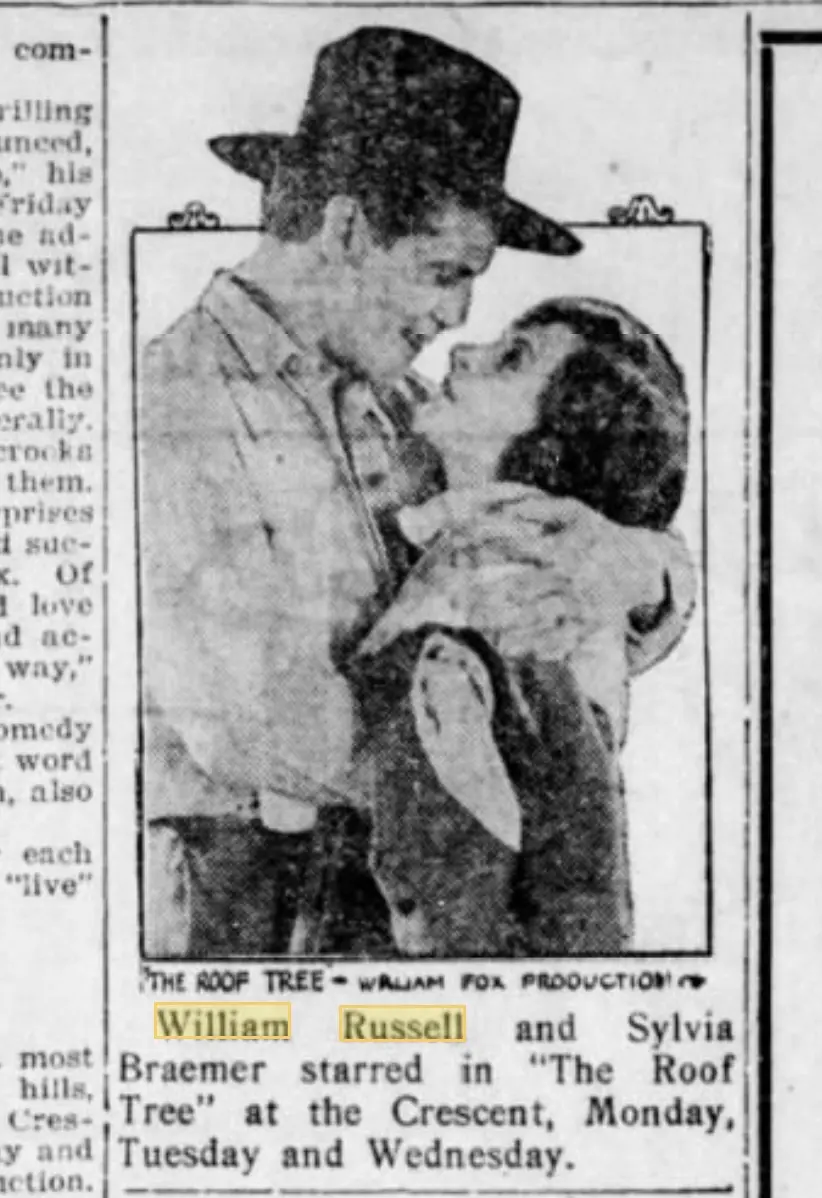
The final act of the film is a masterstroke of tension building. As Thornton's past finally catches up with him, the mountain sanctuary is invaded by the ghosts of his former life. The resolution is not a simple 'happily ever after' but a hard-won peace that acknowledges the scars of the journey. Unlike the somewhat theatrical conclusions of Mrs. Dane's Defense, the ending here feels earned and grounded in the reality of the characters' choices.
The technical restoration of this film (where available) reveals a surprising level of detail in the costume design and set decoration. The Harper house feels lived-in, a stark contrast to the stylized, often artificial sets of The Devil's Wheel. This commitment to realism helps ground the more melodramatic elements of the plot, making the stakes feel personal and immediate.
While The Roof Tree may not have the name recognition of a Griffith or DeMille epic, its influence on the development of the American rural drama is undeniable. It eschews the slapstick energy of Captain Kidd's Kids in favor of a mature, thoughtful exploration of what it means to start over. William Russell delivers perhaps the performance of his career, proving that he was more than just an action star, but a dramatic actor capable of conveying profound inner turmoil.
For fans of silent cinema, this film is an essential watch. It captures a specific moment in time when the medium was beginning to grapple with complex moral questions and more sophisticated character arcs. It is a story of redemption that doesn't shy away from the cost of that redemption. In the end, the roof tree stands, but the forest around it has been forever changed. It is a haunting, beautiful, and ultimately hopeful piece of art that deserves a prominent place in the pantheon of early 20th-century film.
A seminal work of mountain noir that balances romance and suspense with a sophisticated narrative structure. A must-see for those interested in the evolution of the American screenplay and the early career of Jules Furthman.
IMDb —
1919
Community
Log in to comment.