DbcultAccessing Vault...
6.9/10
Senior Film Conservator
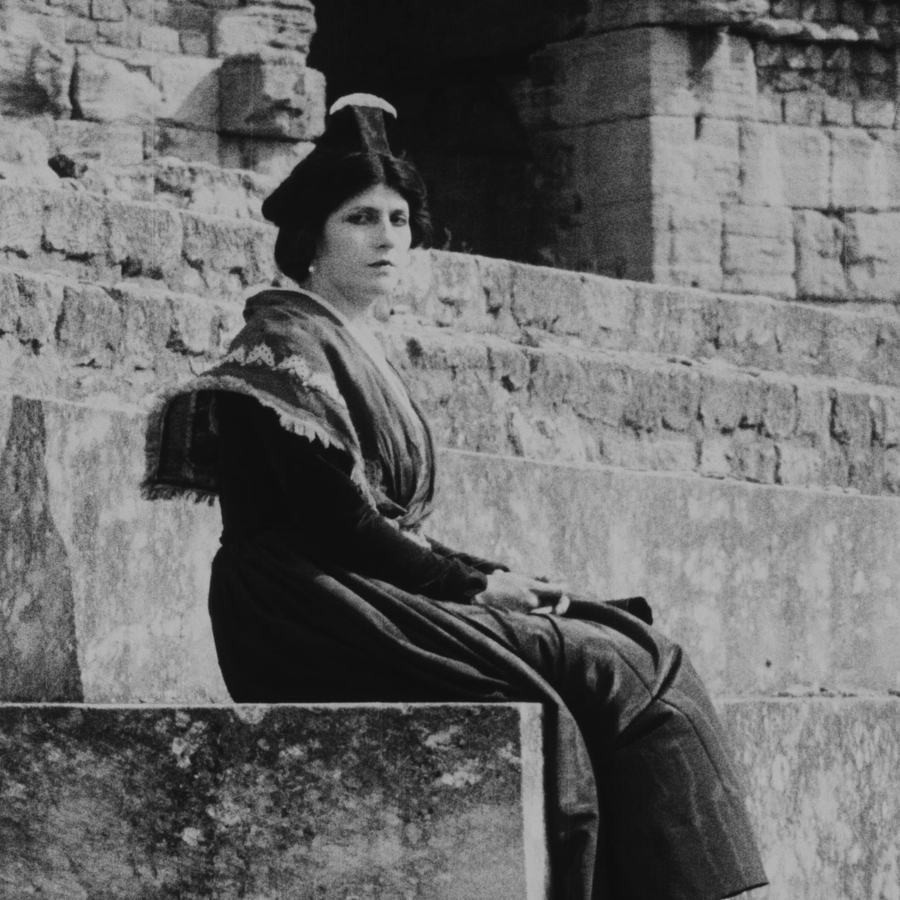
A definitive 6.9/10 rating for a film that redefined the boundaries of cult cinema. L'Arlésienne remains a cornerstone of transgressive art.
A bullet fired in 1890s Arles still ricochets through the skull of anyone who has ever loved an idea more than a human being.
André Antoine’s 1922 screen version of Alphonse Daudet’s stage pantomime L'Arlésienne lands like a shard of that very bullet, sharpened by silence, black & white nitrate, and a musical score that aches with Provençal folk motifs. The film, mercilessly brief at 68 minutes, feels both antique and alarmingly contemporary: a study of incel-like idealization, family gas-lighting, and the lethal moment when erotic fixation collides with masculine honor.
Antoine, better known for his naturalistic stage experiments, treats the Camargue landscape as a co-conspirator. Early shots survey reed marshes silvered by mistral winds; the thatched huts, the roaming white horses, even the dusty church square baked like a clay oven—all become extensions of Frédéri’s feverish psyche. When the camera glides past a procession of gardians (cowboys) in black velvet jackets, you smell the mixture of leather, sage, and distant sea salt. The ethnographic detail rivals any modern location shoot, yet Antoine never slides into postcard prettiness. Every frame vibrates with the uneasy knowledge that beauty here is a packaging for codes of vengeance older than the Roman stones beneath the characters’ boots.
Crucially, L'Arlésienne herself never appears. She is a rumor scented with lavender, a footnote in a letter, a lullaby hummed by off-screen shepherds. By withholding her visage, Antoine weaponizes the audience’s imagination; we become co-dependent dreamers alongside Frédéri. The unseen temptress becomes a mirror for every viewer’s unattainable desire—Hollywood’s later Moonshine would flirt with a similar absent heroine, though in a comic key. The absence also sharpens the film’s gender commentary: women are either worshipped as abstractions or corralled into dutiful marriage, never granted three-dimensional breathing room.
Léon Malavier plays Frédéri with the hollow-chested posture of someone who has already half-vanished into his own fantasy. His eyes, ringed by sleepless shadows, telegraph capitulation long before the script demands it. In scenes with Vivette (Maria Fabris), Malavier’s hands hover like nervous sparrows, afraid to fully alight. Contrast that with Charles de Rochefort’s Mitifio, who enters the narrative with the swagger of a matador granted impunity. Mitifio’s belt buckle catches sunlight like a wink; his grin is an insult. Between these two male poles, Vivette is the collateral glow of warmth the film refuses to protect. Fabris, luminous even under the harsh orthochromatic stock, gives her character a pragmatic tenderness; you sense she already intuits doom but hopes domestic routine might outpace it.
Marthe Fabris, as the matriarch, embodies the provincial paradox: she fears scandal yet engineers it. Her strategy—swap the obsession for a sensible bride—mirrors countless mothers in world cinema, from Life or Honor? to Sweet Daddy. But here the maternal manipulation carries an extra sting because the remedy she prescribes—marriage—feels like a death sentence to her son’s poetic sensibility. Watch how Antoine frames her in doorways, half in domestic shadow, half in searing sunlight: the split lighting literalizes the moral fracture.
Contemporary screenings often accompany the film with a live trio performing Bizet’s incidental score. The juxtaposition is uncanny: Bizet’s melodies were written for Daudet’s original play, yet when paired with Antoine’s images they mutate into something more sinister. The famous "Farandole" becomes a danse macabre as we anticipate Frédéri’s fatal decision. The repetitive motif mirrors the cyclical nature of provincial gossip: the same whispers that once hounded L'Arlésienne now encircle Frédéri, tightening like a noose.
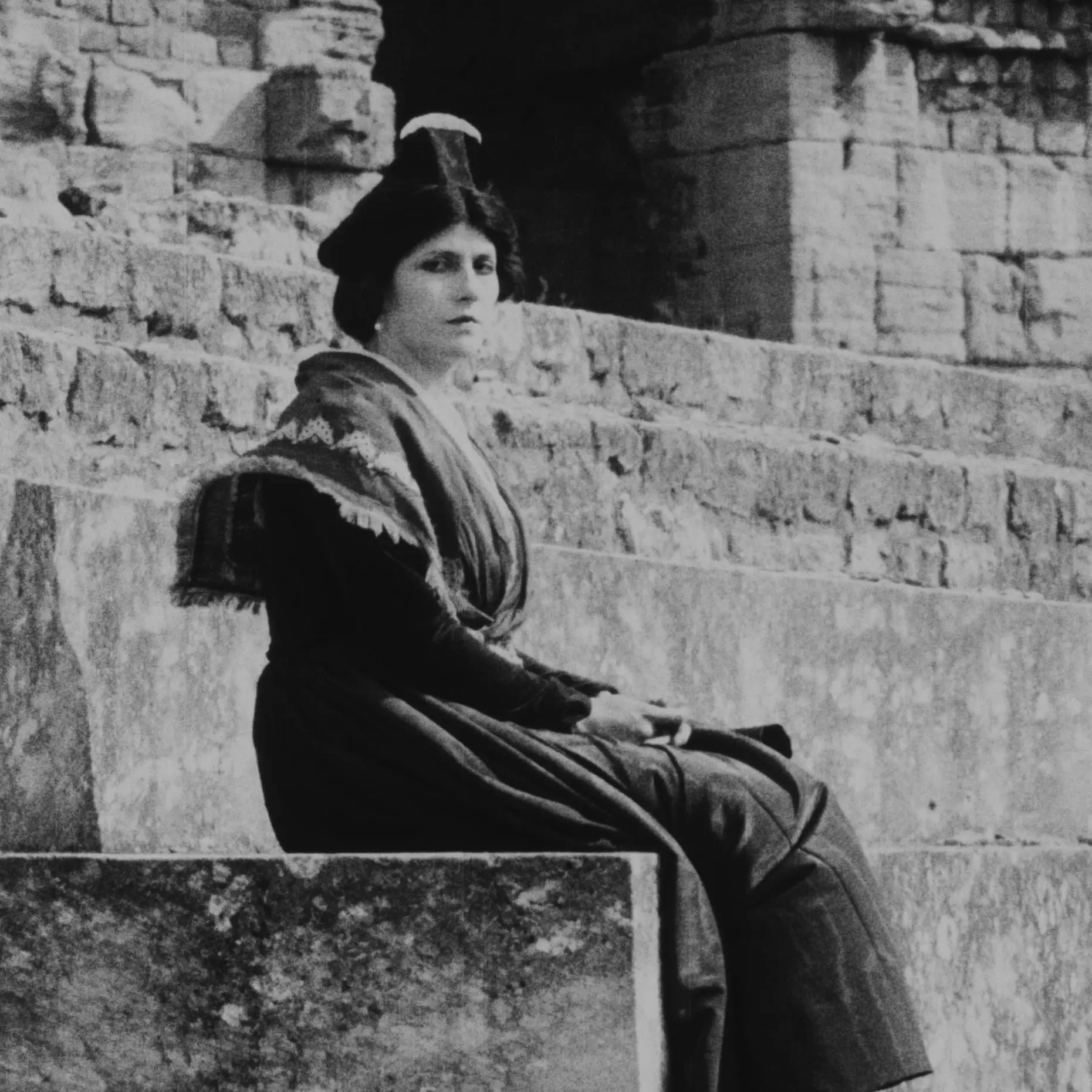
Rapid intercutting between the bullring celebrations and Frédéri’s shuttered bedroom foreshadows the technique Hitchcock would later trademark. Each cheer from the crowd feels like a taunt; each festive firework becomes a rehearsal for gunpowder. The montage crescendos in a match-cut from a crimson carnation crushed under a dancer’s heel to Frédéri’s hand clenching a pistol grip—an image that prefigures the blood-red symbolism of The Evil Women Do by several decades.
What makes L'Arlésienne resonate in an age of dating apps and parasocial crushes is its dissection of male fragility. Frédéri’s suicide is less the result of lost love than of a toxic feedback loop: a culture that equates possession with identity, and equates public humiliation with annihilation. Replace the Camargue ranch with an online subreddit and you have the same lethal cocktail of entitlement, shame, and performative despair. The film anticipates not only film noir’s doomed antiheroes but also today’s headlines of self-harm in the digital square.
Antoine’s treatment of unattainable femininity finds a distant cousin in The Song of the Soul, where a composer idealizes a singer to the brink of madness. Meanwhile the fatalistic marriage subplot reverberates through He Fell in Love with His Wife, though that later film cushions its blows with pastoral comedy. Even the German medical noir Das Tagebuch des Dr. Hart shares L'Arlésienne’s claustrophobic dread, substituting Alpine sanatoriums for Provençal farmhouses.
After years of languishing in archival purgatory, a 4K restoration premiered at Lyon’s Lumière Festival in 2019. Digitized from a nitrate print discovered in a Genoese cellar, the restoration reveals nuances lost for a century: the texture of homespun linen, the glint of a brass crucifix, the faint smile Vivette suppresses when she believes no one watches. Critics compared the revelation to the 2018 rediscovery of A Tray Full of Trouble, though here the emotional payoff is far grimmer.
In France the phrase "faire une Arlésienne" has come to mean promising to appear and never showing up—an idiom born from Daudet’s unseen heroine. Antoine’s film cemented that cultural shorthand while also inspiring countless adaptations: radio plays, ballet sequences, even a 1967 television opera. Yet none capture the raw nerve of the 1922 silent version, where the camera itself seems to inhale the lavender-scented delusion and exhale gunpowder.
Streamers obsessed with bingeable twists will balk at a plot that hinges on a woman who never materializes. That, paradoxically, is why L'Arlésienne demands your attention. It offers no cathartic kiss, no redemptive coda—only the chill recognition that the gravest romances often unfold entirely within the confines of a skull. In an era where algorithms feed us curated fantasies every waking second, Antoine’s 1922 cautionary tale feels less like history and more like prophecy.
Watch it on a hot night when cicadas outside your window echo the film’s distant tambourines. Let the yellow moonlight pool on your floor like the spilled pastis Frédéri refuses to drink. And when the pistol shot arrives, sharp and silent, you may find yourself closing the laptop lid with trembling fingers, suddenly aware of how many of your own desires are addressed to people who exist chiefly in the bandwidth of your imagination.
IMDb —
1919
Community
Log in to comment.