DbcultAccessing Vault...
Cult Review
Senior Film Conservator
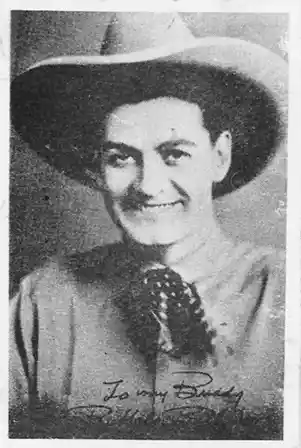
So, you’re curious about Trails of the Golden West? Well, let’s be real. If you’re not already into really old silent Westerns, this one probably isn’t going to change your mind. It's for the folks who love seeing how movies used to be made, or if you're just a completist for early Westerns. Anyone expecting big action or deep characters will likely find it a bit of a slow roll. 🤠
The story itself is classic dusty trail stuff. A bunch of "Forty-Niners" are on their way to California. Among them, we have a family – a girl, her dad, and an older Black servant – who’ve got their entire fortune, family jewels and all, hidden away in their wagon. You know, just casually transporting everything they own across the wild west. What could possibly go wrong?
Of course, trouble brews. One guy in the wagon train, our designated villain, decides he wants that treasure. He teams up with some local Indians, which is a very typical (and very dated) setup for these old films. The plan is to attack the caravan and grab the loot.
But how do you isolate just one wagon in a whole train? Ah, this is where the movie gets wonderfully, almost comically, devious. The bad guy has one of his buddies pretend to have smallpox. 🦠 Seriously, smallpox. And because no one wants that spreading, the rest of the wagon train just... leaves them behind. It’s such a bold, dramatic move for a silent film plot point. You really gotta admire the sheer nerve of it.
So now this family is stranded. And surprise, surprise, the villain and his crew, plus the allied Indians, show up to cause trouble. The family, with our hero leading the main wagon train eventually, has to fight them off. It’s a pretty standard shootout, silent-movie style, with lots of waving arms and dramatic falls.
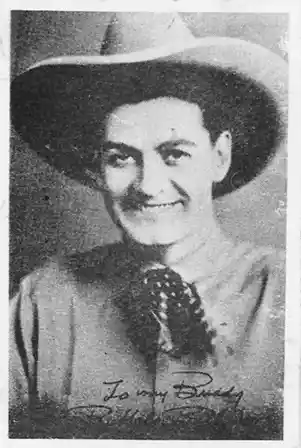
Jay Wilsey, playing the leader of the wagon train, does his best heroic poses. He’s got that classic cowboy look, all stern glances and quick draws. Wanda Hawley, as the girl, is good at looking worried and then relieved. It's what silent heroines did best, after all. George Reed as the old servant, he holds his own too. He really tries to convey a lot with just his expressions.
What struck me was the pacing. For a film from this era, it moves along okay, but those intertitles really break things up. You get a scene, then a title card explaining what just happened or what’s about to happen. It feels like reading a book that occasionally shows you pictures.
The outdoor shots are pretty neat, though. You get a real sense of the vast, open West. Even in black and white, you can feel the dust and the sun. It's a nice glimpse into what California looked like back then, or at least how filmmakers imagined it.
Honestly, the smallpox trick is the part that stayed with me most. It’s so outlandish and specific, yet it completely drives the plot. It’s like a little peek into the kind of wild, almost absurd, storytelling these early movies often relied on. They had to be big to be understood without sound, right?
So, is it a forgotten masterpiece? Nah, probably not. Is it an interesting historical artifact? Absolutely. If you’re into the origins of the Western genre, or just curious about silent film melodrama, give it a watch. Otherwise, you can probably skip it without feeling too guilty. It’s a product of its time, for better or worse. And sometimes, that’s just enough. ✨
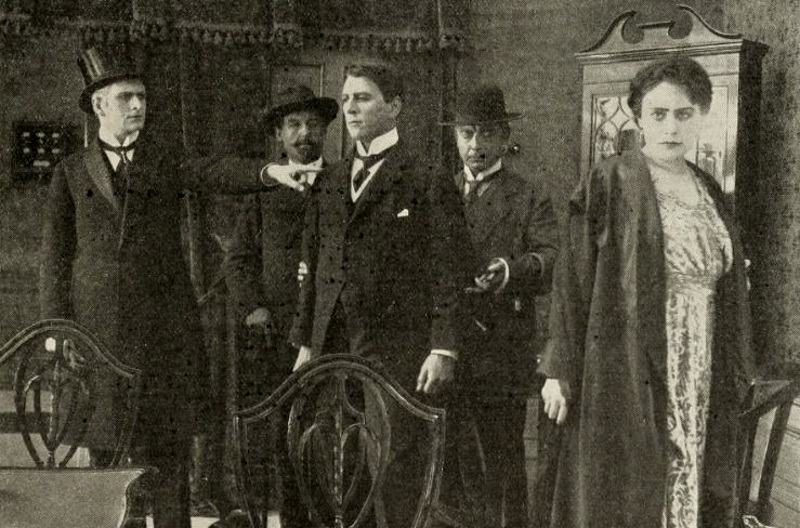
IMDb —
1913
Community
Log in to comment.