DbcultAccessing Vault...
Cult Review
Senior Film Conservator
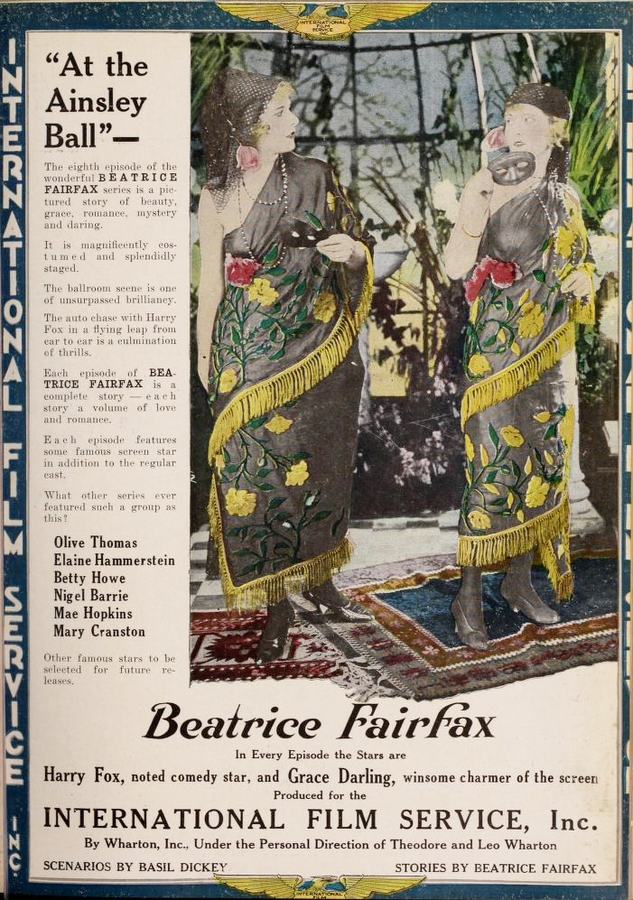
The flickering shadows of early cinema often conceal narratives far more intricate and morally ambiguous than modern audiences might assume. Such is the case with the serials of yesteryear, particularly the Beatrice Fairfax series, a thrilling episodic journey through the darker alleys of human nature and the triumph of astute investigative journalism. In its eighth installment, 'At the Ainsley Ball' (slug: beatrice-fairfax-episode-8-at-the-ainsley-ball), we are plunged headfirst into a swirling vortex of romantic intrigue, avarice, and a masquerade ball gone spectacularly awry. This particular episode, a testament to the enduring appeal of the mystery-thriller genre, showcases the potent blend of suspense and action that kept audiences riveted in the pre-talkie era. It’s a compelling snapshot of a time when cinematic storytelling was still finding its voice, yet already capable of crafting intricate, high-stakes drama.
The narrative unfurls with a cryptic plea, a letter penned by one Robert Wells, addressed to the celebrated advice columnist, Beatrice Fairfax. His query is a classic dilemma of the heart, yet tinged with a palpable sense of urgency: "Is there any way an honest man can prevent his girl from falling in love with a fascinating foreigner?" This seemingly simple question immediately establishes a core conflict, hinting at the societal anxieties surrounding 'outsiders' and their perceived influence, a theme not uncommon in films of the period, albeit often explored with varying degrees of nuance. Wells's anguish is palpable even through the brevity of his written words, setting the stage for the dramatic events that are about to unfold. It’s a testament to the serial’s ability to quickly establish an emotional hook, drawing the viewer into a personal drama that quickly escalates.
Enter Jimmy Barton, the intrepid companion to Beatrice, whose street smarts and connections often prove invaluable. Recognizing the name, Jimmy takes ownership of the letter, a swift move that propels him into the heart of the burgeoning crisis. His visit to Bob (Robert Wells) confirms the worst: Bob is beside himself, consumed by concern over the attention lavished upon his fiancée, Martha Ainsley, by a certain Andre Versale. The silent film medium, relying heavily on exaggerated expressions and intertitles, excels at conveying Bob's agitated state, painting a vivid picture of a man on the precipice of losing his beloved to a charismatic rival. The emotional stakes are immediately clear, amplified by the visual tension between Bob's distress and the unseen threat of Versale.
A subsequent scene vividly illustrates Versale's manipulative prowess as he calls upon Martha Ainsley. Here, the film deftly establishes Versale not merely as a romantic rival, but as a calculated fortune hunter. This archetype, a staple of melodramas and thrillers alike, resonates deeply, tapping into fears of vulnerability and betrayal. Versale has even infiltrated the Ainsley household, establishing an accomplice – Martha's maid – a classic move in the playbook of cinematic villainy. This detail immediately raises the stakes, transforming a romantic entanglement into a full-blown criminal conspiracy. The audience understands that Martha is not just being courted; she is being targeted. The silent portrayal of Versale would have relied on a suave demeanor, perhaps a subtle smirk or an overly attentive gaze, to convey his deceptive charm, making him a compelling, if villainous, figure. His insidious plan to whisk Martha away from a lavish masque ball, scheduled for the very next night, adds a delicious layer of urgency and theatricality to his machinations. This setup, reminiscent of the intricate plots found in contemporary detective stories like those featuring Sherlock Holmes or Monsieur Lecoq, promises a thrilling unraveling of secrets.
With the clock ticking, Jimmy and Beatrice spring into action, securing invitations to the Ainsley ball from a frantic Bob. Crucially, Bob also provides them with a detailed description of the costumes Versale and Martha intend to wear, a vital piece of intelligence that will soon be put to ingenious use. The night of the ball arrives, a spectacle of masked revelers, where identities are fluid and deception reigns supreme. The film brilliantly leverages the inherent anonymity of a masquerade, a setting that has long served as a fertile ground for mistaken identity in literature and cinema. Here, the visual ambiguity is heightened: the two men and two women, their faces obscured by masks, appear strikingly similar in their period attire. This visual parallelism is a clever cinematic device, setting the stage for the pivotal moment of confusion. The film's use of visual cues, even without dialogue, would have been paramount in distinguishing characters and conveying the rising tension. The grand scale of such a ball, even if suggested through limited sets, would have contributed to the atmosphere of glamour and potential danger.
In a stroke of narrative genius, Versale mistakes Beatrice for Martha. The irony is poignant; his carefully laid plan begins to unravel due to the very disguise he sought to exploit. He urges Beatrice, believing her to be his intended victim, to elope, and she, playing her role with remarkable conviction, agrees. This moment is a superb example of dramatic irony, where the audience is privy to the true identities, while Versale remains blissfully ignorant of his impending downfall. His instructions to Beatrice – to proceed to her room, where the maid (his accomplice) awaits to prepare for the hasty departure, jewels in tow – solidify the criminal intent behind his romantic overtures. The film expertly builds tension here, as Beatrice is now in a precarious position, directly confronting the villain's scheme from within. The dramatic weight of this scene is carried by Grace Darling's subtle yet effective portrayal of Beatrice, conveying both her feigned agreement and her underlying resolve. The suspense is almost unbearable as the audience waits to see how Beatrice will extricate herself and turn the tables.
Beatrice, ever the quick thinker, immediately relays Versale's instructions to Jimmy. This rapid exchange of information is crucial, maintaining the brisk pace characteristic of serials. While Beatrice skillfully detains Versale, Jimmy, a man of action, makes his way to Martha's room. The scene that follows is a classic cat-and-mouse, as Jimmy, disguised, attempts to secure the jewels. The maid, initially complicit, grows suspicious as the jewels are transferred into a handbag. Her instincts, perhaps honed by a lifetime of domestic observation, kick in, leading her to tear off Jimmy's mask. The moment of revelation, a shock for the maid, is a visual punch. Realizing she has been duped, she attempts to intervene, but Jimmy, with his typical resourcefulness, overpowers her, seizing the bag of precious gems. This sequence, undoubtedly executed with rapid cuts and dynamic staging, would have been a highlight of the episode, demonstrating Jimmy's physical prowess and quick wit. It's a thrilling sub-plot that adds another layer of danger and excitement to the main narrative.
Having secured the stolen jewels, Jimmy hurries downstairs, delivering the bag to Beatrice. Versale, oblivious to the counter-plot unfolding around him, has completed all his arrangements for the elopement. A fleeting moment of separation proves disastrous: Jimmy leaves Beatrice's side. In his absence, Versale, still convinced he holds Martha, forcefully carries Beatrice into a waiting automobile, despite her struggles. This pivotal moment underscores the vulnerability of the situation and the sheer audacity of Versale's plan. The visual of Beatrice being bodily carried away, her struggles against her captor, would have been a powerful image in a silent film, conveying the urgency and danger without a single word. The immediate aftermath is a scene of utter bewilderment: Jimmy returns to find Martha, not Beatrice, and a horrifying realization dawns – Beatrice, the jewels, and Versale are gone. He quickly informs Martha of Versale's duplicity, shattering her romantic illusions and replacing them with stark reality. The emotional impact on Martha, expertly conveyed through Bessie Wharton's performance, would have been a crucial element here, transforming her from a naive socialite into a woman betrayed. This sudden turn of events injects a fresh surge of adrenaline into the narrative, shifting from a clandestine operation to an open pursuit.
The stage is set for a thrilling chase sequence, a hallmark of early cinematic action. Accompanied by Bob, who is now galvanized by the dual crises of his fiancée's betrayal and Beatrice's abduction, Jimmy and Martha leap into a high-powered automobile. What follows is a wild, adrenaline-fueled ride, undoubtedly a spectacle for audiences of the era. Silent films often excelled at depicting such dynamic sequences through clever editing, varying camera angles, and the sheer force of visual momentum. The relentless pursuit, stretching into the early hours, culminates just at dawn, as they finally catch sight of Versale's car. The imagery of two powerful machines racing across the pre-dawn landscape would have been incredibly evocative, a visual metaphor for the clash between good and evil. This kind of high-stakes chase is reminiscent of the thrilling sequences found in other action-oriented serials or films of the period, such as The Spy, which often relied on similar dramatic tension and physical feats to captivate viewers.
Versale, cornered and desperate, resorts to violence, opening fire on his pursuers. Bob, demonstrating unexpected courage and skill, pushes their car to its limits, driving alongside Versale's vehicle. In a heart-stopping moment, Versale lands a bullet in the front tire of Bob's car, causing it to explode. This dramatic special effect, however rudimentary by modern standards, would have been a shocking and impactful visual for contemporary audiences, raising the stakes to an almost unbearable level. Just as the tire bursts, Jimmy, with incredible agility and daring, leaps from the running board of their car into the flying automobile of Versale. This is a truly iconic action sequence, a testament to the physicality and stunt work that characterized early cinema. The sheer audacity of such a stunt would have left audiences gasping, a moment of pure, unadulterated cinematic thrill. The scene's intensity, even without sound, would have been conveyed through rapid cuts, close-ups of the actors' determined faces, and the dynamic movement of the vehicles.
A fierce battle ensues within the confines of Versale's speeding car. Jimmy, a formidable opponent, finally compels Versale to drop his revolver. In a moment of quick thinking, Beatrice, demonstrating her own courage and resourcefulness, seizes the fallen weapon. As Jimmy subdues Versale, she turns the revolver on the chauffeur, coolly ordering him to stop the vehicle. This powerful image of Beatrice, a woman typically associated with intellectual pursuits, wielding a firearm and taking command, is a striking portrayal of her evolving character and agency. It subverts traditional gender roles of the era, showcasing her as an active participant in her own rescue and the apprehension of the villain. The silent film's emphasis on visual storytelling allows this moment to resonate deeply, highlighting Beatrice's strength and resolve.
With both Versale and his chauffeur apprehended, the two prisoners are bound, and Jimmy triumphantly returns the stolen jewels to Martha. The scene that follows offers a moment of emotional catharsis: Martha, chastened by her ordeal and the stark reality of Versale's duplicity, weeps on Bob's shoulder, promising him she will never flirt again. This resolution, while perhaps a touch moralistic by modern standards, perfectly aligns with the sensibilities of the era, emphasizing fidelity and the dangers of superficial attractions. It serves as a clear lesson learned, a thematic closure to her personal journey within this episode. The emotional resonance of this scene, conveyed through the actors' expressions and gestures, would have provided a satisfying conclusion for audiences who had invested in Martha's plight. Her vulnerability and subsequent realization add depth to her character arc, making her a more relatable figure despite her earlier naivete. The film, in its silent eloquence, allows for a powerful interpretation of Martha's remorse and Bob's comforting presence.
As the dust settles, order is restored. Bob escorts a contrite Martha home, while policemen arrive to take charge of Versale and his accomplice, ensuring that justice is fully served. The film then returns to its central duo: Jimmy and Beatrice, ever the professionals, hurry back to their office. Their adventure, far from being a mere personal escapade, is now fodder for their next column. They sit down to write the story of their night's extraordinary experiences, transforming chaos into compelling narrative. This final scene reinforces their roles as chroniclers of human drama, bringing a meta-textual layer to the serial itself. It reminds the audience that Beatrice Fairfax is not just a character; she is a conduit for stories, an interpreter of the human condition. The ending, brisk and purposeful, leaves the audience with a sense of closure for this episode, while implicitly promising more adventures to come in the ongoing serial.
'Beatrice Fairfax Episode 8: At the Ainsley Ball' is a remarkable piece of early cinema, showcasing the compelling blend of mystery, romance, and thrilling action that captivated audiences. Grace Darling as Beatrice Fairfax embodies a proto-feminist icon, an intelligent and resourceful woman who is both a keen observer and an active participant in solving complex dilemmas. Her partnership with Harry Fox's Jimmy Barton is a delightful dynamic, built on mutual respect and complementary skills. Bessie Wharton's portrayal of Martha Ainsley, initially flighty, undergoes a significant transformation, making her eventual remorse feel earned. Allan Murnane, as the villainous Versale, would have relied on expressive mime to convey his charm and underlying malice, making him a memorable antagonist. The film's strength lies in its tight plotting, its effective use of classic tropes like mistaken identity and daring pursuits, and its ability to convey high drama without spoken dialogue. It's a testament to the ingenuity of silent filmmakers who used every visual tool at their disposal to tell engaging stories.
While comparisons to other serials or stand-alone films of the era are inevitable, 'Beatrice Fairfax' carves out its own niche through its unique premise and compelling characters. The high-octane automobile chase sequence, for instance, could be seen as a precursor to similar thrilling moments in films like The Last Man or even the dramatic climax of The Murdoch Trial, demonstrating the enduring appeal of vehicular pursuits in cinematic storytelling. The exploration of deception and hidden identities, central to this episode, also finds echoes in the intricate plots of films like Mysteriet paa Duncan Slot, where layers of intrigue slowly peel away to reveal the truth. The episode's narrative structure, moving from a domestic crisis to a grand, public spectacle and finally to a thrilling chase, is a masterclass in pacing, keeping the audience on the edge of their seats throughout its runtime. The visual language of the film, from the opulent setting of the ball to the stark realism of the chase, speaks volumes, proving that powerful storytelling transcends the need for spoken words. This episode, in particular, stands out for its bold characterizations and its relentless drive toward a satisfying, if morally instructive, conclusion. It remains a fascinating artifact of a bygone era, yet its themes of betrayal, courage, and justice continue to resonate with contemporary audiences.
Community
Log in to comment.