DbcultAccessing Vault...
5/10
Senior Film Conservator
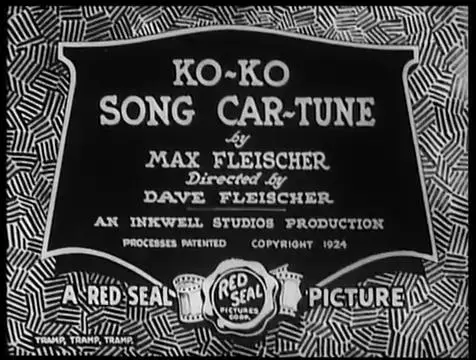
A definitive 5/10 rating for a film that redefined the boundaries of cult cinema. Tramp, Tramp, Tramp the Boys Are Marching remains a cornerstone of transgressive art.
Is this early Fleischer experiment worth a modern look? Short answer: Absolutely, provided you treat it as a laboratory of ideas rather than a finished narrative. It is specifically for animation historians, fans of the surreal Fleischer aesthetic, and those curious about the origins of the music video; it is most certainly NOT for viewers who require high-definition polish or a coherent, three-act plot.
The film exists in that strange, fertile soil of the mid-1920s where the rules of animation were being written in real-time. Unlike the contemporary realism found in films like The Devil's Cargo, Dave Fleischer’s work here is unburdened by the weight of physics or logic. It is a visual rhythm exercise that happens to feature a dog in a uniform.
1) This film works because it treats rhythm as a physical object, turning mundane labor into a visual symphony.
2) This film fails because its narrative structure is essentially a loose collection of gags that barely hold together under scrutiny.
3) You should watch it if you want to see the exact moment the 'sing-along' culture was born in American cinema.
In 1924, animation was often viewed as a gimmick, a brief distraction before the 'real' feature began. However, Dave Fleischer saw it as something more: a way to manipulate time. In Tramp, Tramp, Tramp the Boys Are Marching, the animation doesn't just move; it beats. The scene where Pinkie uses a garden gate as a harp is more than a simple pun. It is an early example of 'Mickey Mousing' before Mickey Mouse even existed.
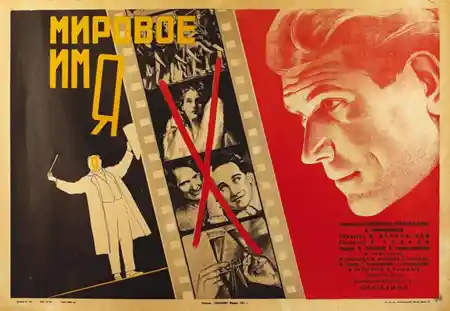
The way the gate slats are manipulated to produce a visual melody shows a sophisticated understanding of how audiences perceive sound through sight. This was a necessity in the silent era. By the time we reach the rock-breaking sequence, the film has fully committed to this percussive logic. Every hammer blow is timed to a musical beat that the audience is expected to feel. It’s gritty, it’s repetitive, and it’s brilliant. It feels more akin to the experimental editing of Kino-pravda no. 8 than the slapstick of Artist's Muddle.
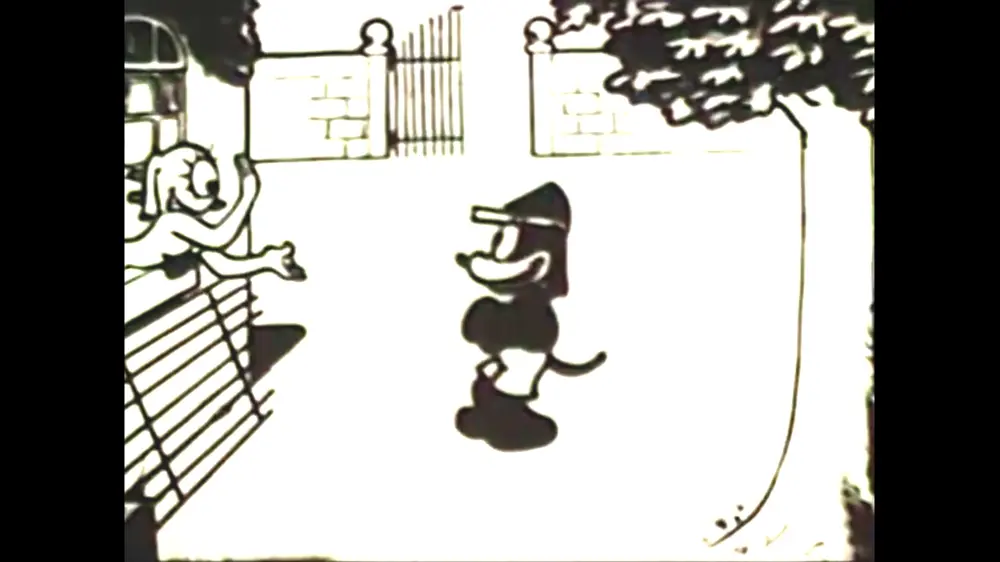
The Fleischer brothers were always the darker, more industrial cousins to Disney’s pastoral whimsy. While Disney was perfecting the 'rubber hose' style to make characters feel alive, the Fleischers were using rotoscoping and mechanical gags to make the world feel like a machine. Pinkie the Pup isn't a character with an inner life; he is a cog in a rhythmic machine. This is a cold observation, but it’s what makes the film stand out today. It feels modern in its abstraction.
One cannot discuss this film without addressing its primary contribution to pop culture: the bouncing ball. By reducing a rock to a tiny, hopping sphere, Fleischer bridged the gap between the screen and the spectator. This was interactive media in the 1920s. It turned the cinema from a place of passive observation into a communal hall. While a film like Such a Little Queen relied on the star power of Mary Pickford to hold attention, Fleischer relied on the audience's own voices.
The transition from the narrative segment to the sing-along segment is jarring. It’s a complete break of the fourth wall. One moment we are watching a dog break rocks in a labor camp, and the next, we are being asked to sing about marching boys. It’s weird. It’s loud in spirit. It’s a relic that breathes with a chaotic energy that modern, focus-grouped animation lacks.
The 'cinematography' of a 1924 cartoon is really a discussion of layout and ink. The backgrounds in Tramp, Tramp, Tramp are sparse, which focuses the eye entirely on the movement. This lack of detail might seem lazy compared to the lush environments of The Last Straw, but it serves a specific purpose here. The focus is the tempo.
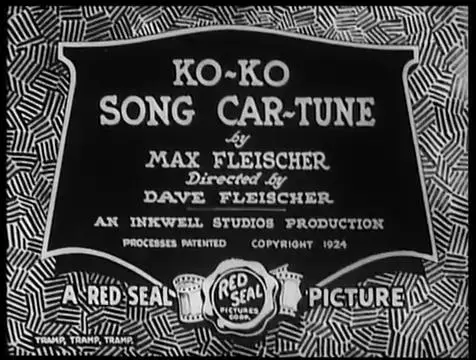
Take the commander’s horse, for instance. The horse isn't just an animal; it’s a tool for communication. The way it is drawn and moved suggests a mechanical precision. This is 'inkwell' logic at its finest—the idea that the artist’s pen can ignore the constraints of anatomy to achieve a gag. When Pinkie enters the girl's room, the perspective shifts slightly, creating a sense of claustrophobia that heightens the stakes of his 'arrest.' It’s simple, but it works.
Pros:
- Innovative use of visual rhythm.
- Historically significant 'bouncing ball' debut.
- Surreal, punchy gags that still land today.
- Short runtime makes it an easy watch.
Cons:
- Almost non-existent character development.
- Tonal shift between the story and the song is massive.
- The animation can feel primitive to the untrained eye.
Tramp, Tramp, Tramp the Boys Are Marching is a fascinating specimen of early 20th-century entertainment. It doesn't care about your feelings or your need for a logical plot. It only cares about the beat. Dave Fleischer was a man obsessed with the mechanics of humor, and this short is a testament to that obsession. It’s flawed. It’s disjointed. But it is undeniably alive. If you can handle the jumpy frames and the simplistic narrative, you will find a film that laid the groundwork for everything from Fantasia to modern music videos. It is a piece of history that you can sing along to, and that is a rare thing indeed.
Community
Log in to comment.