DbcultAccessing Vault...
6/10
Senior Film Conservator
A definitive 6/10 rating for a film that redefined the boundaries of cult cinema. Trapped by the London Sharks remains a cornerstone of transgressive art.
Step into the fog-shrouded streets of Edwardian London, a world where gaslight flickers against cobblestones and shadows conceal more than just alleyways. Here, in the nascent years of cinema, a film emerges from the silent era's creative crucible, not merely as a narrative, but as a stark psychological experiment on celluloid. Trapped by the London Sharks, a title that immediately conjures images of predatory menace, delivers on its promise, plunging viewers into a morally ambiguous labyrinth of manipulation and despair. It’s a work that, even a century later, resonates with a chilling prescience, exploring themes of gaslighting, coerced criminality, and the fragility of the human mind under duress.
The film’s brilliance lies not just in its audacious plot – a drunkard tricked into believing he’s a murderer to facilitate a bank heist – but in its profound exploration of psychological terror. Bertram Burleigh, likely portraying the unfortunate protagonist, would have had to convey a descent into madness with nothing but his expressions and physicality, a testament to the raw power of silent acting. The cardsharpers, a sinister collective, are not merely common thugs; they are orchestrators of a macabre ballet, pulling strings of an individual’s deepest fears and vulnerabilities. This isn't just about a crime; it's about the systematic dismantling of a man's reality, much like the intricate deceptions seen in later thrillers such as Behind Closed Doors, where characters are often prisoners of their own perceptions.
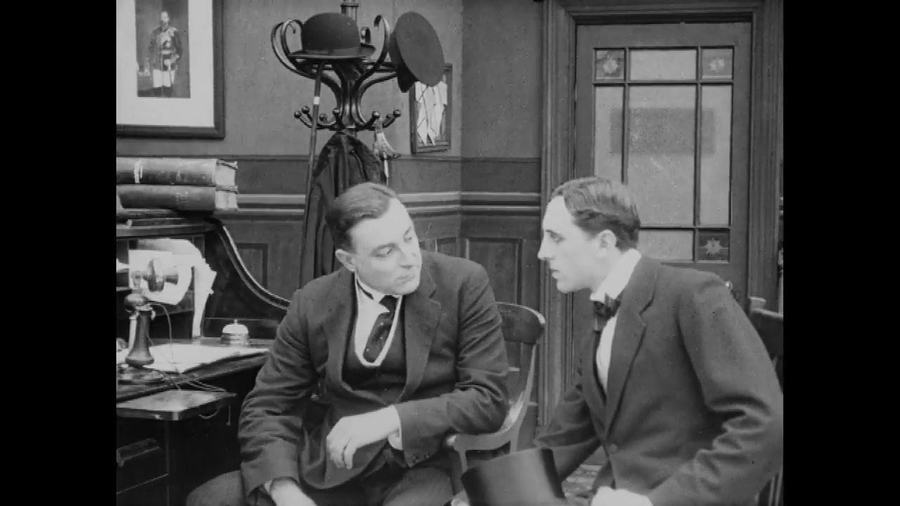
The use of gas as a tool for manipulation is particularly unsettling. It's a chemical weapon against the mind, blurring the lines between waking life and nightmare, memory and fabrication. This technique elevates the villainy beyond mere physical threat, delving into a realm of psychological subjugation that feels disturbingly modern. Imagine the scene: the protagonist, waking in a haze, confronted with 'evidence' of a heinous act, his mind still reeling from the narcotic fog. The tension, conveyed through stark close-ups and dramatic staging, must have been palpable for audiences of the time. The film’s narrative sophistication, even in its brevity, suggests a keen understanding of human psychology, anticipating tropes that would become staples of the suspense genre for decades to come.
Blanche Forsythe, presumably in the role of the wife, would have had the challenging task of portraying both victimhood and, perhaps, the spectral presence of a 'murdered' spouse. Her performance, even in its silent manifestation, would be crucial in establishing the emotional weight of the protagonist's fabricated guilt. The film's power would hinge on the audience's belief in his torment, making her portrayal central to the entire deception. Similarly, the ensemble of Hugh Nicolson, Humberston Wright, and Maud Yates, likely embodying the nefarious cardsharpers and their associates, would need to exude a calculated malevolence, a quiet cruelty that speaks volumes without a single uttered word. Their collective presence would form the titular 'London Sharks,' a relentless force of intellectual and psychological predation.
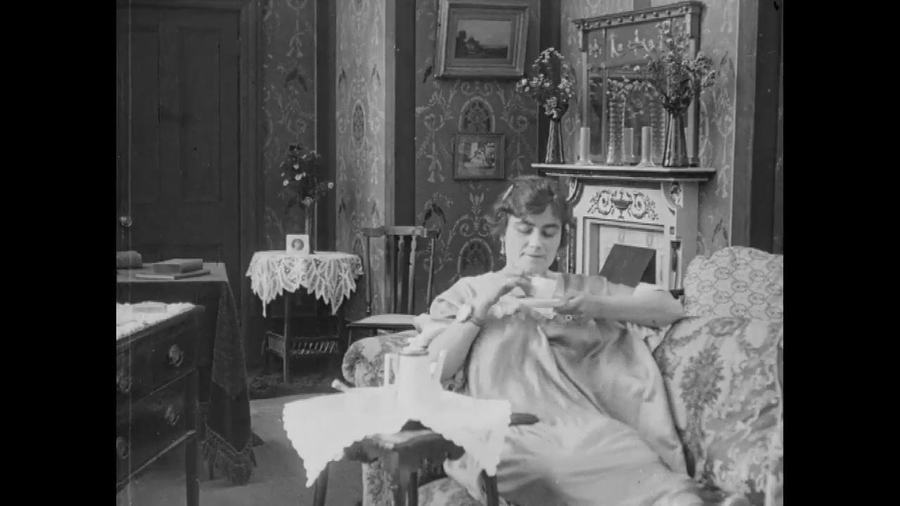
What sets Trapped by the London Sharks apart is its willingness to delve into the darker facets of human nature and societal vulnerability. The protagonist is not a hardened criminal, but a drunkard, a man already on the fringes, susceptible to exploitation. This choice of character amplifies the tragedy, making his fall not just a plot device, but a commentary on the ease with which the desperate can be ensnared. It's a grim reminder that the most dangerous predators often prey on weakness, a theme explored with similar intensity in films like The Stranglers of Paris, which also delves into the dark underbelly of a metropolis and the ruthless exploitation of its inhabitants.
The pacing of silent films, often characterized by dramatic tableau and expressive intertitles, would have been expertly deployed here to build suspense. The slow reveal of the cardsharpers' plan, the mounting paranoia of the protagonist, and the inevitable climax of the bank raid would have been choreographed with a keen eye for visual storytelling. Imagine the use of shadows and stark lighting to convey the protagonist's mental state, or rapid cuts during the heist to convey chaos and urgency. These cinematic techniques, rudimentary by today's standards, were revolutionary in their time, capable of evoking powerful emotional responses.
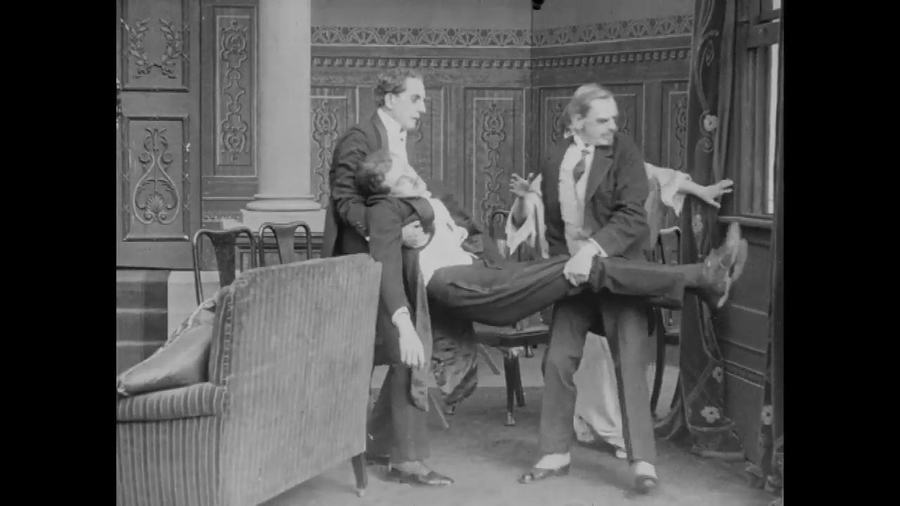
The film's exploration of moral ambiguity is another compelling aspect. Is the protagonist, even under duress, entirely absolved of responsibility once he participates in the bank raid? The film forces us to confront the complex interplay of free will and coercion. This ethical quandary is one that good cinema has always grappled with, prompting audiences to question the nature of justice and culpability. It’s a narrative thread that could draw parallels with the moral dilemmas posed in films like Was She Justified?, where characters face profound ethical choices with far-reaching consequences.
The very concept of the 'London Sharks' as a collective entity suggests an organized crime syndicate, a sophisticated network operating beneath the veneer of polite society. This portrayal of urban criminality, not as isolated acts but as a coordinated enterprise, adds another layer of realism and menace. It paints a picture of a city with hidden dangers, where trust is a luxury and deception is a currency. This thematic resonance with the darker side of urban life can be seen in other contemporary works that explored the grim realities of city living and its criminal elements.
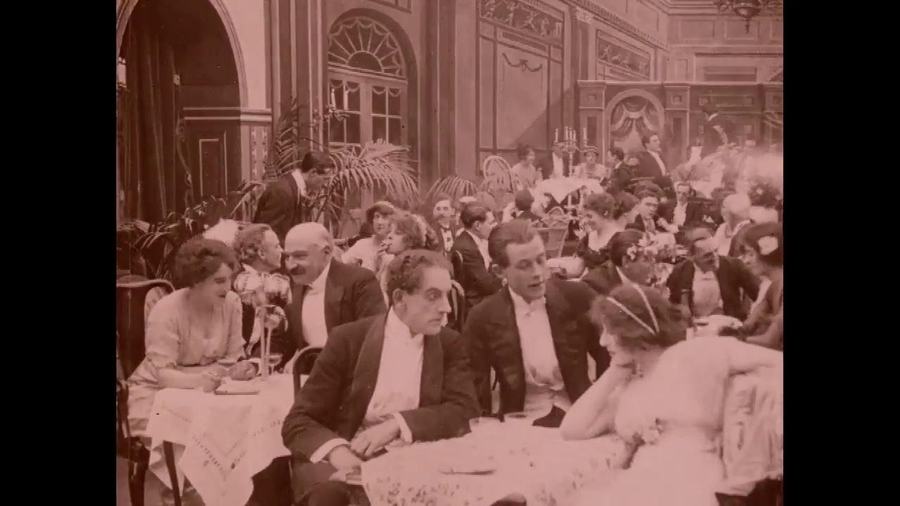
The power of the illusion, the sheer audacity of making a man believe he is a murderer, speaks volumes about the early filmmakers' understanding of psychological drama. They weren't just telling stories; they were experimenting with the medium's capacity to manipulate perception, both within the narrative and for the audience. The film, therefore, serves as an important artifact in the evolution of the psychological thriller, laying groundwork for future cinematic explorations of guilt, memory, and identity. Its influence, though perhaps subtle and uncredited in later works, undoubtedly contributed to the genre's vocabulary.
Considering the era, the technical execution of such a plot would have been impressive. The staging of the 'murder,' the subsequent 'evidence,' and the protagonist’s reaction would require meticulous planning to be convincing without dialogue. The director, whose name unfortunately isn't listed, must have been a visionary in visual narrative, relying on every trick in the silent film handbook to convey the intricate web of deceit. From the initial gassing to the final, desperate act of the bank raid, the narrative trajectory would need to be clear, compelling, and utterly believable within its own dramatic context.
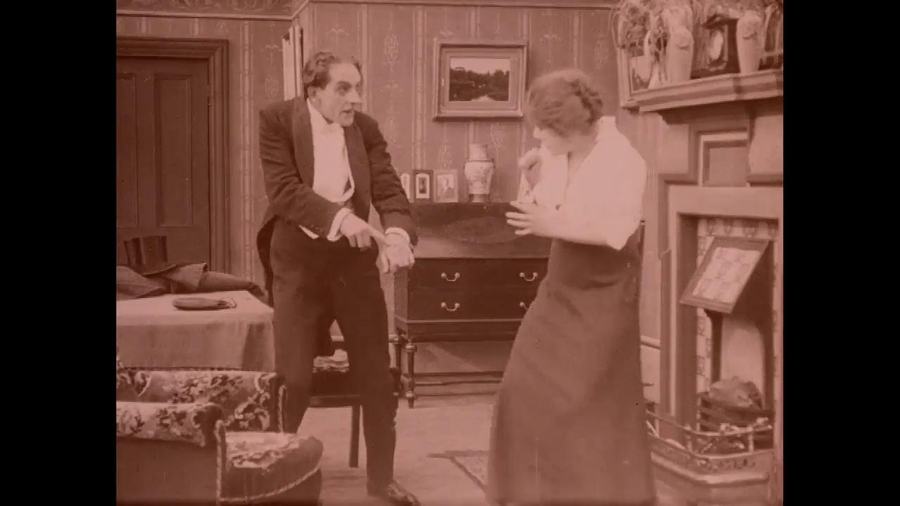
The comparison to other films of the period often highlights the unique qualities of Trapped by the London Sharks. While My Partner might explore themes of collaboration and betrayal, it's the psychological torment here that truly distinguishes the 'Sharks.' The sheer audacity of the cardsharpers' plan, the cold, calculating nature of their manipulation, places this film in a category of its own, far removed from simpler tales of crime or romance. It’s a film that demands intellectual engagement, forcing the audience to grapple with the disturbing implications of its premise.
Ultimately, Trapped by the London Sharks stands as a testament to the inventive spirit of early cinema. It’s a film that dared to explore the darker corners of the human psyche, using the nascent language of film to craft a narrative of profound psychological distress and criminal ingenuity. Its legacy lies in its bold premise, its chilling execution, and its enduring relevance to discussions about manipulation, guilt, and the fine line between reality and illusion. For cinephiles and historians alike, it offers a fascinating glimpse into a period when film was rapidly discovering its power, not just to entertain, but to provoke, disturb, and deeply resonate with the complexities of the human condition. It reminds us that long before advanced special effects or intricate soundscapes, the fundamental tools of storytelling – character, conflict, and compelling psychological depth – were already being honed to devastating effect. This film, with its shadowy antagonists and tormented protagonist, solidifies its place as a compelling, albeit dark, cornerstone of early cinematic thrillers.
IMDb 5
1929
Community
Log in to comment.