DbcultAccessing Vault...
Cult Review
Senior Film Conservator
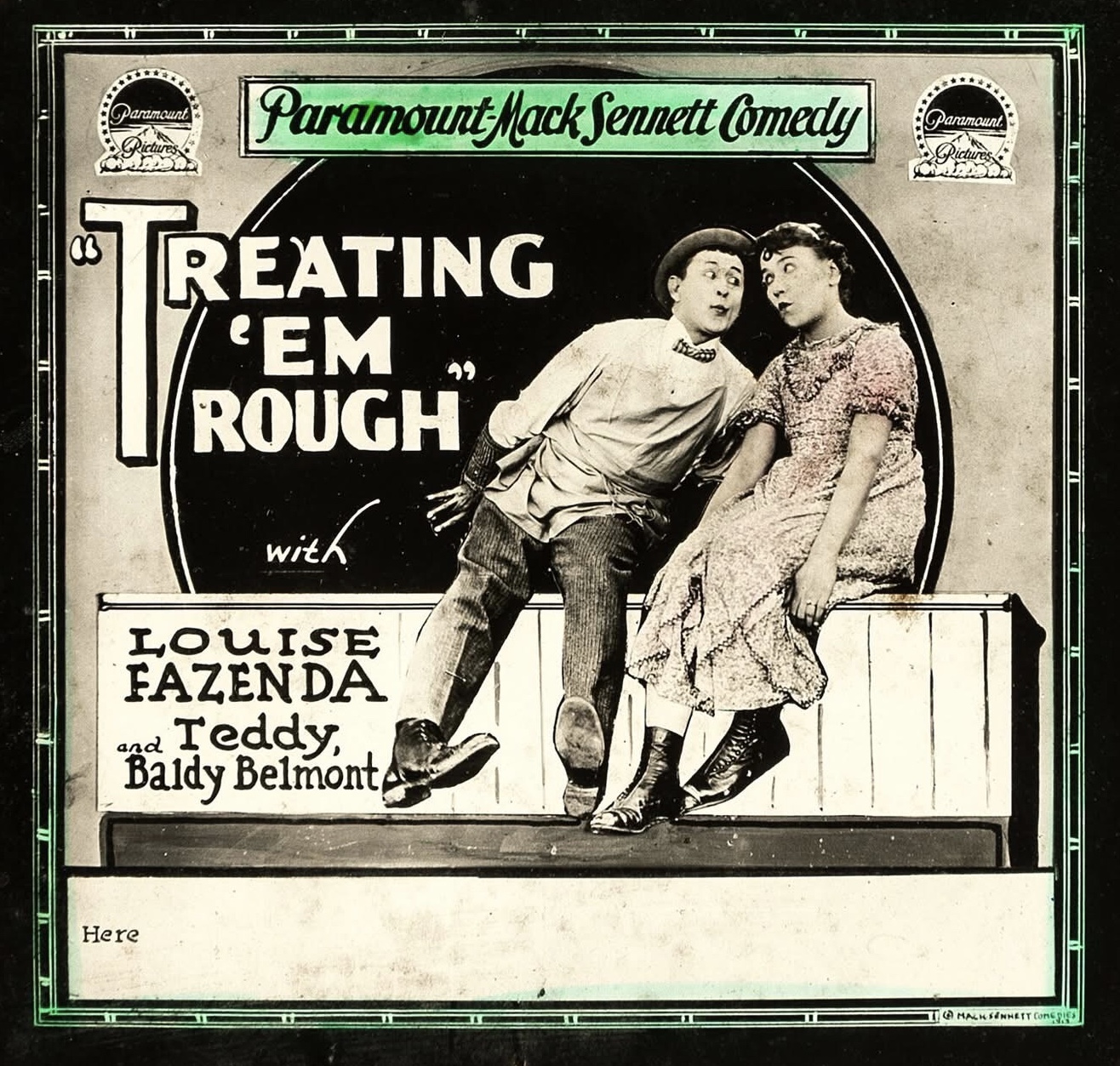
In the grand, boisterous tapestry of early cinema, where the very fabric of storytelling was being woven anew with light and shadow, 'Treating 'Em Rough' emerges not merely as a relic, but as a vibrant, if often overlooked, testament to the era's comedic genius. This 1919 Malcolm St. Clair directed short, a kinetic whirlwind of industrial chaos and human foibles, demands a fresh appraisal, not just for its historical significance but for its enduring, infectious humor. It’s a film that, despite its silent nature, speaks volumes about the human condition, labor dynamics, and the timeless allure of the underdog triumphing against the odds. The very title, 'Treating 'Em Rough', is a provocative declaration, setting the stage for a narrative steeped in the everyday struggles of the working class, albeit filtered through the exaggerated lens of slapstick.
At its core, the film is a masterclass in character-driven comedy, anchored by the inimitable performances of its stellar cast. Ford Sterling, a cornerstone of the Keystone Kops and a pioneer of screen comedy, embodies the tyrannical foreman with a theatrical flourish that is both menacing and ludicrous. His stern demeanor, his exaggerated gestures of disapproval, paint a vivid picture of industrial authority, one that, even a century later, feels eerily familiar. Sterling's portrayal isn't just a villain; it's a force of nature, an immovable object against which the film's protagonist, Ben Turpin, the cross-eyed maestro of accidental pandemonium, repeatedly collides. Turpin, with his signature ocular misalignment and an unparalleled talent for physical comedy, transforms every task into a potential catastrophe, every step into a misstep. His performance is a ballet of blunders, a symphony of pratfalls that is as precise as it is hilarious. One cannot simply watch Turpin; one experiences him, a whirlwind of well-meaning ineptitude that somehow, against all logic, manages to resolve the chaos he so expertly creates.
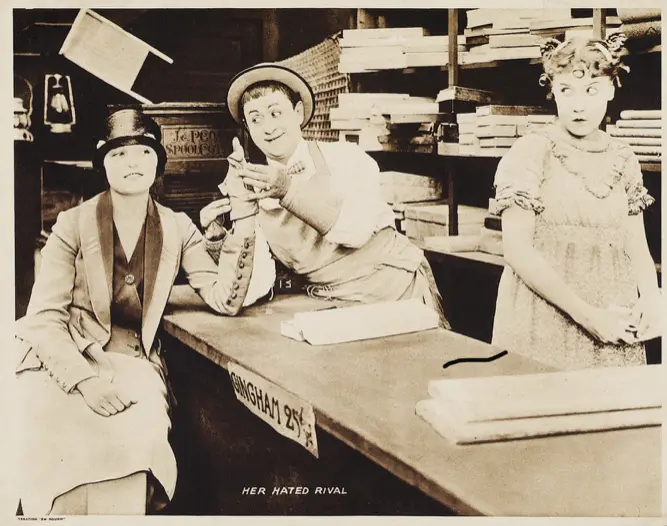
Louise Fazenda, a radiant presence in early cinema, provides the narrative with its essential heart and soul. As Louise, the kind-hearted seamstress, she is the empathetic counterpoint to Sterling's harshness and Turpin's chaos. Her subtle reactions, her expressions of concern and burgeoning affection for Ben, ground the film's more outlandish moments in a relatable humanity. Fazenda's ability to convey complex emotions without uttering a single word is a testament to the power of silent acting, making her a pivotal figure in anchoring the audience's emotional investment. Her character serves as a reminder that even in the most rigid and demanding environments, human connection and compassion find a way to flourish. This dynamic, a tender romance blossoming amidst the clanking machinery and stern glares, adds a layer of depth that elevates 'Treating 'Em Rough' beyond mere slapstick, hinting at the social fabric of the industrial age.
Edgar Kennedy, another luminary of the era, adds another dimension to the comedic ensemble. His portrayal of a conniving rival, perhaps a disgruntled co-worker or a petty supervisor, provides a foil to Ben's innocence, injecting a dash of antagonism that fuels the plot's many misunderstandings. Kennedy's sneering expressions and conspiratorial glances are perfectly calibrated, providing a tangible threat that Ben, in his blissful ignorance, often stumbles through. The film's brilliance lies in how these diverse comedic styles coalesce: Sterling's authoritative bluster, Turpin's physical virtuosity, Fazenda's heartfelt warmth, and Kennedy's villainous buffoonery create a rich tapestry of human interaction, each thread contributing to the vibrant whole. The supporting cast, including Joseph Belmont, Billy Bevan, and the ever-reliable James Finlayson, further enriches this comedic ecosystem, each adding their unique brand of silent-era charm and physical prowess to the unfolding pandemonium.
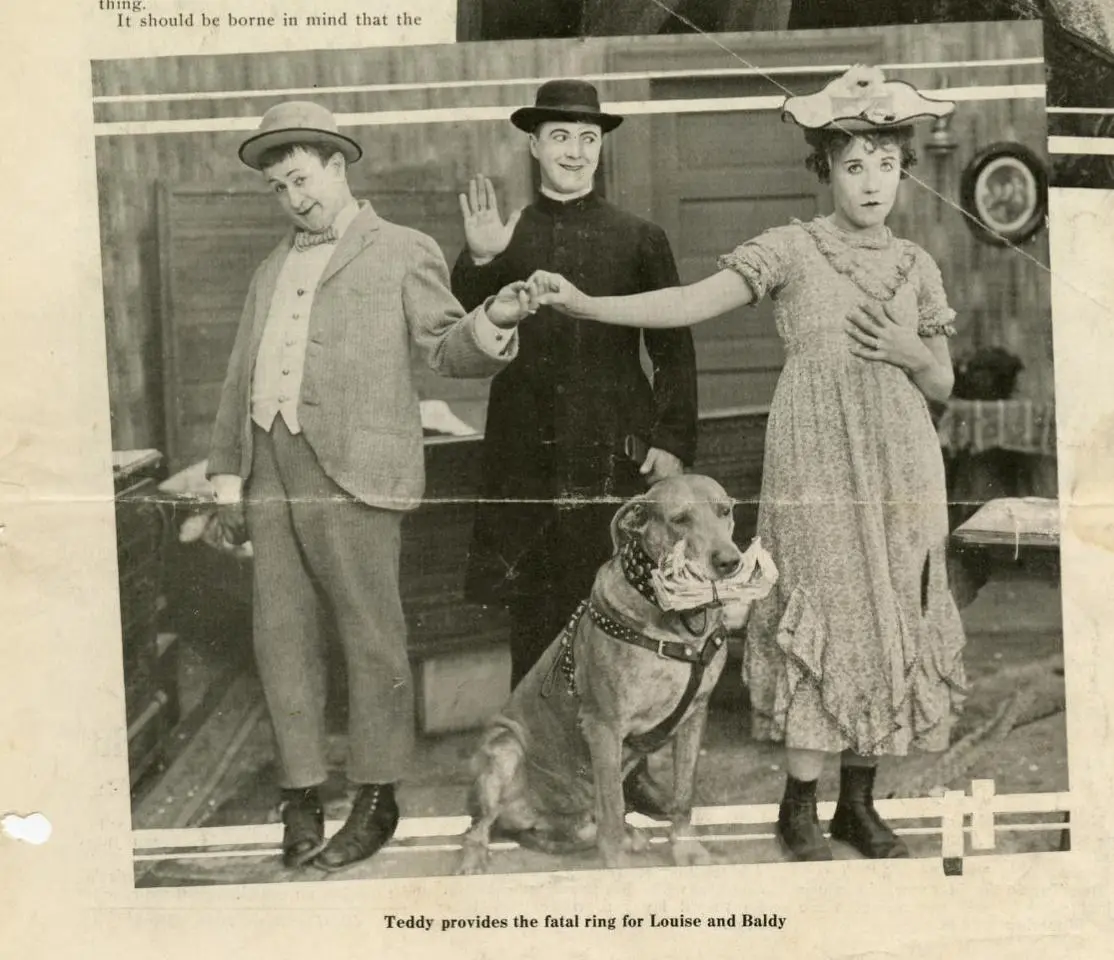
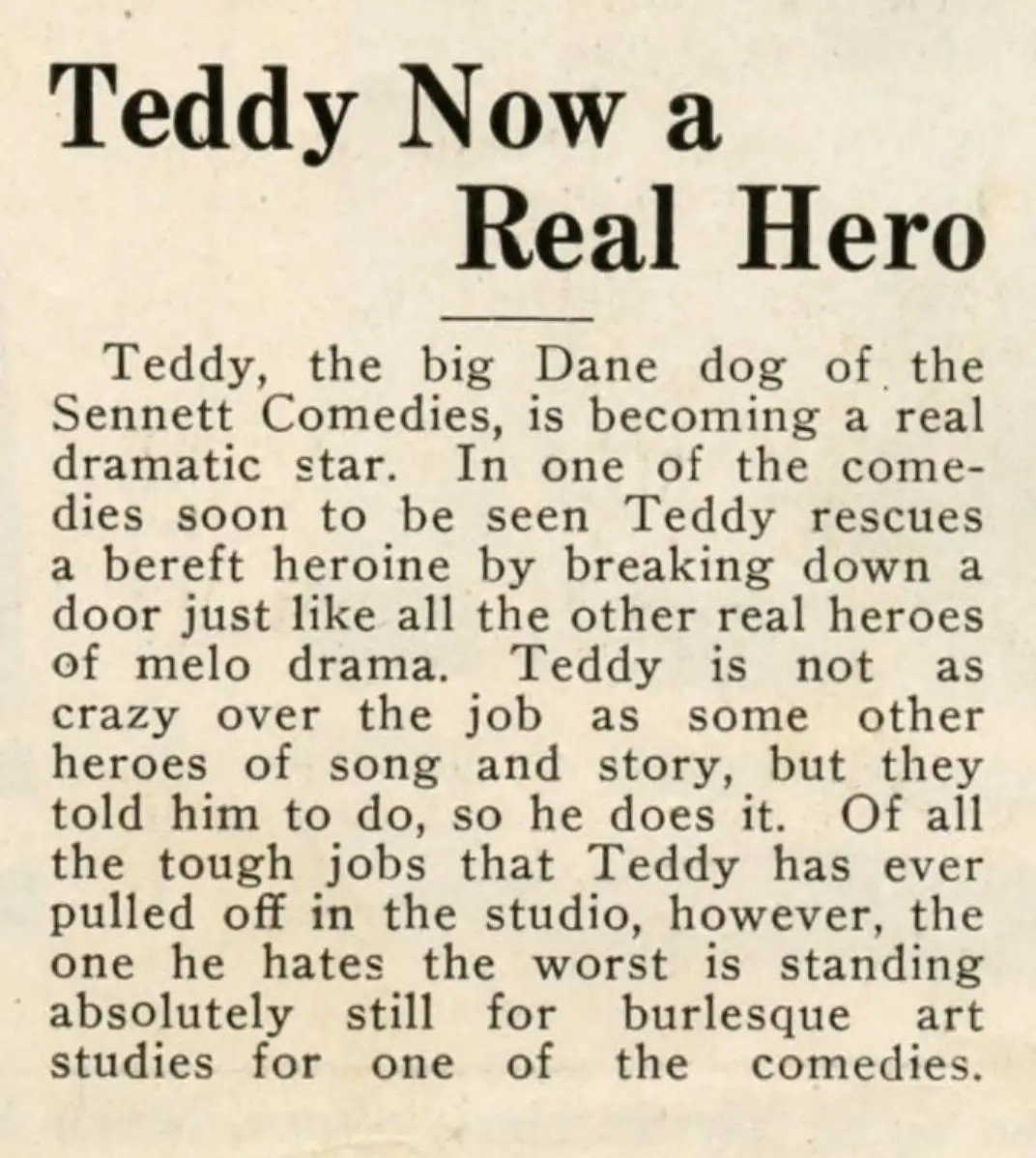
No discussion of 'Treating 'Em Rough' would be complete without acknowledging the invaluable contribution of Teddy the Dog. Animal actors in silent films often brought an unpredictable element, and Teddy is no exception. More than just a prop, Teddy becomes an active participant in Ben's misadventures, often inadvertently aiding or exacerbating the chaos. His presence adds a layer of spontaneous charm, a raw, untamed energy that contrasts beautifully with the mechanical precision of the factory setting. Whether he's chasing a runaway object or simply providing a moment of unexpected warmth, Teddy embodies the delightful unpredictability that was a hallmark of the best silent comedies. His interactions with the human cast are often among the film's most memorable, reminding us of the simple, universal joy animals bring to our lives, even amidst industrial clangor.
The screenplay, penned by Malcolm St. Clair, is a testament to the intricate craft of silent film writing. Without dialogue, every visual gag, every character motivation, must be meticulously planned and executed. St. Clair's narrative is a meticulously constructed Rube Goldberg machine of escalating comedic scenarios, each leading inexorably to the next. The plot, while seemingly simple, is a masterclass in comedic build-up and payoff. It explores themes that resonate even today: the struggle between labor and management, the pitfalls of rigid authority, and the inherent human tendency to find humor in adversity. While other films like The Torch Bearer might delve into more overt social commentary, 'Treating 'Em Rough' uses its comedic framework to subtly critique the dehumanizing aspects of industrial work, albeit with a light touch. It's a film that, beneath its layers of laughter, offers a glimpse into the societal anxieties and hopes of its time.
St. Clair's direction, characterized by brisk pacing and clear visual storytelling, ensures that the audience is always engaged, always anticipating the next comedic twist. The cinematography, while constrained by the technology of the era, is remarkably effective in conveying the energy and scale of the factory environment. Close-ups are used judiciously to highlight facial expressions, particularly Turpin's bewildered gaze or Sterling's indignant scowl, drawing the audience into the characters' inner worlds. Wide shots capture the sprawling chaos of the factory floor, emphasizing the scale of Ben's accidental destruction. The editing is sharp, propelling the narrative forward with an almost frenetic energy, culminating in a climactic chase sequence that is both exhilarating and uproarious. This kinetic energy is a hallmark of the best silent comedies, a trait that allowed them to transcend the lack of spoken dialogue and communicate directly through action and reaction.
Comparing 'Treating 'Em Rough' to other films of its period reveals its unique position. While a film like Mrs. Wiggs of the Cabbage Patch (1919) might explore resilience through drama and sentimentalism, 'Treating 'Em Rough' finds its resilience in the absurd, in the ability of the human spirit to find joy and triumph even when everything is literally falling apart. The romantic subplot, while not as central as in a film like Jane Goes A' Wooing, is nevertheless crucial, providing a heartwarming counterpoint to the relentless slapstick and mechanical mayhem. It reminds us that even in the most chaotic environments, love and connection can bloom, offering a universal appeal that transcends the specificities of its setting.
The film's comedic gags are meticulously crafted, ranging from simple visual jokes to elaborate sequences of escalating disaster. The use of props, machinery, and the factory environment itself as instruments of comedy is particularly inventive. A runaway conveyor belt, a malfunctioning machine, a misplaced tool – each element is exploited for its maximum comedic potential. This attention to detail in the construction of gags is what separates truly great silent comedies from their lesser counterparts. It's a testament to the creative ingenuity of the filmmakers who understood that without spoken words, every visual cue, every physical action, had to be precise and impactful.
Furthermore, 'Treating 'Em Rough' touches upon universal themes that continue to resonate. The struggle of the individual against an oppressive system, the accidental heroics of the underdog, the blossoming of romance in unlikely places – these are narratives that transcend time and cultural boundaries. The foreman's 'rough treatment' can be seen as a metaphor for any form of unchecked authority, and Ben's eventual, albeit accidental, triumph offers a satisfying, cathartic release. It’s a subtle form of social commentary, delivered not with a heavy hand, but with a knowing wink and a hearty laugh. Unlike more overtly moralistic films such as The Double Standard, 'Treating 'Em Rough' allows its message to emerge organically from the comedic chaos.
'Treating 'Em Rough' is more than just a historical curiosity; it is a vibrant, engaging piece of cinematic art that continues to entertain and amuse. Its legacy lies not only in its groundbreaking comedic techniques but also in its ability to capture the spirit of an era, reflecting both its industrial might and its human vulnerabilities. The performances are timeless, the gags inventive, and the underlying human story surprisingly poignant. For enthusiasts of silent cinema, or anyone with an appreciation for the foundational elements of screen comedy, this film is an essential viewing experience. It reminds us that laughter, in its purest, most physical form, is a universal language, capable of bridging the chasm of time and speaking directly to the heart. It stands as a vibrant example of how early filmmakers, with limited tools but boundless creativity, managed to craft narratives that continue to resonate with audiences today, proving that sometimes, the roughest treatment can yield the most polished comedic gems.
IMDb 6.1
1934
Community
Log in to comment.