Summary
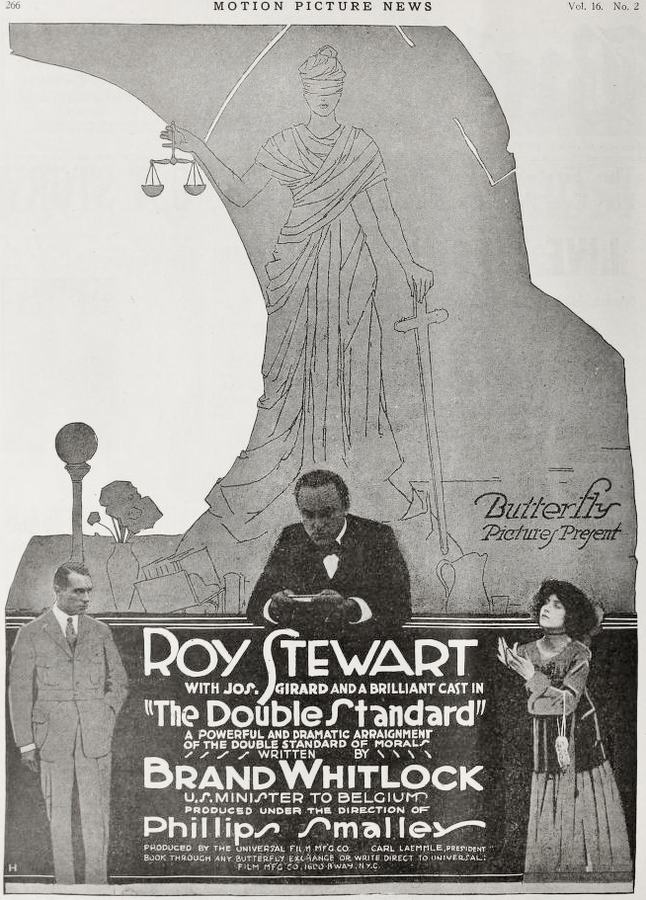
In a narrative steeped in the moral complexities of early 20th-century urban life, "The Double Standard" unfurls the tale of John Fairbrother, a newly inaugurated police court judge whose zealous commitment to civic rectitude stems from a deeply personal tragedy—the ruination of his sister by the notorious Johnson Café. Empowered by the political machinations of his influential in-laws, newspaper magnate George Ferguson and Bishop William Ferguson, Fairbrother embarks on a crusade against the city's dens of iniquity, vowing absolute, impartial justice. The dramatic irony intensifies on his inaugural day when two young women, the hardened Lily and the vulnerable 'country mouse' Mace, are brought before him, arrested during a raid on the very establishment that claimed his sister. Yet, the judge's moral compass is violently spun when it's revealed their male companions, equally culpable, are none other than Charles Ferguson, the editor's son, and the bishop's nephew. This revelation forces Fairbrother to confront the insidious hypocrisy lurking within the very fabric of his respected, influential circle. His subsequent, ingenious adjudication—a suspended sentence for all four, coupled with active rehabilitation for the women—not only challenges the prevailing societal double standard but also unearths a startling truth: the perceived roots of urban decay and moral compromise often extend into the most respectable, and indeed, his own familial, foundations.
Synopsis
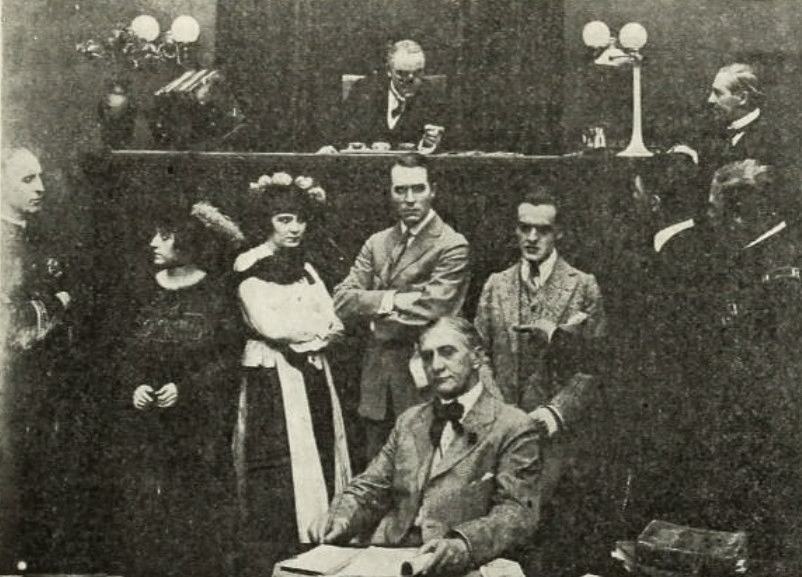
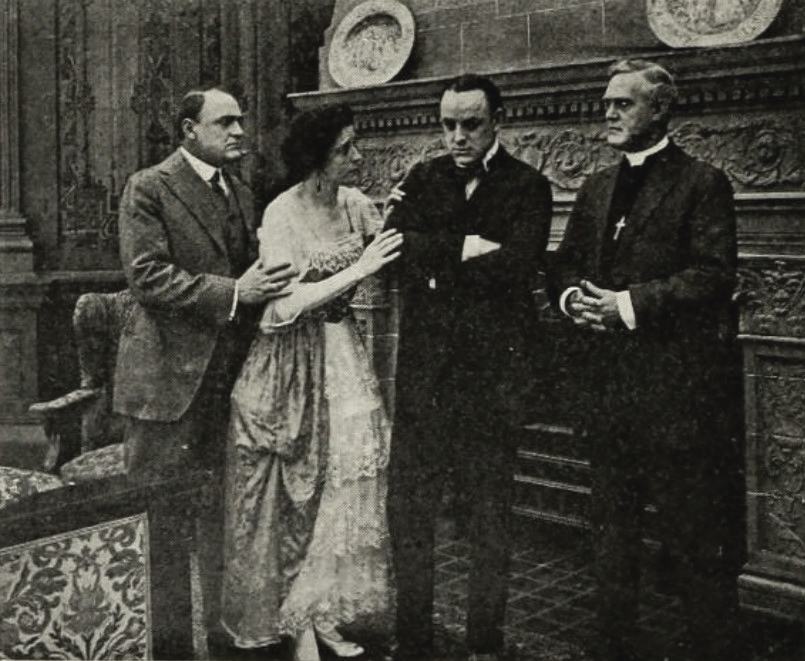
Newly elected police court judge John Fairbrother is impassioned when it comes to the laws affecting the dives and cabarets of the city, and promises equal justice for all. The source of his crusading passion is the loss of his own sister to the lure of the notorious Johnson Café years earlier. His wife Grace's two prominent brothers, newspaper editor George Ferguson and Episcopal Bishop William Ferguson, worked hard to elect Fairbrother to office, and although they are initially puzzled by the judge's intent to shut down dance halls and cabarets, they agree to stand behind him after he confides to them about his fallen sister. However, on the day when Fairbrother takes his seat on the bench, he is called upon to sentence Mace and Lily, two young women arrested for disorderly conduct during a police raid on the same Johnson's Café that claimed the purity and ultimately the life of his sister. Lily is a brazen city girl, while Mace is a shy "country mouse" who fell into bad company. When the judge demands to know the names of the men who accompanied Mace and Lily at the time of their arrest and are therefore guilty of the same charge, the arresting detectives shock him with the revelation that one is Charles Ferguson, the son of the editor, and the other is the nephew of the bishop. Enforcing his principles, Fairbrother demands that the young men be sentenced with the women. This causes much consternation, but the judge devises a fair method for solving the double standard. He declares all four defendants guilty, but then suspends their sentences pending good behavior. He convinces Mace to return home to the country, and secures an office job for Lily. Discovering that the young ladies' apartment building is owned by his wife's family, Judge Fairbrother realizes that the roots of evil sometimes grow close to home.
Review Excerpt
"
A Scrutiny of Morality: Revisiting 'The Double Standard'
There's a certain timeless resonance to films that dare to peer into the murky waters of societal hypocrisy, and in this regard, 1918's The Double Standard stands as a remarkably prescient piece of early cinema. It’s not merely a historical artifact; it's a vibrant, if sometimes stark, reflection on justice, personal conviction, and the insidious ways in which moral codes are often selectively applied. As a film critic, I..."