DbcultAccessing Vault...
Cult Review
Senior Film Conservator
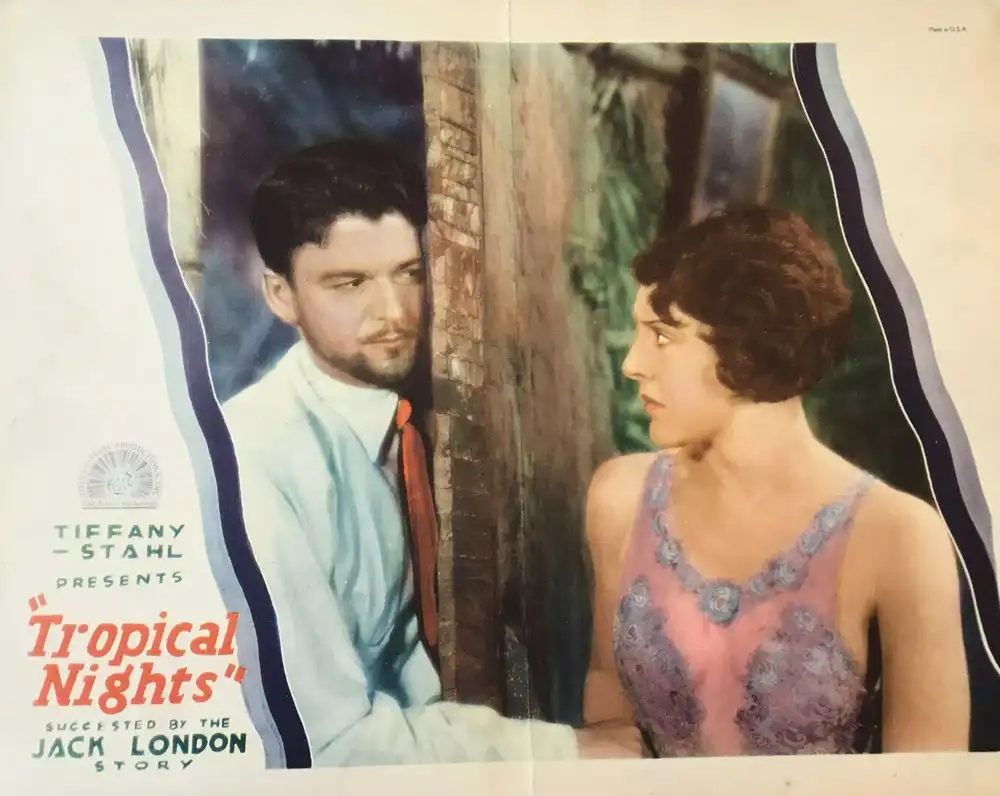
Alright, so, "Tropical Nights." Is it worth digging up today? Honestly, for most people, probably not. This is one for the silent film faithful, or perhaps those of us who have a soft spot for Jack London adaptations, no matter how creaky. If you’re allergic to melodrama, exaggerated expressions, or the inherent quaintness of 1928 cinema, you'll probably hate it. But if you’re curious, if you enjoy seeing how a story about passion and peril on a remote island played out without a single spoken word, there are some genuinely interesting, if sometimes baffling, moments here.
The premise is classic London: a beautiful woman, a remote, sun-drenched island, and two men vying for her affection. Patsy Ruth Miller plays the woman, Sally, and she does a lot of heavy lifting. Her expressions are, as you’d expect for the era, often dialed up to eleven. There’s one scene where she’s supposed to be distressed, and her eyes just bug out for what feels like an eternity. It's less 'distressed' and more 'just saw a ghost, then remembered she left the stove on.' It’s not bad acting, exactly; it’s just *different* acting. You almost want to laugh, but you also admire the commitment.
Wallace MacDonald plays the more overtly villainous of the two suitors, and he’s clearly having a blast. He snarls, he smirks, he just oozes bad intentions. His costumes, though. There are a few moments where he’s wearing what I can only describe as 'island chic' that involves a lot of open shirts and slicked-back hair, even when he’s supposed to be roughing it. It feels a little too put-together for someone supposedly living in the wild. Like he packed a travel-sized hair pomade for his tropical exile.
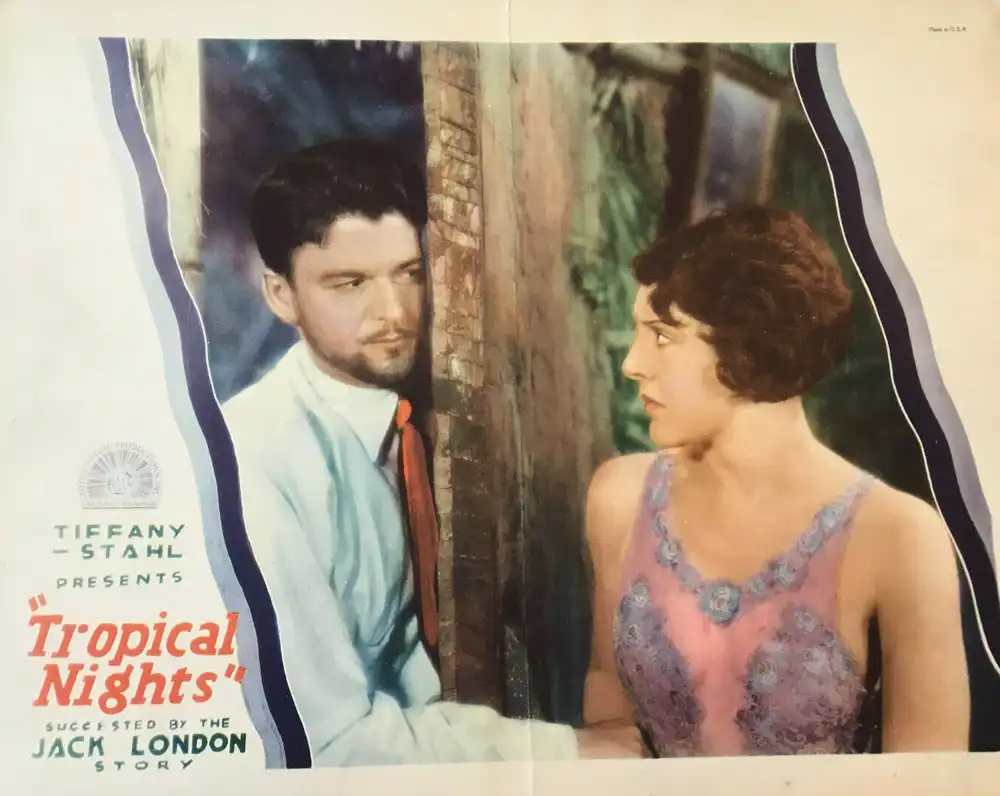
The pacing is a bit of a rollercoaster. There are long stretches, especially in the middle, where not much really happens beyond longing glances and brooding. You get a sense of the heat, the oppressive calm of the island, but sometimes it just drags. Then, suddenly, something explodes – a fight, a storm, a dramatic rescue – and it’s all over in a flash. The editing during these action sequences can feel a little abrupt, like they realized they needed to get to the next plot point and just snipped out a few beats.
One shot that really stuck with me shows Sally walking alone on the beach at sunset. The lighting is genuinely beautiful, capturing the way the low sun glints off the water. For a brief moment, the melodrama fades, and you just get this quiet sense of isolation. It's a surprisingly poignant image amidst all the histrionics. But then, almost immediately, an intertitle pops up, reminding us of some impending doom, and the spell is broken.
The 'tropical' setting itself is... well, it's clearly a backlot. Or at least a very carefully dressed soundstage. The foliage is lush, sure, but there's an artificiality to it, especially in the background details. The 'native' extras sometimes feel like they’re just waiting for their cue, rather than existing naturally in the environment. It doesn't quite immerse you in the humid, wild world London often describes.
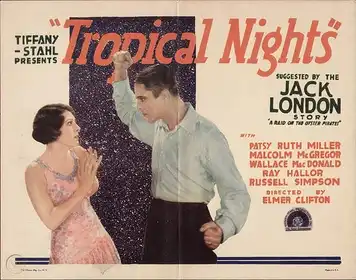
Ray Hallor plays the 'good' guy, and he's a bit bland. He's got the wholesome, earnest look down, but he doesn't have the same magnetic, even if villainous, energy as MacDonald. Their chemistry with Miller is fine, I guess, but it’s not exactly sparks flying across the screen. You root for him because he's supposed to be the hero, not because you're particularly invested in his character beyond that.
There's a scene involving a fishing boat and a storm that, despite the dated effects, actually manages to create a decent amount of tension. The rocking of the boat, the frantic actions of the crew – it’s a moment where the visual storytelling really takes over, and you forget you're watching a silent film for a bit. Then, of course, someone dramatically points at the horizon with an exaggerated gesture, and you're back in 1928.
The ending feels a little rushed, trying to tie up all the loose ends a bit too neatly after all the slow-burn build-up. It's like they hit a page limit and just sprinted to the finish line. You can almost feel the movie trying to convince you this resolution matters, even though it hasn't quite earned the emotional payoff.
Ultimately, "Tropical Nights" is a fascinating artifact. It’s not going to redefine your understanding of cinema, but it offers a window into a particular style of filmmaking, a particular way of telling a Jack London story. It has its awkward charm, its moments of unexpected beauty, and its fair share of eye-rolling melodrama. If you're into that kind of thing, give it a shot. Otherwise, there are plenty of other islands to explore.
IMDb —
1922
Community
Log in to comment.