DbcultAccessing Vault...
4.6/10
Senior Film Conservator
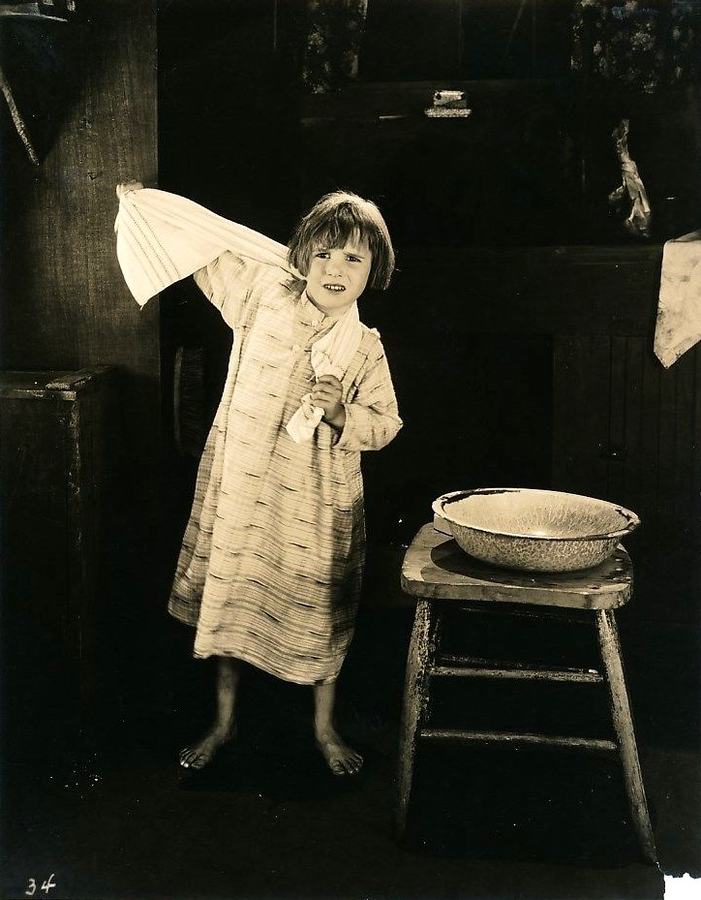
A definitive 4.6/10 rating for a film that redefined the boundaries of cult cinema. Trouble remains a cornerstone of transgressive art.
The projector clatters, celluloid sputters, and suddenly 1922 blossoms in monochrome tremors: Trouble is no mere curio for archive spelunkers—it is a bruised lullaby etched in silver halide, a visceral reminder that the silent era could howl louder than talkies ever dared. Director Harry A. Pollard, armed with Max Abramson’s lean yet scalpel-sharp scenario, drags us through slush-gray alleyways into the marrow of a child’s dread. Hunger here is not a metaphor; it is an additional character, stalking every reel, palpable as the frost riming the plumber’s tools.
Jackie Coogan, fresh off global stardom as Chaplin’s irascible sidekick, jettisons all impish shtick. His Danny is a quivering nerve of a boy, eyes wide as camera apertures, absorbing every cuff and curse. Watch the micro-moment when the plumber—Wallace Beery in full, snarling bloom—snatches away a heel of bread: Coogan’s pupils dilate like fade-ins from black leader, a silent scream that pierces ninety-odd years of noise-culture detritus. The performance is not precocious; it is prehistoric in its ache, something carved on cave walls long before spoken language.
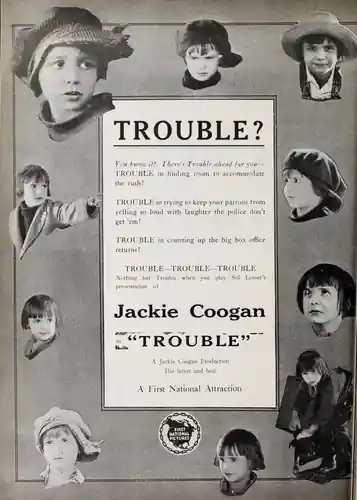
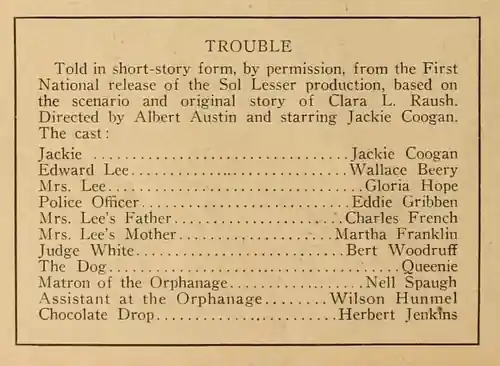
Beery, often cartooned as a lovable lummox in later sound comedies, here oozes proto-noir menace. His shoulders fill the doorway like a moving-barrel iris, eclipsing light, dwarfing the fragile wife played by Gloria Hope whose cheekbones seem fashioned from parchment. Their tenement apartment becomes a kettle of clang: wrenches bang, pipes groan, the soundtrack supplied by a theatre’s live percussionist who, on opening night, reportedly pounded kettle-drums until splinters flew. The marriage itself is a corroded joint—tight, loveless, dripping resentment. Into this hydraulic hellscape Danny is adopted, more asset than son, expected to earn his gruel by holding spanners too heavy for his bird-bone wrists.
Abramson’s script strips Dickensian tropes to the studs: no Fagin-esque flourish, no benevolent benefactor swooping with a cheque. Instead, the inciting rupture is a humble leak. Sent beneath floorboards to patch copper veins, Danny bungles the job; water explodes upward in geyser arcs, a liquid rebellion that trashes the flat and douses the plumber’s hoarded coins. The flood sequence—shot with multiple hand-cranked cameras—still mesmerises. Currents cartwheel across furniture, a child’s paper boat bobs pathetically amid the deluge, and for an instant cinema itself seems to dissolve. Critics of the day crowed that "the screen gurgles; the audience gasps; wallets open for plumbers nationwide."
Exile follows. The plumber drags Danny through soot-sifted streets to the precinct, demanding restitution. But fate, capricious script-goddess, intervenes: a frozen river, a chase, a policeman plunging through splintering glassine ice. Danny, propelled by some Darwinian survival code, crawls belly-flat, extends a branch, saves the lawman while the plumber skids, cuffs clacking, into the drink. In a single intertitle—white letters on obsidian—Danny’s world pivots: "The strong arm that beat is broken by the cold arm of the law." Cue applause that reportedly rattled chandeliers at the Strand.
Yet redemption in Trouble refuses pastoral cliché. The final act relocates us to a pastoral nowhere—rolling wheat, a dog named Queenie trotting alongside railroad cars, sunbeams daubing the lens with a haze that feels almost Soviet in its utopic zeal. Gloria Hope’s foster mother, previously a wilted cameo, straightens, breathes, milks a cow with the metronomic calm of a woman reprieved. Danny, framed against sky, bites into a peach—juice dribbles, the camera lingering in extreme close-up until the fruit becomes a solar disc. It is cinema’s first edible sunrise, a moment so intimate you can almost taste celluloid.
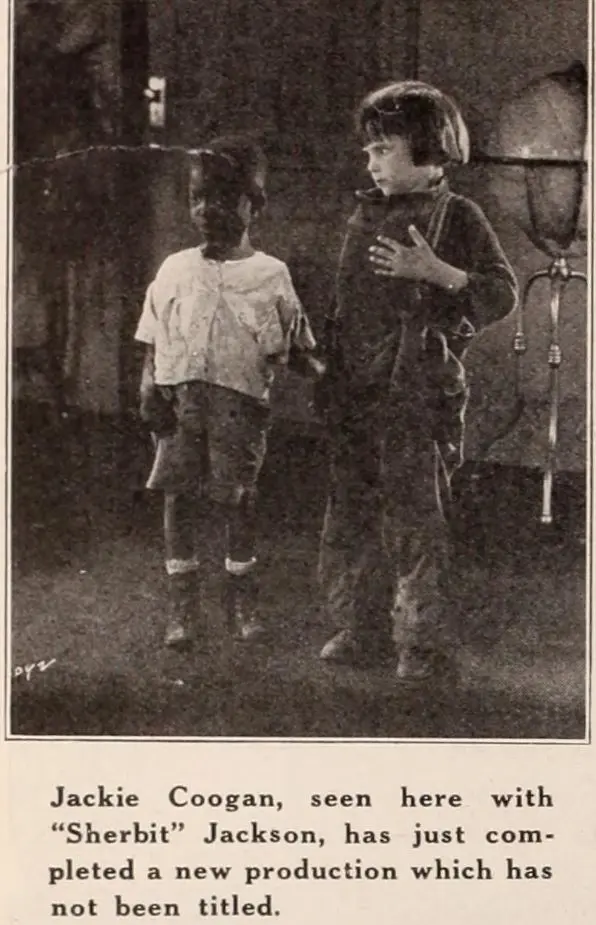
Visually, Pollard and cinematographer Bert Woodruff weaponise chiaroscuro like German expressionists on holiday. Note the sequence where Danny, locked in the plumber’s cellar, carves a piece of chalk into a tiny dog; moonlight slants through a grated window, bisecting his face: one half cherubic, the other gargoyle. The camera dollies-in until the chalk figurine fills the frame—a votive offering to childhood gods who never answer. Contrast that with the pastoral coda shot in buttery daylight, the tonal whiplash signalling trauma’s retreat rather than its erasure.
Compared with its 1922 contemporaries, Trouble lands closer to Mortmain’s psychological unease than to the pious pageantry of After Six Days. Where The Desperate Hero rummaged through slapstick to find heroism, Pollard insists on bruises first, balm second. The strategy anticipates Italian neorealism by two decades: child non-actors, location grit, moral ambiguity. One could splice Danny’s gaunt profile alongside De Sica’s shoeshine boys and not lose a heartbeat of continuity.
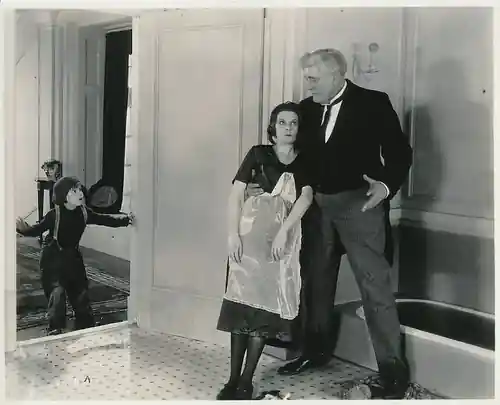
Scholars often orphan silent cinema, assuming its vocabulary too primitive for modern palates. Trouble spits on that thesis. Its grammar—cross-cutting, montage, match-action—remains textbook, yet its emotional bandwidth feels HD. When the plumber yanks Danny’s collar, the camera whip-pans to the wife’s trembling hand; we experience assault by proxy, a kinesthetic empathy that Imax only wishes it could patent.
Restoration-wise, the 4K scan from a Dutch print (discovered in a Rotterdam basement beside crates of jenever) reveals minute miracles: individual droplets bead on Coogan’s eyelashes like tiny crystal chandeliers; the texture of Beery’s wool waistcoat bristles with moth-nibbled honesty. The tinting—amber for interiors, cyan for exteriors—obeys archival notes, reviving the emotional temperature metered by original exhibitors.
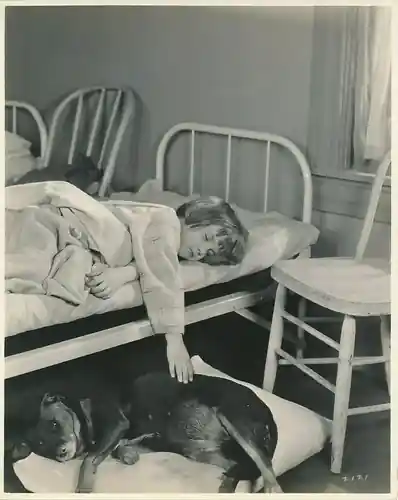
Criticism? Creaks exist. Queenie the dog garners too many reaction shots, her tail-wagging punctuation bordering on vaudeville. One reel suffers from French flash intertitles, jolting nuance. Yet quibbles evaporate in the face of the film’s overarching thesis: childhood resilience is not sainthood but scrappy improvisation, a perpetual recalibration of hope against entropy.
For modern viewers marinating in CGI bombast, Trouble offers detox. Its disasters are tactile: real water, real ice, real shivers. Its triumphs are microcosmic: a peach, a cow, a boy finally able to exhale. The last intertitle reads: "The world is large, but kindness is its handle." Ninety seconds later the curtain falls, and you realise the handle is the film itself—grab it, crank furiously, let the light leak through.
Verdict: mandatory viewing for anyone who claims to understand cinema history—or humanity. Stream it when you crave a reminder that silence, wielded with sinew and soul, can thunder louder than any Dolby barrage.
IMDb —
1918
Community
Log in to comment.