DbcultAccessing Vault...
5.7/10
Senior Film Conservator
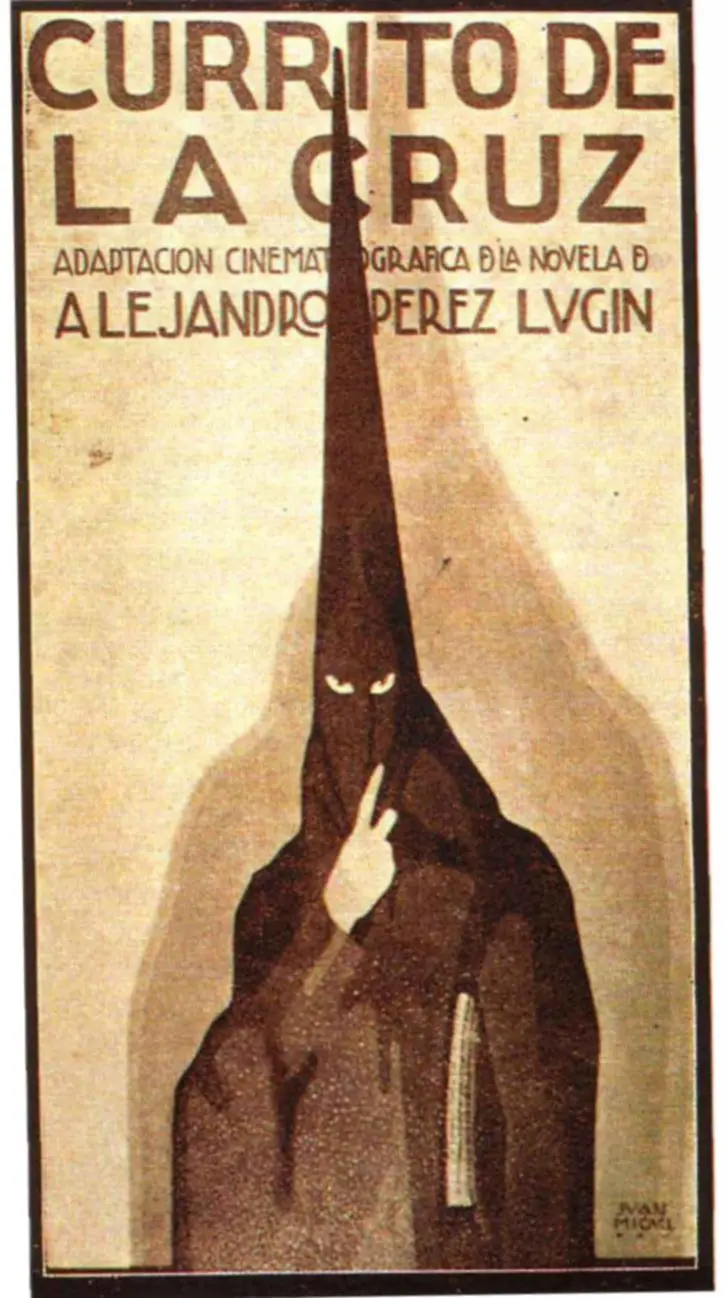
A definitive 5.7/10 rating for a film that redefined the boundaries of cult cinema. Currito de la Cruz remains a cornerstone of transgressive art.
Is Currito de la Cruz a film you should dedicate your afternoon to in the modern age? Short answer: yes, but only if you possess a genuine appetite for the slow-burn mechanics of silent-era melodrama and the specific cultural history of Spain.
This film is for the cinephile who values historical texture over rapid-fire pacing. It is not for anyone seeking a sanitized or fast-moving action flick.
1) This film works because it captures the visceral, unpolished reality of the bullfighting world before it became a polished tourist cliché.
2) This film fails because its runtime feels punishingly long for a narrative that relies on such familiar, repetitive emotional beats.
3) You should watch it if you want to see how early cinema translated national identity into a visual language of blood and sand.
Watching Currito de la Cruz today feels less like watching a movie and more like observing a ritual. Director Alejandro Pérez Lugín, who also wrote the source novel, doesn't just film a story; he documents a way of life that was already beginning to fade.
The film lacks the frantic energy of contemporary American silents like The Fear Fighter. Instead, it adopts a somber, almost liturgical pace. The camera lingers on the faces of the crowd, the dusty streets of Seville, and the ornate costumes of the matadors.
There is a specific scene early on where Currito practices his moves in the shadows of the orphanage. It is quiet. It is lonely. It establishes the character's isolation perfectly without a single line of dialogue.
José Rico Cejudo brings a surprising amount of restraint to the title role. In an era where over-acting was the standard, Cejudo’s Currito is often a portrait of repressed longing.
Compare his performance to the high-octane energy found in The Human Tornado. While the latter relies on physical spectacle, Cejudo relies on the eyes. You see the orphan's desperation every time he looks at Rocío.
The rivalry between Currito and Riffante is the engine of the film. Riffante is played with a sneering, oily charisma that makes him the perfect foil to our protagonist’s earnestness. Their confrontation in the arena is not just about skill; it is a clash of moral philosophies.
The cinematography in Currito de la Cruz is remarkably grounded. There are no flashy camera tricks here, unlike what you might see in experimental shorts like Mystic Mush.
Instead, the film utilizes natural light to create a sense of oppressive heat. You can almost feel the sun beating down on the characters. The wide shots of the bullring are particularly effective, emphasizing the smallness of the man against the power of the beast.
One standout moment involves a long shot of Currito walking toward the arena entrance. The contrast between the dark interior and the blinding white light of the sun outside is a stark metaphor for his transition from safety to danger.
The second half of the film leans heavily into the tropes of the era. We have the fallen woman, the noble sacrifice, and the ultimate redemption. At times, it feels as structured as The Other Woman, focusing on the social fallout of a broken heart.
However, the film avoids becoming a total soap opera by grounding its stakes in the physical danger of bullfighting. When Currito steps into the ring, the emotional drama takes a backseat to survival. The bull doesn't care about his broken heart.
It works. But it’s flawed. The middle section drags significantly as we follow Rocío’s descent into misery. A tighter edit would have made the emotional payoff much stronger.
If you are looking for a historical document that captures the soul of 1920s Spain, the answer is a resounding yes. It offers a level of authenticity that modern period pieces often fail to replicate.
However, if you struggle with silent films that exceed the two-hour mark, this will be a challenge. It requires patience. It asks you to sit with the characters in their silence and their sorrow.
For those who enjoyed the atmospheric tension of The Lone Wagon, there is much to appreciate here. It is a film about the landscape as much as it is about the people.
Pros:
Cons:
Most critics focus on the bullfighting, but the real heart of the film is the orphanage. The way the film depicts the institutional upbringing of Currito explains his later obsession with the 'honor' of the ring. He isn't fighting for fame; he's fighting for a family name he never had.
This psychological depth is often overlooked in favor of the spectacle. It’s a subtle touch that elevates the film above mere genre fare like Lucky Stars.
Currito de la Cruz is a taxing but rewarding experience. It is a film of grand gestures and small, quiet agonies. While it may not have the universal appeal of some of its contemporaries, it remains a vital piece of Spanish cinematic history.
It is a dusty, sweat-stained epic that demands respect, even if it doesn't always earn your excitement.
Final Score: 7/10. It’s a long sit, but the dust of the arena stays with you long after the credits crawl.

IMDb —
1917
Community
Log in to comment.