DbcultAccessing Vault...
Cult Review
Senior Film Conservator
If you have a thing for black-and-white French cinema that feels like it was filmed inside a velvet-lined box, you’ll probably find something to love here. But if you need pacing that doesn’t feel like a leisurely stroll through a park, you’ll be checking your watch by the twenty-minute mark. 🎞️
Honestly, watching Tu seras Duchesse feels a bit like digging through your grandmother’s attic. It’s dusty, it’s full of stuff you don’t quite recognize, but there’s a genuine heart to it.
The dialogue is thick with that old-school theatrical delivery. Everyone sounds like they are projecting to the very back of a crowded theater, even when they’re just sitting across a small table from each other.
There is this one scene—I think it’s halfway through—where someone is talking about social standing, and the camera just doesn't move. It lingers on their face for so long that I started counting the patterns on the wallpaper behind them. It’s not necessarily bad, it’s just... intense.
It’s nowhere near as punchy as Emil and the Detectives, which moves like a bullet compared to this. Here, the movie prefers to let the silence breathe, maybe a little too much.
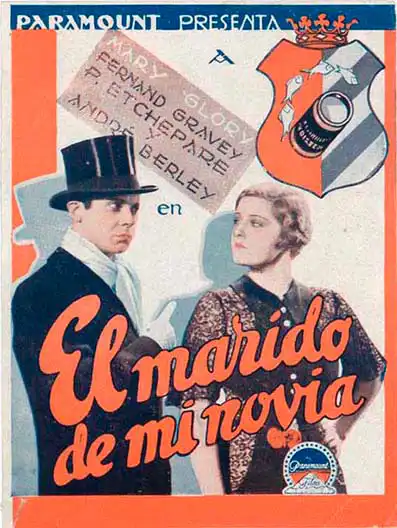
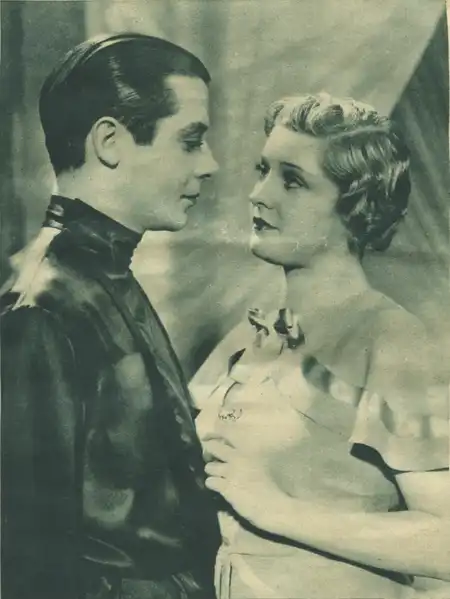
Marie Glory is doing a lot of the heavy lifting. She has these wide eyes that do all the acting while the men around her are busy adjusting their monocles and looking important. It's subtle, I guess, if you like that sort of thing.
It’s not a masterpiece, and it doesn't try to be. It feels like a project made by people who knew exactly what their audience wanted in the 1930s. No more, no less.
I found myself thinking of Laugh, Clown, Laugh while watching this, mainly because both films lean so heavily into that performative, slightly tragic romanticism. It’s a specific flavor of storytelling that we just don’t do anymore. 🎩
Don't expect a revelation. Just expect to be transported somewhere slightly stiff, slightly shiny, and very, very French.