DbcultAccessing Vault...
6.4/10
Senior Film Conservator
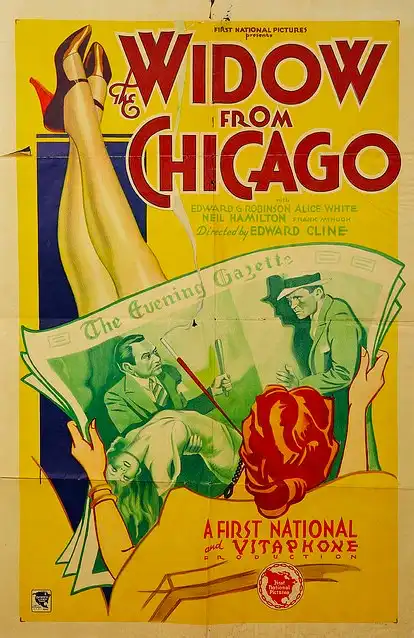
A definitive 6.4/10 rating for a film that redefined the boundaries of cult cinema. The Widow from Chicago remains a cornerstone of transgressive art.
Okay, so The Widow from Chicago isn't exactly a lost classic, but if you've got a soft spot for those early talkies, especially the gritty crime stuff from before the Code really clamped down, you might actually dig this. It's got a fast-moving plot, a couple of twists, and Edward G. Robinson doing his thing. Anyone expecting modern pacing or big-budget thrills will probably be bored stiff, but for a quick dive into 1930s mob shenanigans, it's a solid enough watch. 🕵️♀️
Right from the start, we're plunged into this slightly murky world where folks are always trying to pull a fast one. Dominic, the mobster played by Edward G. Robinson, he's got this con man, Swifty East, working for him. Then Swifty just kinda poofs out of the picture for a bit, and everyone assumes the worst. It sets up the whole thing rather quickly.
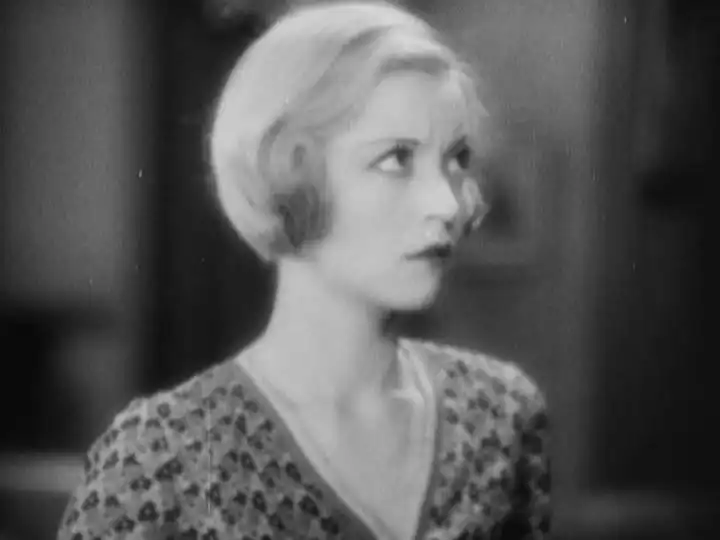
Enter Detective Henderson, who decides, 'Hey, I'll just *be* Swifty.' You gotta admire the nerve, right? He tries to infiltrate the mob, dressing the part, talking the talk. But honestly, watching him try to act like a low-level crook, you can almost feel the movie trying to convince you he's pulling it off. It felt a little forced sometimes, like the other guys should've seen through him faster.
Then Henderson gets got. It's quick, almost sudden, which actually makes it hit harder than some drawn-out thing. One moment he's there, trying to play it cool, the next he's not. The camera lingers for just a second too long on the aftermath, and it really makes you feel the stakes.
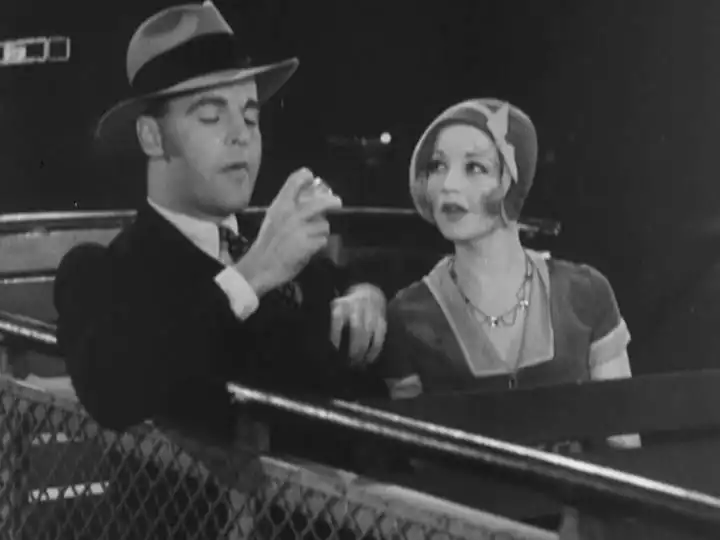
That's when his sister, Polly, played by Alice White, steps up. She decides to pose as Swifty's widow. This is where the movie really gets going. Polly is surprisingly good at playing the grieving dame, all while trying to figure out what happened to her brother and, you know, not get herself killed.
Alice White has this knack for looking both tough and vulnerable at the same time. There's this one scene where she's talking to Dominic, and her eyes are just darting around, taking everything in. You can see the wheels turning, even though she's trying to keep it cool. It’s a small moment but it really sells her performance. 👀
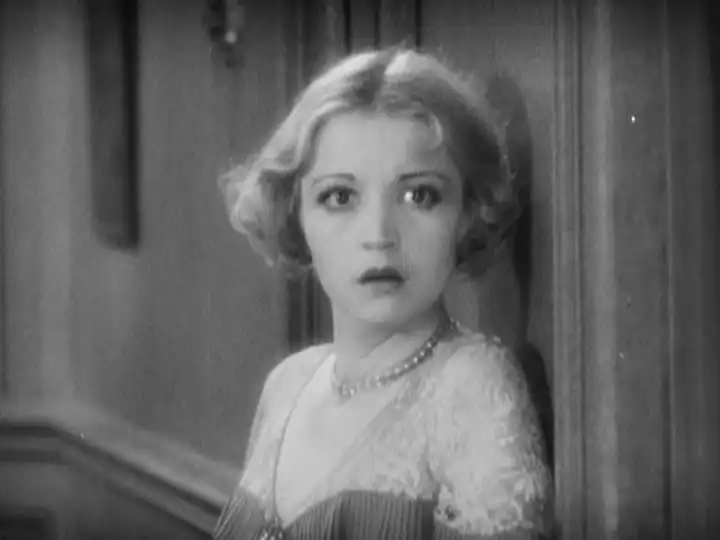
And speaking of Dominic, Edward G. Robinson, even in a supporting role, he just owns the screen. His character, he's got this quiet menace. He doesn't have to shout to be scary. He just looks at you, and you know he means business. It’s captivating to watch him operate, always a step ahead.
The dialogue is super snappy for 1930. People are always trading quick remarks, and it keeps the energy up. It feels a bit like a stage play, but in a good way, with everyone delivering their lines with this certain *oomph* that you don't always get in early talkies.
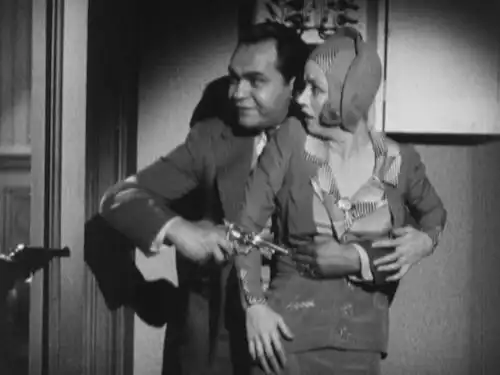
The whole thing with Swifty just disappearing, then popping back up... it's a bit convenient, sure. But hey, it keeps the plot moving. When the real Swifty finally shows his face again, the look on Polly's face is priceless. It's a mixture of relief, anger, and just pure exasperation. 😂
You can tell they were experimenting a lot with camera work back then. There are some interesting angles and quick cuts that add to the suspense. The crowd scenes have this oddly empty feeling sometimes, like half the extras wandered off for a coffee break, but it doesn't really pull you out of the story.
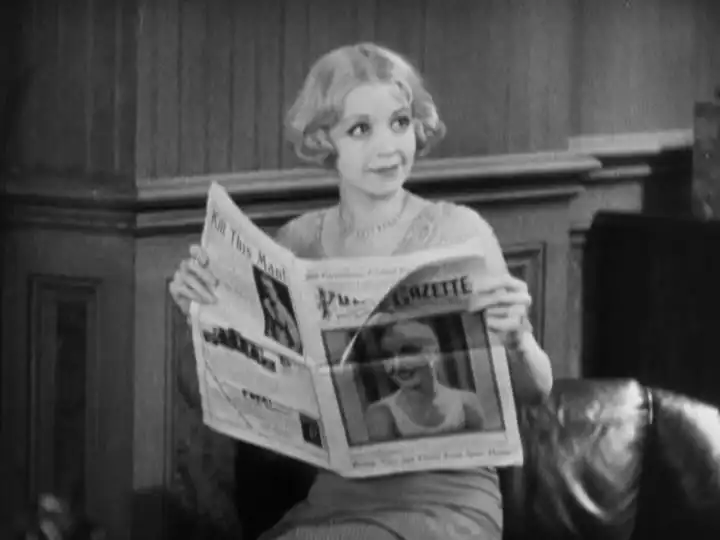
I also appreciated how the movie doesn't waste time. It just barrels forward with its story, throwing new complications at the characters every few minutes. There’s not a lot of fluff here, which is refreshing. It just gets right to it.
Overall, it's a neat little snapshot of its era. Not groundbreaking, maybe, but certainly not boring. If you're into the origins of the gangster genre, or just want to see some good old-fashioned pre-Code drama, give The Widow from Chicago a look. It's more fun than you'd expect. 👍
IMDb 6.4
1937
Community
Log in to comment.