DbcultAccessing Vault...
5.8/10
Senior Film Conservator
A definitive 5.8/10 rating for a film that redefined the boundaries of cult cinema. Twelve Miles Out remains a cornerstone of transgressive art.
Is Twelve Miles Out a film worth your time in the modern age? Short answer: Yes, but only if you are prepared for a dose of toxic masculinity served with a side of high-seas adventure. This film is essential viewing for students of silent cinema and fans of John Gilbert’s transition from 'Great Lover' to gritty anti-hero; it is most certainly not for viewers who require their protagonists to be morally upright or their romances to be based on mutual consent.
This film remains a significant piece of 1927 cinema because it showcases a raw, unpolished side of MGM stardom that was often buffed away by studio gloss. It captures the frantic, lawless energy of the Prohibition era better than many of its contemporaries. However, the narrative logic is fueled by a dated 'caveman' philosophy that might alienate contemporary audiences.
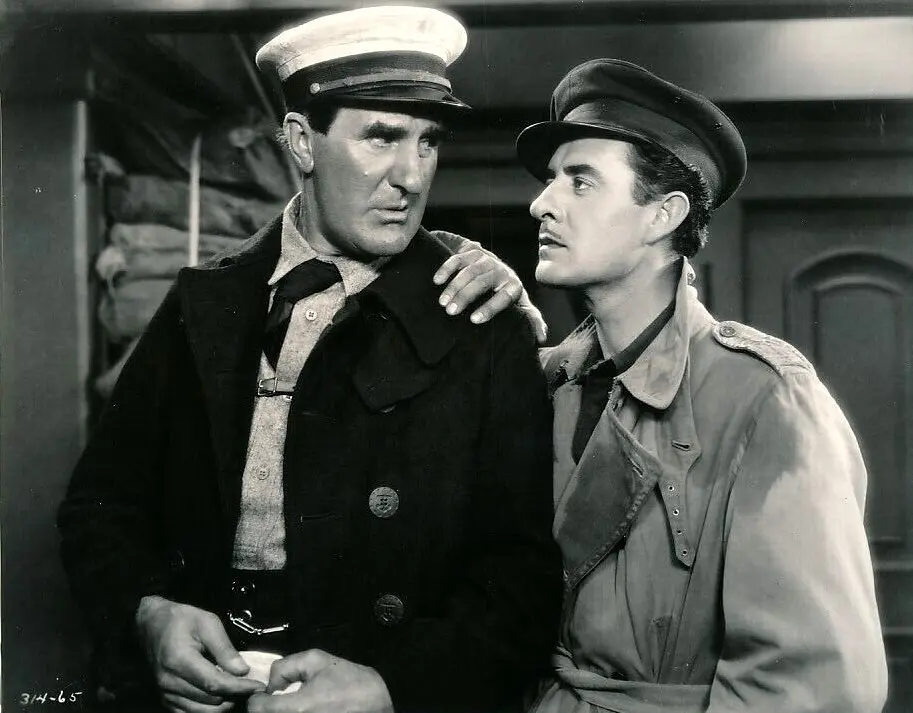
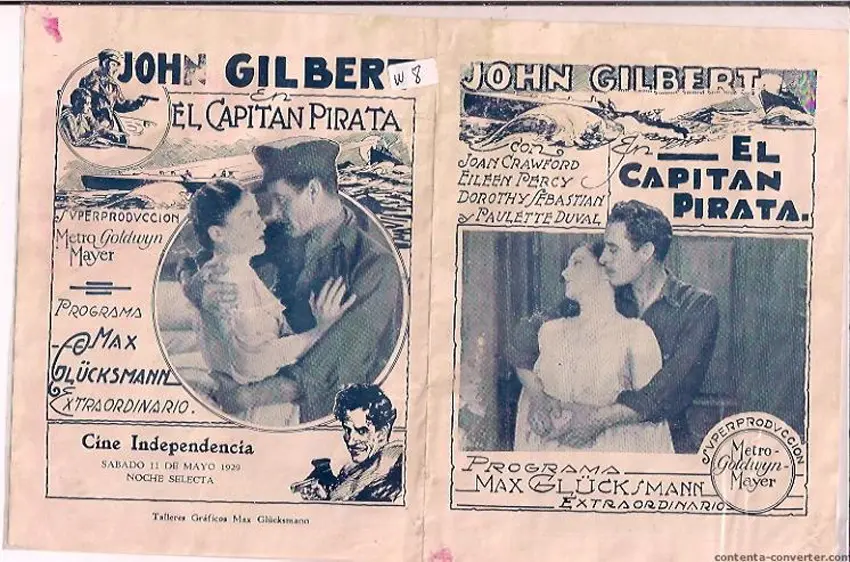
John Gilbert was the king of the MGM lot, but Twelve Miles Out represents a fascinating pivot in his career. Usually cast as the dashing, refined romantic, here he is Jerry—a man who smells of salt air and illegal gin. Gilbert’s performance is twitchy, aggressive, and undeniably magnetic. He doesn't just walk into a room; he invades it. This is a far cry from the more traditional heroism seen in films like The Covered Wagon.
Consider the scene where Jerry first takes over Jane’s home. He doesn't offer excuses. He doesn't beg for shelter. He simply takes it. Gilbert uses his eyes—those famous, expressive silent-film eyes—to convey a sense of entitlement that is both terrifying and, within the context of 1920s cinema, strangely alluring. It is a masterclass in screen presence that transcends the lack of dialogue.
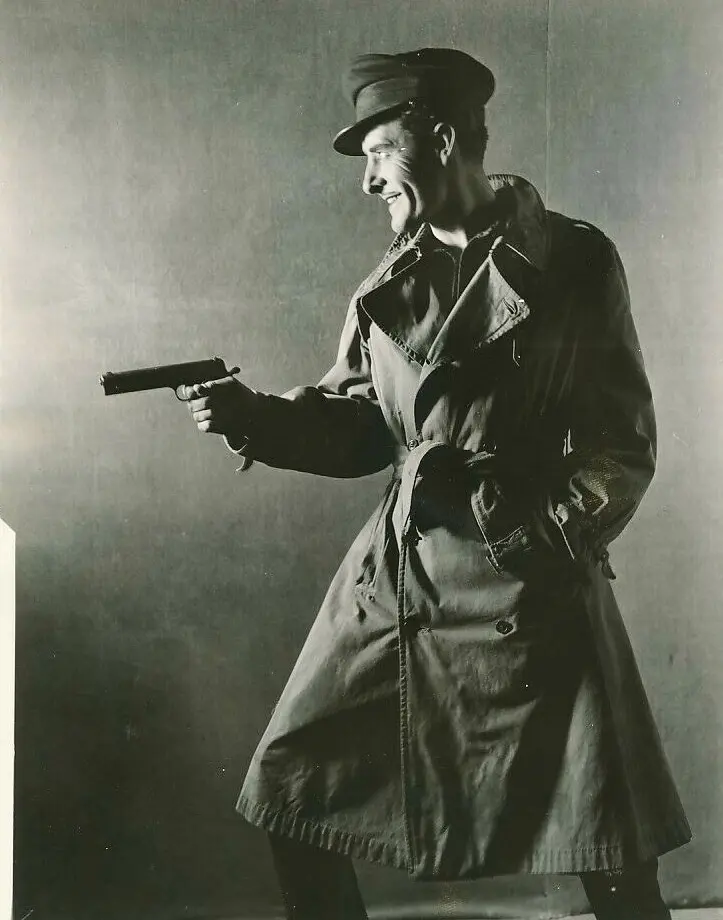
The rivalry with Red, played with brutish efficiency by Ernest Torrence, provides the film's backbone. Their conflict isn't just about booze or diamonds; it’s a prehistoric contest of wills. Every time they share the screen, the frame feels too small to contain their mutual loathing. It’s a masculine energy that feels far more visceral than the stylized drama of The Vortex.
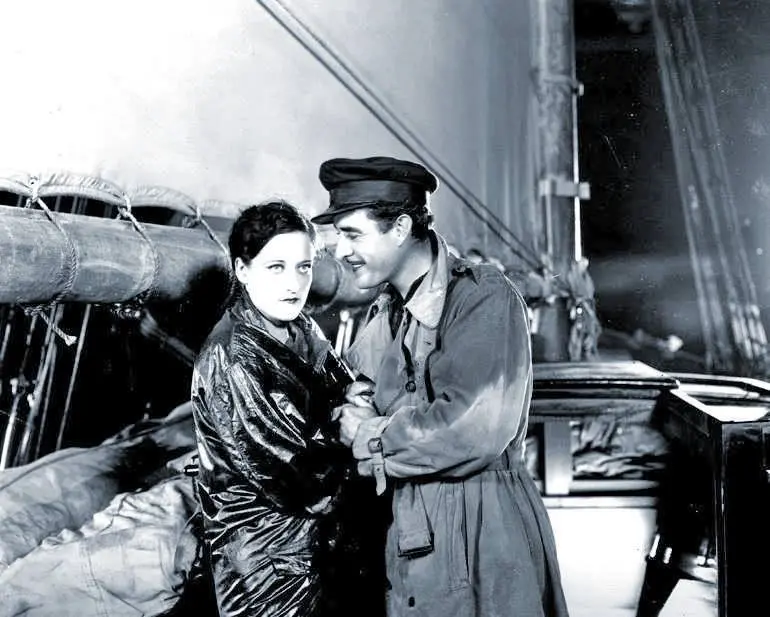
We have to talk about Jane. Dorothy Sebastian plays the role with a convincing level of initial terror, but the script betrays her character in the second half. The 'twelve miles out' of the title refers to the legal limit, but it also serves as a metaphor for a place where social rules no longer apply. Once on the boat, Jane’s shift in affection feels like a plot necessity rather than a character evolution.
"It works. But it’s flawed. The film asks us to believe that a woman would fall for her kidnapper simply because he is more 'manly' than her fiancé."
This is the film's biggest hurdle for a modern viewer. The fiancé, John, is depicted as a weakling simply because he objects to being kidnapped and shot at. In the film’s moral universe, Jerry’s violence is a virtue, and John’s civility is a vice. It is a brutal, simple worldview. If you can't accept that conceit, the film becomes a difficult watch.
Director Jack Conway deserves credit for the film's pacing. The transition from the land-based first act to the maritime second act is seamless. The cinematography on the boat is particularly impressive for 1927. The camera feels mobile, capturing the rocking motion of the ship and the cramped, sweat-soaked atmosphere of the engine room and cabins.
One specific moment stands out: the final shootout. It isn't a clean, choreographed duel. It is messy, dark, and chaotic. The use of shadows and the tight framing create a sense of genuine peril. This isn't the grand, sweeping adventure of a film like Prince of the Saddle; it is a claustrophobic death match.
The film also features a very young Joan Crawford in a minor role. While she isn't on screen long, her presence is a reminder of the MGM star machine in full swing. Even in a bit part, she possesses a spark that hints at the legend she would become. Her inclusion adds a layer of historical interest for those tracking the evolution of Hollywood royalty.
If you are interested in how the silent era handled grit and 'pre-code' sensibilities before they were even a formal concept, then Twelve Miles Out is essential. It is a film that refuses to play nice. It is ugly, violent, and morally bankrupt, yet it is undeniably well-made. It captures a specific moment in American history—the desperation and thrill of Prohibition—with a sincerity that later talkies would often caricature.
However, if you are looking for a lighthearted adventure or a romance that respects its female lead, look elsewhere. This is a film about hard men doing hard things in a hard world. It is a relic, but a fascinating one. It pulses with a life that many of its more 'polite' contemporaries lack.
Twelve Miles Out is a punch to the gut of silent cinema tradition. It strips away the Victorian manners that still clung to many 1920s films and replaces them with a salty, whiskey-soaked realism. John Gilbert proves he was more than just a pretty face, delivering a performance of terrifying conviction. While the romantic elements have aged poorly, the film's technical prowess and narrative tension remain intact. It is a dark, uncompromising voyage that deserves its place in the conversation of great late-silent dramas. Just don't expect a happy ending that feels earned by modern standards.
IMDb —
1922
Community
Log in to comment.