DbcultAccessing Vault...
6.7/10
Senior Film Conservator
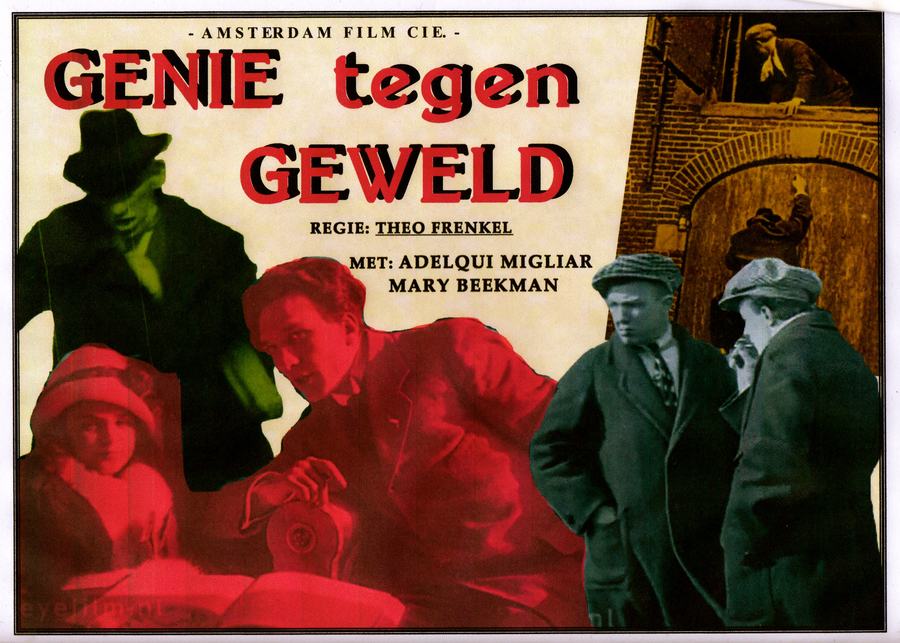
A definitive 6.7/10 rating for a film that redefined the boundaries of cult cinema. Genie tegen geweld remains a cornerstone of transgressive art.
Stepping back into the annals of cinematic history, we often encounter works that, despite their age, resonate with an uncanny prescience, speaking to enduring human struggles and aspirations. Theo Frenkel's 'Genie tegen geweld', a Dutch silent film masterpiece, is precisely such a creation. Its very title, translating to 'Genius Against Violence', immediately posits a conflict of profound philosophical depth, a timeless struggle between intellect and brute force, sophistication and savagery. This isn't merely a film; it's a meticulously crafted allegory, a silent symphony of suspense orchestrated around one of humanity's most coveted objects: the diamond.
The narrative unfurls in the labyrinthine beauty of Amsterdam, a city whose historical charm and intricate waterways provide a perfect, atmospheric backdrop for a tale steeped in intrigue. Our story pivots on the arrival of the Koh-I-Noor II, an eponymous successor to a legend, and described as the largest diamond ever discovered. Its mere existence casts a long shadow, drawing the gaze of both the honorable and the nefarious. This colossal gem is brought to the Netherlands by Van Duylen, a representative of a powerful diamond syndicate, whose very demeanor suggests the immense weight of his responsibility. He is not just a courier; he is a sentinel, a guardian of unparalleled value.
The diamond's destination is one of Amsterdam's oldest and most revered diamond-cutting establishments. These hallowed workshops, where light is coaxed from stone through generations of expertise, become the crucible for the film's central conflict. The expectation is that here, the raw potential of the Koh-I-Noor II will be realized, its facets meticulously carved to reveal blinding brilliance. However, the sheer magnitude of its worth attracts a different kind of attention—an insidious, covetous gaze from those who seek to circumvent the artistry and claim the prize through less scrupulous means. This is where the 'geweld' truly enters the equation, not just as physical aggression, but as the destructive force of avarice and desperation.
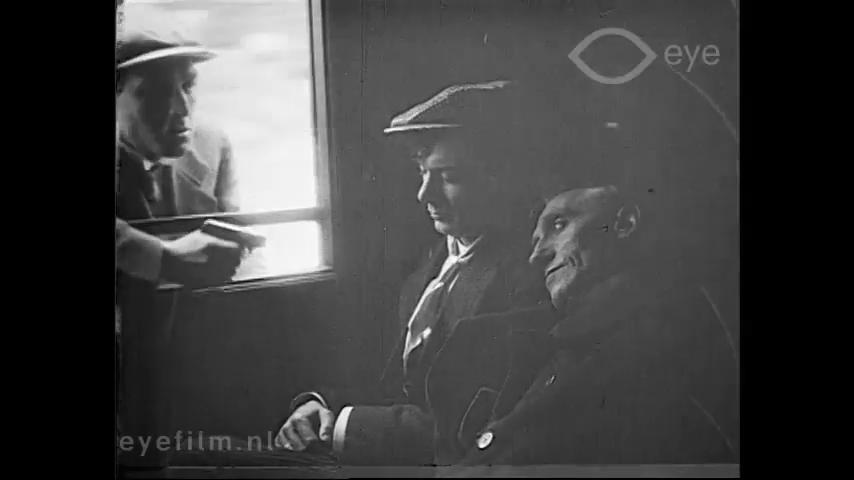
Frenkel's direction, even in the silent era, demonstrates a keen understanding of visual storytelling. The initial scenes, one can imagine, would meticulously establish the grandeur of the diamond, perhaps through close-ups that emphasize its breathtaking scale and purity. Simultaneously, the director would likely employ subtle cues—a lingering shadow, a furtive glance from a background character, an ominous shift in lighting—to build an escalating sense of unease. The city itself, with its narrow alleyways and reflective canals, becomes a character, its beauty masking potential danger, a silent witness to the impending clash.
The cast, featuring names like Jan Cijsch, Herman Hulsman, and Mary Beekman, would have been tasked with conveying complex emotions and motivations without the aid of dialogue. This demands a mastery of physical expression, nuanced facial performance, and a profound understanding of character archetypes prevalent in silent cinema. Van Duylen, for instance, would likely be portrayed with a solemn gravitas, his internal struggle between duty and the ever-present threat etched onto his face. The antagonists, perhaps led by a figure like Adelqui Migliar or Jacques van Hoven, would embody the 'geweld'—their movements sharp, their expressions predatory, contrasting starkly with the measured elegance of the 'genie'.
The 'genius' in 'Genie tegen geweld' is not necessarily a single individual of prodigious intellect, but rather a collective force of human ingenuity, foresight, and ethical resolve. It encompasses Van Duylen's strategic planning, the diamond cutters' meticulous skill, and perhaps the investigative prowess of a detective character, all working in concert to safeguard the invaluable gem. This 'genius' is pitted against the 'violence'—the cunning schemes, the desperate ploys, the outright aggression of those who seek to steal the diamond. The film, therefore, becomes a fascinating study in the psychology of crime and the intricate dance of prevention.
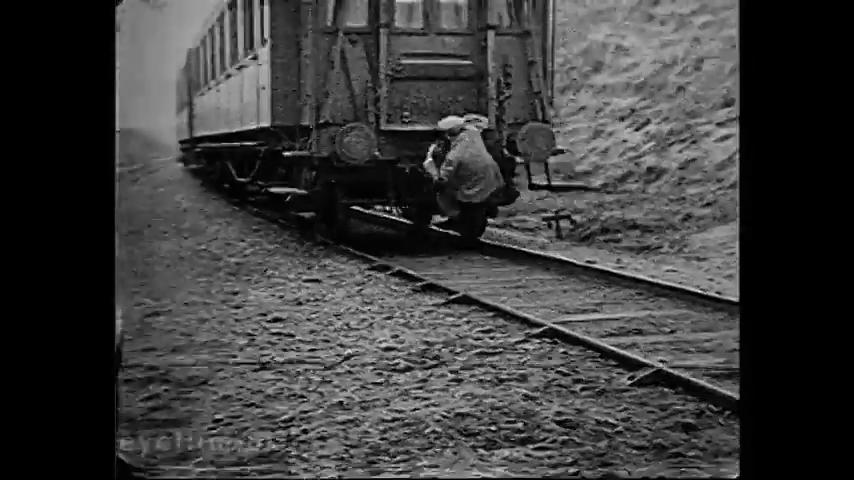
Frenkel's approach to suspense would likely involve a slow burn, gradually escalating the tension through near misses, intercepted messages, and the constant psychological pressure on the protagonists. Unlike modern thrillers that often rely on rapid-fire action, silent films excelled at building atmosphere and dread through visual suggestion and the audience's own imagination. The vulnerability of the diamond, even within the supposed security of the cutting establishment, would be a recurring motif, emphasizing that no fortress is impenetrable when greed is the battering ram. The film might cleverly use the very tools of the diamond trade—magnifying glasses, precise instruments—as metaphors for the keen observation and analytical thought required to outwit the criminals.
In comparing 'Genie tegen geweld' to other films of its era, one might draw parallels with the intricate crime narratives found in works like The Blacklist or even the more exotic thrillers such as The Opium Runners. While the specific illicit substance or object of desire might differ, the underlying tension of a valuable commodity attracting dangerous elements, and the subsequent struggle to protect it, remains a universal theme. Frenkel's film, however, seems to elevate this struggle to a more allegorical plane, explicitly framing it as a battle of abstract forces rather than merely a police procedural.
The film's exploration of Amsterdam is also noteworthy. Rather than merely a setting, the city becomes an active participant in the drama. Its unique architecture, the interplay of light and shadow on its historic buildings, and the ceaseless flow of its canals would have been utilized to enhance the narrative. Imagine chase sequences through cobblestone streets, clandestine meetings on misty bridges, or tense confrontations in dimly lit warehouses along the waterfront. These visual elements, combined with a compelling score (which, though unheard today, would have been integral to its original presentation), would have immersed contemporary audiences in a world of high stakes and palpable danger.
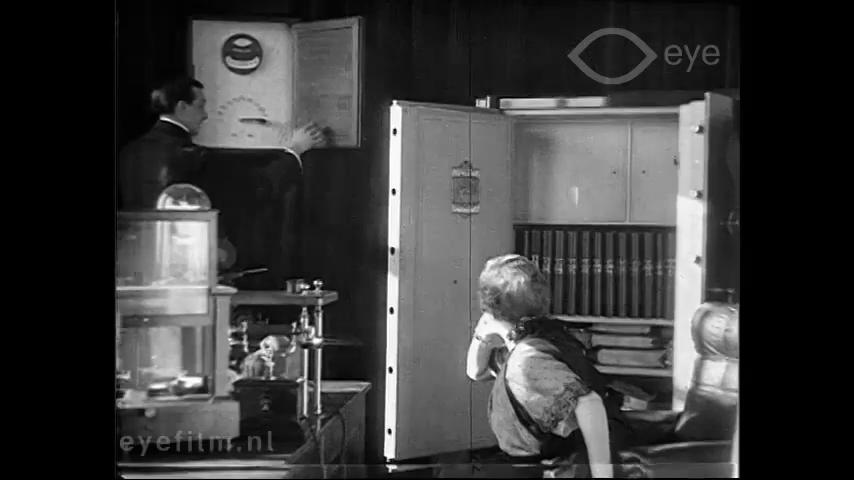
The thematic core of 'Genie tegen geweld'—the triumph of intellect over brute force—is particularly resonant. In a world often swayed by aggression and physical might, a narrative championing strategic thinking, meticulous planning, and moral steadfastness offers a powerful counter-narrative. The 'genius' here is not merely about outsmarting opponents; it's about upholding a certain order, preserving beauty, and demonstrating the superiority of a civilized approach to problem-solving. This makes the film's message enduring, transcending the specific details of its plot.
The performances of the supporting cast—Hetty Ruijs, Henni Hillebrand, Aaf Bouber, Piet Fuchs, Jan Lemaire Sr., Hendrik Kammemeijer, Manus Hulsman, and Jacques Sequeira—would have been crucial in fleshing out the world of the film. Each character, no matter how minor, would contribute to the tapestry of suspense and moral ambiguity. Perhaps some play unwitting pawns, others provide comic relief that momentarily eases the tension, while still others might be red herrings, designed to misdirect both the protagonists and the audience. The ensemble's ability to communicate their roles without dialogue speaks volumes about the craft of silent acting.
Frenkel's legacy as a writer and director is cemented by his ability to weave such intricate tales. His understanding of human nature, particularly its darker impulses, allows him to craft villains who are both menacing and, at times, tragically misguided. The 'geweld' is not always purely evil; it can stem from desperation, from a distorted sense of justice, or from the irresistible pull of immense wealth. This complexity adds layers to the narrative, preventing it from devolving into a simplistic good-versus-evil dichotomy. Instead, it explores the nuanced shades of human morality when confronted with temptation.
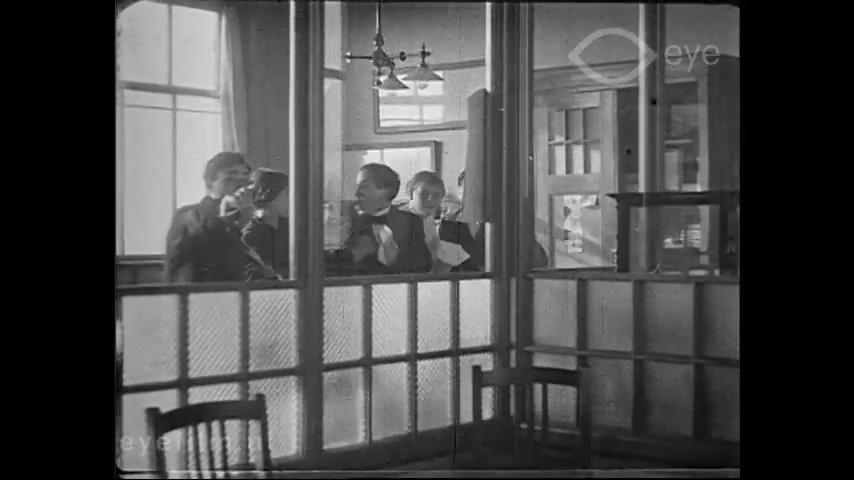
The technical aspects of silent filmmaking, particularly in a European context, often showcased a different aesthetic compared to Hollywood productions of the same era. European directors frequently embraced more naturalistic lighting, location shooting, and a psychological depth that sometimes felt more subtle. Frenkel, as a Dutch filmmaker, would have brought a distinct perspective, perhaps infusing the narrative with a certain understated realism that grounds the fantastical element of the colossal diamond in a believable world. The use of intertitles, while a necessity, would have been carefully crafted to advance the plot, provide exposition, and even inject moments of dramatic irony or philosophical reflection.
Consider the juxtaposition of the diamond-cutting establishment itself. It is a place of precision, patience, and profound beauty, where the raw earth is transformed into something sublime. The 'violence' that threatens it is an affront to this creative process, a destructive impulse that seeks to bypass the arduous journey of craftsmanship for instant gratification. This philosophical subtext elevates 'Genie tegen geweld' beyond a mere crime thriller; it becomes a meditation on the value of labor, the integrity of art, and the disruptive power of greed. The very act of cutting the Koh-I-Noor II becomes a race against time, a symbol of the 'genius' working diligently while 'violence' lurks at the periphery.
While direct comparisons to other films on the provided list might not always align perfectly in genre, the thematic undercurrents can certainly connect. For instance, the societal anxieties and moral quandaries explored in The Hun Within or the personal struggles of characters navigating difficult circumstances in A Wife by Proxy or The Love Thief, all speak to the human condition under pressure. 'Genie tegen geweld' similarly places its characters under immense duress, forcing them to confront their deepest fears and draw upon their inner strength. The stakes, however, are perhaps grander, involving an object of global significance.
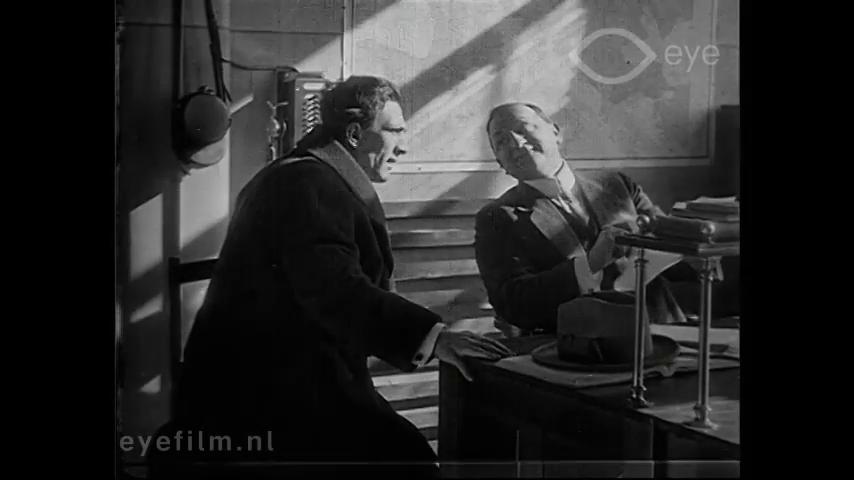
The legacy of 'Genie tegen geweld' lies not just in its intriguing plot or its atmospheric setting, but in its eloquent articulation of a universal theme. It reminds us that true strength often resides not in physical might, but in the power of the mind, in the unwavering commitment to principle, and in the collective efforts of those who value creation over destruction. The silent era, often overlooked in contemporary discourse, was a period of incredible innovation and artistic expression, and films like Frenkel's stand as testament to its enduring power. They speak a language beyond words, a visual poetry that continues to captivate and provoke thought.
In its climactic moments, one can envision a breathtaking showdown, a cerebral chess match where the 'genius' character—perhaps Van Duylen himself, or a clever accomplice—orchestrates a brilliant counter-move against the 'geweld'. It's not about explosions or gratuitous fisticuffs, but about a meticulously planned deception, a subtle trap, or an unexpected revelation that turns the tables. The satisfaction of the resolution would come from witnessing intellect outmaneuver aggression, proving that even the most valuable treasures can be protected not just by force, but by the sheer brilliance of the human mind.
The film serves as a compelling argument for the preservation and study of silent cinema. These works offer a window into a bygone era of storytelling, where narrative relied heavily on visual cues, emotional performances, and the immersive power of accompanying music. 'Genie tegen geweld', with its high stakes, compelling characters, and timeless theme, would undoubtedly have been a gripping experience for audiences of its time, and it continues to hold significant historical and artistic value today. It is a testament to Theo Frenkel's vision and the collaborative artistry of the Dutch film industry during a pivotal period in cinema's development. Its narrative, though seemingly simple on the surface, unravels into a complex web of human motivations, making it a true gem in the crown of early European cinema. The enduring appeal of this silent classic lies in its ability to transcend its historical context and speak to an audience across generations about the eternal battle between ingenuity and destructive impulse, a battle as relevant today as it was in the silent era's bustling Amsterdam. The sheer audacity of the criminals, juxtaposed with the methodical defense, paints a vivid picture of a society grappling with the allure and danger of immense wealth, a theme that resonates deeply even now. It is a film that invites us to appreciate the subtle power of thought in overcoming overwhelming odds, a narrative triumph that confirms the adage that the pen, or in this case, the mind, is indeed mightier than the sword.
IMDb —
1920
Community
Log in to comment.