DbcultAccessing Vault...
6.6/10
Senior Film Conservator
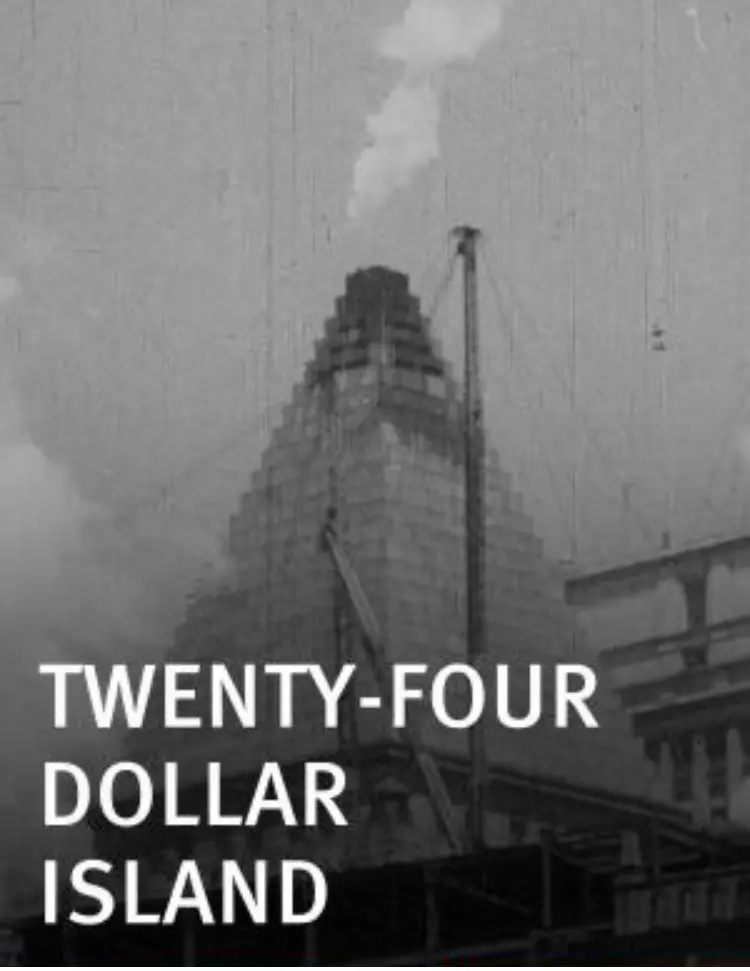
A definitive 6.6/10 rating for a film that redefined the boundaries of cult cinema. Twenty-Four-Dollar Island remains a cornerstone of transgressive art.
Is 'Twenty-Four-Dollar Island' worth watching today? Short answer: absolutely, but with a critical eye for its historical context and a keen appreciation for early documentary filmmaking. This film is a must-see for historians, urban planners, and anyone fascinated by the raw, unpolished genesis of New York City's iconic skyline. However, those seeking a traditional narrative or contemporary production values might find its silent, observational style a challenging watch.
Robert J. Flaherty’s 1926 short, ‘Twenty-Four-Dollar Island,’ isn't just a historical curiosity; it's a foundational document in the cinematic exploration of urban development. It presents a stark, almost brutalist, portrait of Manhattan’s ceaseless growth, stripping away sentimentality to reveal the mechanical and manual labor that built a legend. While it lacks the narrative drive of his more famous works, its power lies in its unvarnished visual record.
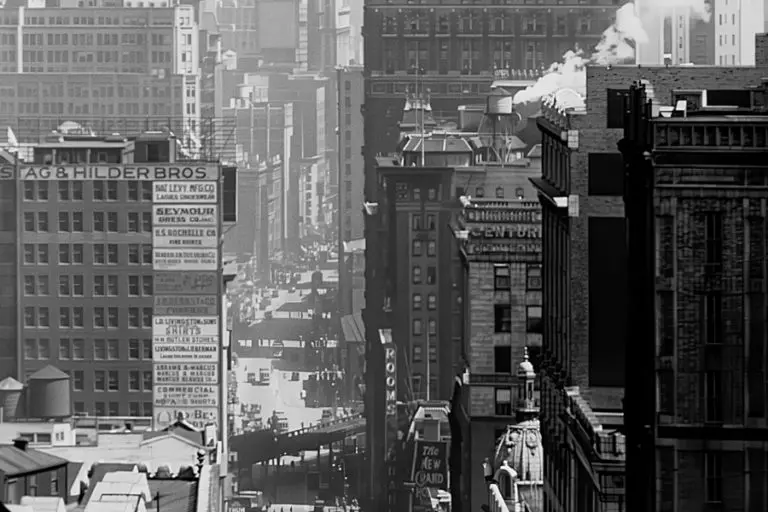
This film works because it provides an unparalleled, visceral glimpse into the physical demands of early 20th-century construction, capturing a moment when human and machine power converged to reshape the very earth. This film fails because its lack of a human-centric narrative or emotional arc can make it feel more like an industrial showcase than a compelling cinematic experience for modern audiences. You should watch it if you are deeply interested in the history of documentary, urban development, or the sheer spectacle of human ingenuity and labor.
Flaherty’s ‘Twenty-Four-Dollar Island’ is a monumental ode to the act of creation, a silent testament to the forging of one of the world’s most iconic cities. It opens not with a flourish, but with the pragmatic acknowledgement of Manhattan’s humble, almost transactional beginnings – a mere $24 exchange for an island that would become a global titan. This historical footnote serves as a potent ironic counterpoint to the colossal scale of development that follows, setting a tone of awe mixed with a certain detached pragmatism.
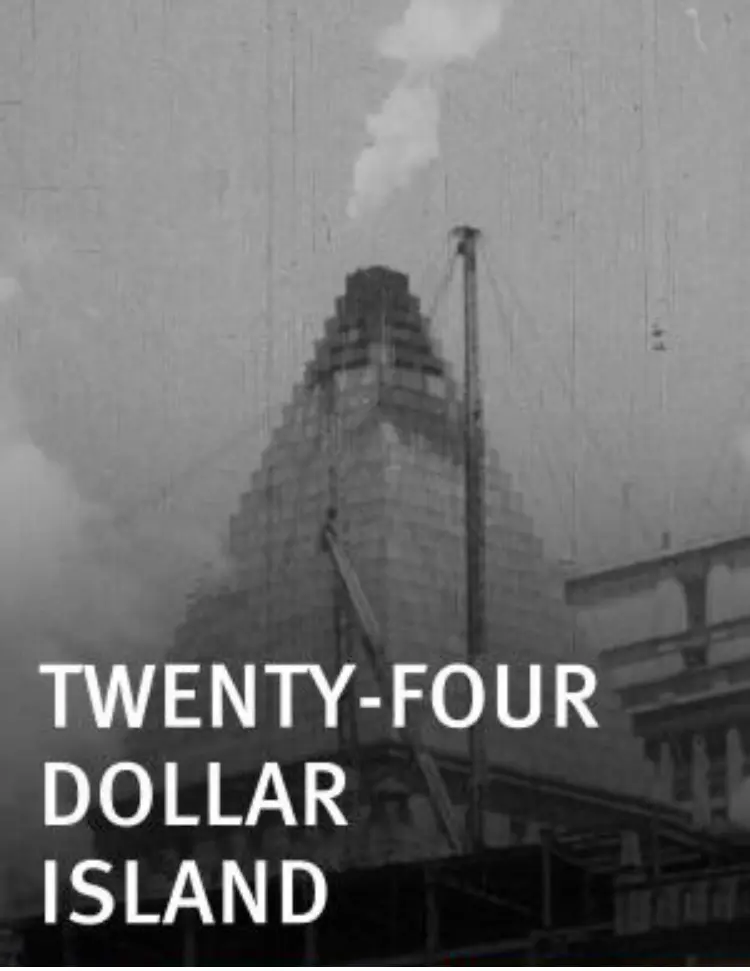
The film’s cinematography, even by today's standards, possesses a raw, almost primal energy. Flaherty, often credited as the father of documentary film, employs his camera not just as an observer but as an active participant, almost a character in itself. We are pulled close to the action, feeling the grit and sweat of the laborers. The image of a huge-jawed steam shovel dredging at the river’s edge is particularly striking. It’s a mechanical beast, tearing into the earth with an almost predatory grace, symbolizing the relentless human ambition to dominate and reshape nature.
The pacing is deliberate, meditative even, allowing the viewer to absorb the sheer scale of the undertaking. There are no quick cuts or flashy edits; instead, the camera lingers on the details of labor: men swinging pickaxes, the rhythmic thud of sledgehammers, the endless scoop and toss of shovels. These aren't just actions; they are rituals, performed by an anonymous army of workers whose collective effort is the true subject of the film. It's a brutalist ballet of brawn and steel, a fascinating contrast to the bustling, often chaotic image of Manhattan we hold today.

Flaherty’s direction here is less about crafting a story and more about presenting a grand, observational tableau. He doesn't invent drama; he finds it in the very act of construction. The slow examination of a stately building by the shore, juxtaposed with the burgeoning city behind and beside it, is a powerful visual metaphor. It speaks volumes about continuity and change, the old giving way to the new, yet remaining anchored by the island’s enduring presence. The tone is reverent, almost spiritual, in its appreciation of human industry, elevating manual labor to an art form.
Robert J. Flaherty’s approach to filmmaking was always distinct, and ‘Twenty-Four-Dollar Island’ exemplifies his early, pioneering spirit. While he’s most celebrated for ethnographic films like ‘Nanook of the North,’ which blended staged elements with real-life observations to create compelling narratives, this short piece offers a different facet of his genius. Here, the focus shifts from the human struggle against nature to the human struggle *with* nature, in the service of an urban ideal. It’s less a film about individual people and more a film about *willpower* incarnate, manifested in concrete and steel.

One could argue Flaherty romanticizes the sheer grind of labor, perhaps overlooking the human cost in favor of the grand spectacle. Yet, his lens isn't entirely naive. There’s a starkness to the imagery that acknowledges the immense physical toll. The faces of the laborers, though often obscured by shadow or distance, convey a quiet determination that resonates even in a silent film. Flaherty’s camera doesn't shy away from the dirt, the dust, or the sheer scale of the holes being dug. He understands that true majesty often emerges from arduous, unglamorous beginnings.
An unconventional observation about this film is that the true star here isn't Manhattan itself, but the relentless, almost primal *act* of its becoming. The island, in its completed state, is merely the grand finale. The real drama unfolds in the repetitive, back-breaking work that precedes it. This focus on process over product is what gives the film its unique power and makes it a fascinating study for anyone interested in how cities are truly built, not just imagined.
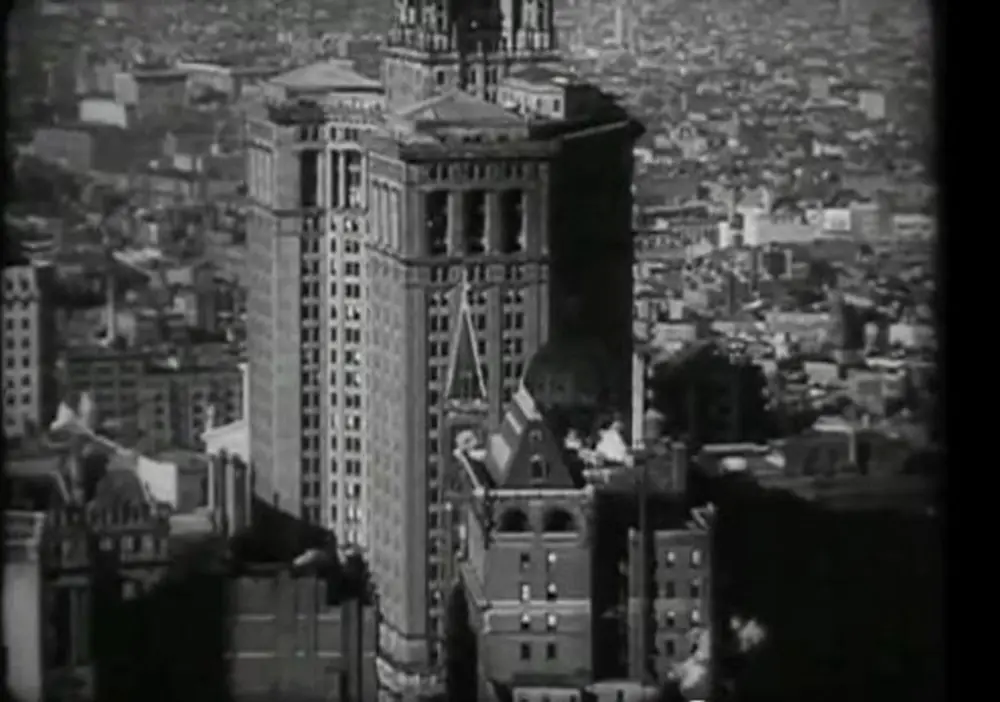
The film’s tone is one of detached admiration. There’s no voiceover to guide our emotions, no characters to root for. Instead, we are presented with a series of meticulously framed observations, allowing the sheer visual impact to speak for itself. This demands a certain patience from the viewer, a willingness to engage with the film on its own terms, appreciating the silent symphony of construction rather than a conventional story arc. It’s a testament to Flaherty’s belief in the power of pure imagery to convey profound ideas.
Yes, 'Twenty-Four-Dollar Island' is worth watching, particularly for specific audiences. It offers a unique historical perspective. The film showcases early 20th-century construction methods. It's a valuable document for urban history. It’s also an important piece of early documentary cinema. Viewers should approach it with an appreciation for its era. It is not a modern, fast-paced documentary. Its value lies in its authenticity and the sheer scale of its subject.
As a time capsule, ‘Twenty-Four-Dollar Island’ is invaluable. It captures a pivotal moment in American history, when industrial might was at its zenith and the concept of progress was almost universally celebrated. The film doesn't delve into the social implications or environmental impact of such rapid development, choosing instead to focus on the mechanical marvel and human grit involved. This might strike some modern viewers as a form of unintentional propaganda, glorifying the relentless march of industry without critique.
However, to view it solely through a contemporary critical lens would be to miss its primary intent. Flaherty was documenting what he saw as a powerful, almost inevitable force of nature – the human drive to build and expand. The film is a snapshot of an era’s mindset, a celebration of engineering and human resilience. It’s a fascinating historical artifact that allows us to reflect on how our perceptions of progress and urban development have evolved over nearly a century.
The silence of the film is perhaps its most profound characteristic. In an age saturated with sound, where every documentary is filled with narration, sound effects, and musical scores, ‘Twenty-Four-Dollar Island’ forces us to engage purely visually. This absence of sound isn't a deficiency; it's a deliberate artistic choice that amplifies the visual impact. We are compelled to imagine the clang of steel, the roar of the steam shovel, the shouts of the laborers. The silence paradoxically makes the unseen sounds more powerful in our minds.
The pacing, as mentioned, is slow, but it’s a necessary slowness. It mirrors the arduous, often glacial pace of construction itself. Buildings don't spring up overnight; they are painstakingly assembled, piece by piece, day by day. Flaherty’s camera respects this process, allowing us to witness the unfolding of creation in real time, rather than a condensed, hyper-edited version. This measured rhythm gives the film an almost meditative quality, inviting contemplation rather than immediate gratification. It works. But it’s flawed. The lack of a sonic landscape, while artistically intriguing, can also be a barrier for audiences accustomed to more immersive experiences.
'Twenty-Four-Dollar Island' is more than just a film; it's an artifact. It's a window into an era of relentless ambition and a testament to the sheer physical effort required to manifest a vision of urban grandeur. Robert J. Flaherty’s early work here is less about entertainment and more about documentation, a stark and powerful record of a city in the throes of its monumental birth. While it demands patience and an appreciation for its historical context, its visual power remains undeniable. It's a foundational document. It demands patience. For those willing to engage with its silent, observational might, it offers a profoundly insightful, if somewhat dry, glimpse into the very foundations of modern Manhattan. Don't expect a thrilling narrative, but prepare for a powerful visual experience that speaks volumes about human endeavor.

IMDb 7
1932
Community
Log in to comment.