DbcultAccessing Vault...
6.6/10
Senior Film Conservator
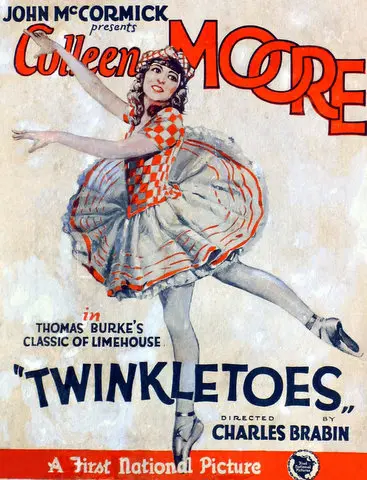
A definitive 6.6/10 rating for a film that redefined the boundaries of cult cinema. Twinkletoes remains a cornerstone of transgressive art.
Is Twinkletoes a hidden classic of the silent era or just another relic of 1920s melodrama? Short answer: yes, it is a vital watch, but only for those who can appreciate the oppressive gloom of the 'Limehouse' subgenre. This film is for viewers who enjoy the intersection of gritty urban realism and high-stakes tragedy; it is not for anyone looking for a lighthearted musical, despite what the title might suggest.
At its core, this is a story about the fragility of hope in a world that smells of salt and coal dust. It works. But it’s flawed. The film attempts to balance a 'star is born' narrative with a police procedural and a marital thriller, and while it doesn't always stick the landing, the ambition is undeniable.
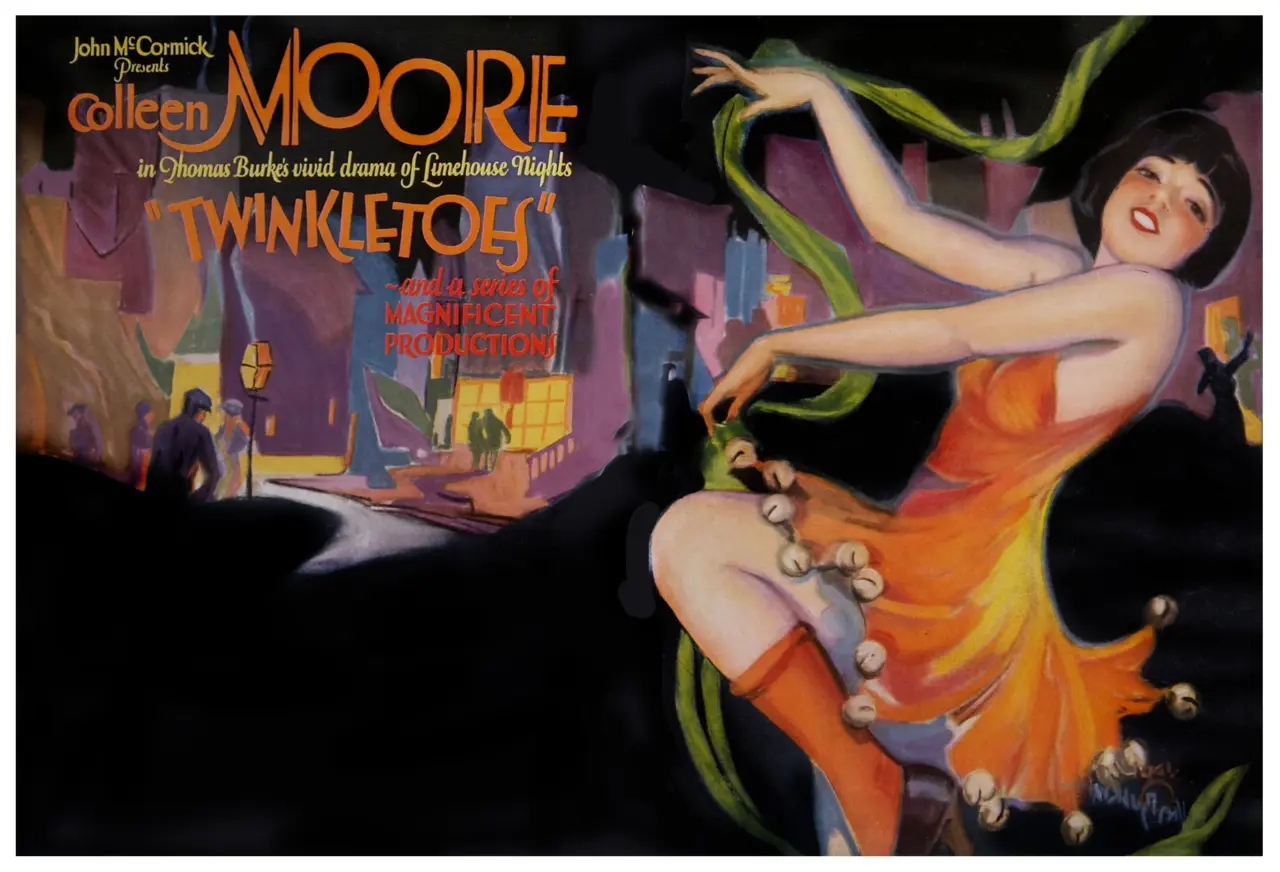
For those scanning for a quick verdict, here is the essential breakdown of why this film remains relevant in the 21st century.
The 1920s had a strange obsession with the Limehouse district of London. Influenced by the writings of Thomas Burke, filmmakers saw the docks as a place of fog-shrouded mystery and moral decay. In Twinkletoes, director Charles Brabin leans heavily into this aesthetic. Unlike the more sanitized versions of poverty seen in films like Annie-for-Spite, this film feels lived-in. The walls look damp. The characters look tired.
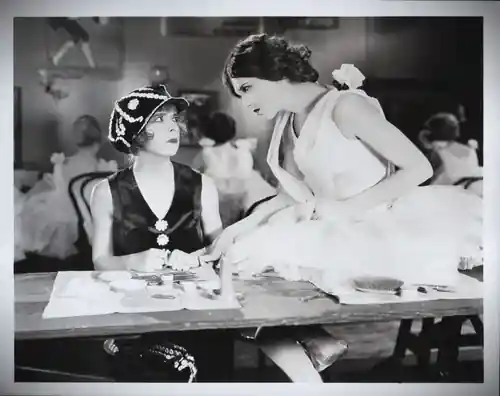
Take the scene where Twink’s father is painting signs. The lighting is low, highlighting the tremors in his hands. It’s a quiet moment that speaks volumes about the economic pressure that drives a man to burglary. This isn't the high-society drama of Cheap Kisses; this is a survival story. The contrast between the dirty streets and the bright, artificial lights of the stage where Twink performs is the film's strongest visual metaphor. When she is dancing, the world is white and silver; when she steps off-stage, the world reverts to shades of charcoal.
Colleen Moore was the quintessential flapper, but in Twinkletoes, she pivots toward something much darker. Her performance as Twink is a masterclass in suppressed anxiety. While she maintains the physical agility required for the dance sequences, it is her facial work during the film’s final third that lingers. There is a specific shot after her father's arrest where the 'twinkle' in her eyes is replaced by a hollow, thousand-yard stare. It is genuinely unsettling.
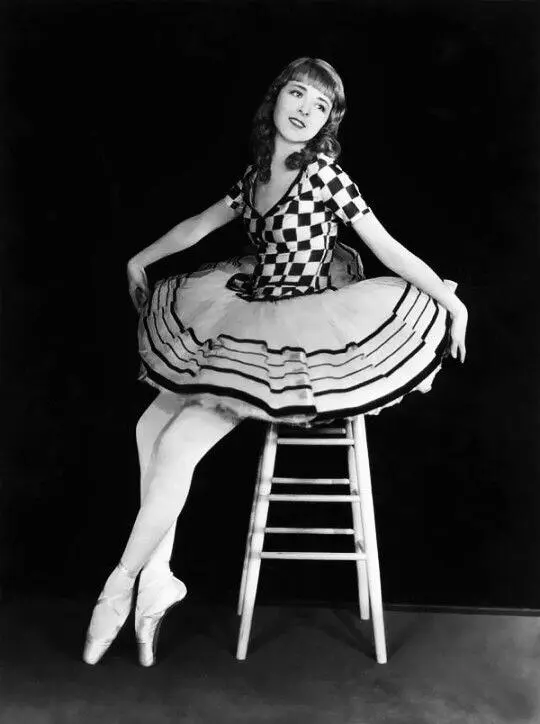
Many critics of the era compared her range here to her work in Sold at Auction, noting that she had moved past the simple 'gamine' archetype. I would argue that she is actually better at the tragedy than the dancing. The dance numbers are technically proficient, but her portrayal of a girl realizing her life is built on a lie is where the real power lies. She doesn't just play the victim; she plays the exhaustion of the victim.
Every melodrama needs a catalyst for misery, and Gladys Brockwell’s Cissie is a formidable one. She isn't just a 'drunken harridan'; she is a woman who has clearly been hollowed out by her own environment. Her jealousy of Twink isn't just about her husband, Chuck; it's about Twink’s youth and the possibility of escape. When Cissie discovers the father's secret life, her reaction isn't one of moral outrage, but of predatory glee. It’s a nasty, effective performance.
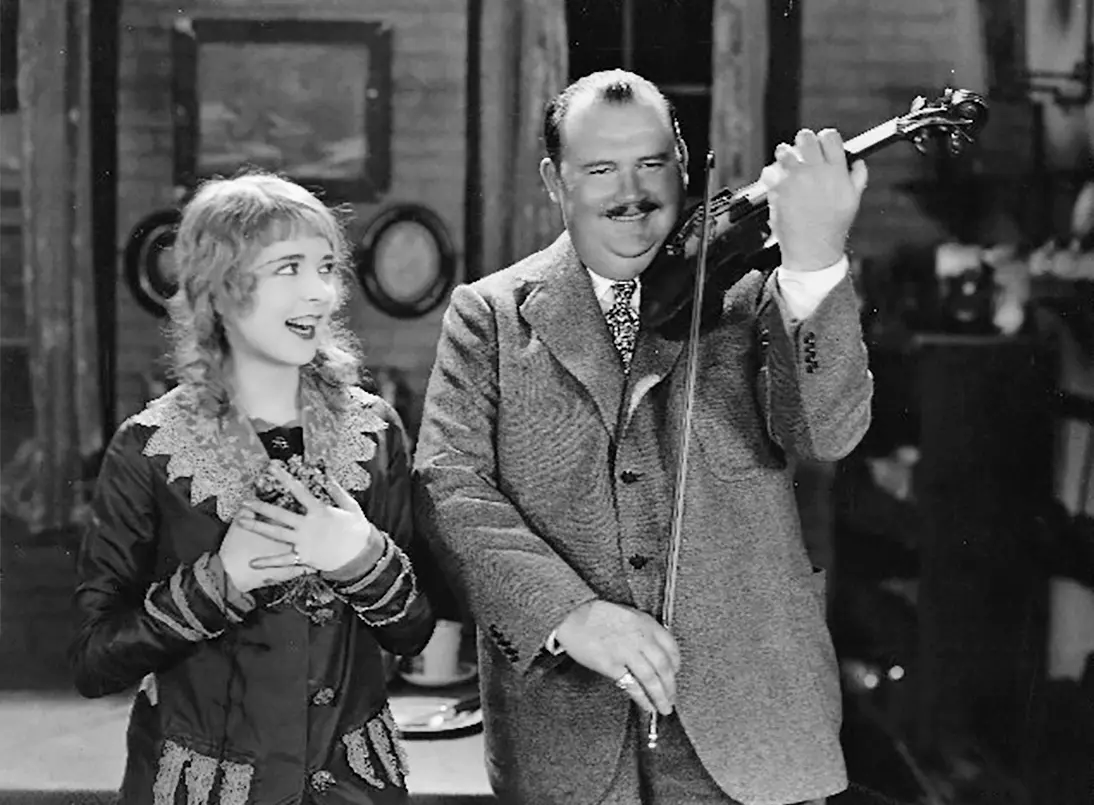
Kenneth Harlan as Chuck Lightfoot provides the necessary physical presence, but the character is somewhat underwritten. He is the 'noted prizefighter,' yet his internal struggle between his duty to his wife and his love for Twink is mostly conveyed through pained expressions. However, the scene where he confronts Cissie in their cramped apartment is a highlight. The blocking is tight, emphasizing that these characters are literally and figuratively trapped with one another. It’s a stark contrast to the open, airy feelings of films like The Sea Master.
The subplot involving Twink’s father, played with a heartbreaking fragility by Tully Marshall, is the film's most modern element. It raises questions about the 'unworthy poor' that still resonate. He isn't a career criminal because he enjoys the thrill; he is a man trying to provide a 'pure' life for his daughter in an impure world. The irony is thick: her success on stage is funded by his failures in the shadows.
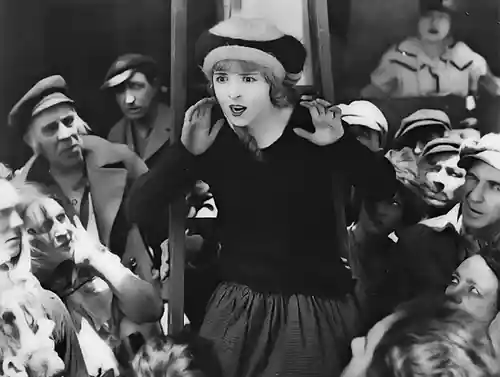
When the arrest happens, the film takes a sharp turn into social commentary. The theater audience, who cheered for Twink moments before, is quick to turn their backs. This fickle nature of fame is a recurring theme in silent cinema, often seen in films like Mystic Faces, but here it feels more personal. The scene on the bridge, where Twink contemplates ending it all in the Thames, is shot with a stark, haunting beauty. The water looks like ink. It is one of the few moments where the film allows itself to be truly poetic, and it works because the preceding hour was so grounded in grime.
If you are looking for a historical document of how the 1920s viewed the lower classes, yes. If you want to see a silent film star at the peak of her powers, yes. However, if you require a story that resolves its conflicts through character growth rather than coincidence, you might find the ending frustrating. The death of Cissie is a literal 'deus ex machina' that feels like the writers didn't know how to get Chuck and Twink together without violating the moral codes of the time.
That said, the journey to that ending is filled with technical brilliance. The use of shadows in the Limehouse theater is ahead of its time, echoing the German Expressionism that was filtering into Hollywood during this period. It’s a film that demands to be seen on a large screen, where the details of the set—the peeling wallpaper, the fog rolling over the docks—can be fully appreciated.
Twinkletoes is a fascinating, if occasionally clumsy, piece of cinematic history. It succeeds in creating a world that feels both magical and miserable, a feat that many modern films fail to achieve. While the 'happy' ending feels forced, the emotional core of the story—the bond between a father and daughter—is timeless. It is a stark reminder that even in the silent era, filmmakers were capable of exploring the darkest corners of the human experience. If you can look past the theatricality of the 1920s, you will find a film with a surprising amount of heart and a very dark soul. It’s a must-watch for anyone serious about the evolution of the dramatic feature.
IMDb 6
1931
Community
Log in to comment.