DbcultAccessing Vault...
Cult Review
Senior Film Conservator
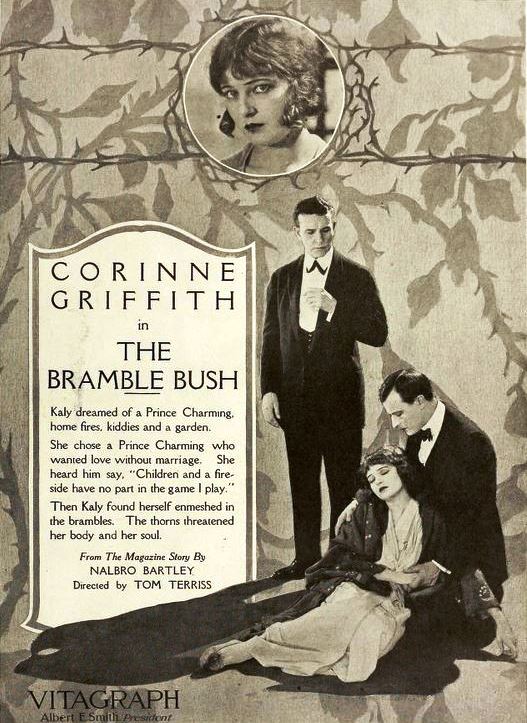
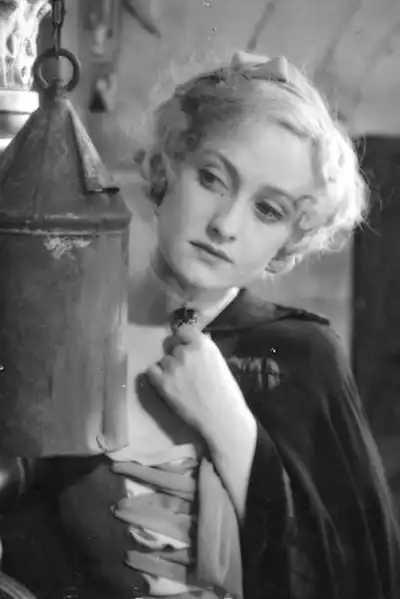
The cinematic landscape of the silent era, often dismissed as a relic, frequently yields narratives of profound emotional resonance and intricate moral dilemmas. The Bramble Bush, a 1917 melodrama, stands as a testament to this enduring power, offering a poignant exploration of innocence confronted by urban artifice, and the arduous path to genuine affection. Directed with a delicate hand and featuring the luminous Corinne Griffith in a role perfectly suited to her ethereal charm, this film transcends its period trappings to deliver a story that, despite its century-old vintage, still speaks volumes about human vulnerability and the intricate dance of the heart. It’s a journey from the untamed purity of the mountains to the gilded cages of societal expectation, a narrative arc that has captivated audiences for generations, exploring themes that remain evergreen in their relevance.
At its core, The Bramble Bush unfurls the tale of Kaly Dial, a young woman whose upbringing in the rugged simplicity of the Cumberland Mountains has left her utterly unprepared for the sophisticated machinations of New York City. Her arrival is not merely a geographical shift but a transplantation into an alien moral ecosystem. She finds solace and employment in a fashionable dress shop, a haven provided by a compassionate friend of her late mother. This initial sanctuary, however, soon becomes a crucible for her burgeoning understanding of love and betrayal. The film masterfully sets up this dichotomy: the inherent goodness of Kaly, untouched by cynicism, against the backdrop of a city teeming with both opportunity and peril. It is a classic narrative device, yet one rendered with considerable nuance here, allowing Griffith to imbue Kaly with a compelling blend of naiveté and burgeoning self-awareness.
The narrative quickly introduces two pivotal figures vying for Kaly’s affections, each representing a distinct path. First, there is Peter Vernon, the brother of the dress shop owner, a man whose integrity and honorable intentions are evident from the outset. He embodies stability, conventional romance, and the promise of a secure future. His love for Kaly is presented as steadfast and pure, a beacon of constancy in a world of shifting sands. Then, in stark contrast, enters John Crispen, a character sculpted from the very fabric of urban allure and danger. Crispen is a suave, charismatic figure whose reputation as a Lothario and involvement in shady business dealings precedes him, though Kaly, in her innocence, remains blissfully unaware of his true nature. He represents the intoxicating pull of the unconventional, the thrill of the forbidden, challenging the very notions of propriety that Vernon upholds.
The conflict between these two archetypes forms the core dramatic tension of the film. Crispen, with his disdain for traditional marriage and child-rearing, champions a philosophy of "comradeship," a euphemism for a less burdened, more transient form of relationship. This radical proposition, especially for the era, holds a peculiar fascination for Kaly, who is drawn to his perceived freedom and defiance of societal norms. Vernon's offer of marriage, while honorable, might have seemed stifling in comparison to Crispen's intoxicating, albeit ultimately hollow, vision of liberation. This exploration of differing philosophies on love and commitment is surprisingly sophisticated for a film of its time, echoing similar thematic explorations found in later, more celebrated works. The screenplay by Katherine S. Reed and Nalbro Bartley navigates these delicate moral currents with a keen understanding of human psychology, portraying Kaly’s internal struggle with commendable depth.
Kaly’s fateful decision to accompany Crispen to a hotel, believing in his professed love and the sincerity of his unconventional ideals, marks the narrative's emotional zenith. This moment, fraught with peril and societal judgment, is handled with a commendable degree of sensitivity, avoiding sensationalism in favor of psychological realism. It is here, in the cold light of a reality stripped of romantic illusion, that Kaly confronts the true nature of Crispen's affections. The realization dawns upon her that his "love" is not rooted in genuine care or commitment but in a self-serving pursuit of fleeting pleasure. The scene where she asks to be taken back is particularly potent, conveying a profound sense of disillusionment and the painful awakening from a dream. Corinne Griffith’s ability to convey this internal turmoil through subtle gestures and expressions, without the aid of spoken dialogue, is a testament to her immense talent as a silent film actress.
Crispen's subsequent compliance, despite knowing it will lead to his inevitable imprisonment, adds a layer of unexpected complexity to his character. It suggests a flicker of decency, a recognition of the damage he has wrought, or perhaps merely a calculated move to mitigate further repercussions. This moment prevents Crispen from becoming a one-dimensional villain, instead painting him as a morally ambiguous figure, driven by self-interest but capable of a momentary, perhaps reluctant, act of contrition. It’s a compelling choice that elevates the narrative beyond simple good-versus-evil tropes, allowing for a more nuanced understanding of the human capacity for both vice and occasional virtue. This narrative choice, while perhaps jarring for some viewers expecting a clear antagonist, adds a layer of realism to the story, mirroring the complexities of real-life moral compromise.
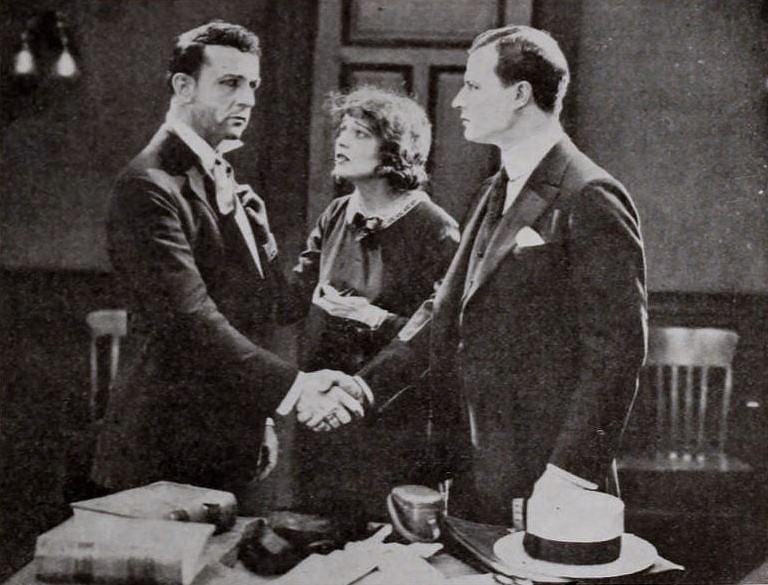
The return of Peter Vernon to the fore, now in the unexpected role of Crispen's legal defender, further complicates and enriches the narrative. Vernon's willingness to help the man who nearly ruined Kaly speaks volumes about his character – his unwavering moral compass and his deep, unconditional love for Kaly, which transcends personal slight. His discovery of Crispen's pre-existing marriage is the crucial turning point, exposing the full extent of Crispen's deceit and solidifying Vernon's moral superiority. The subsequent agreement, ensuring Crispen's freedom in exchange for his permanent estrangement from Kaly, is a bittersweet victory, preserving Kaly's reputation while underscoring the sacrifices made by Vernon. This act of selfless protection, even for a rival, distinguishes Vernon as a truly heroic figure, not just a romantic lead.
A year passes, a period of quiet healing and growth for Kaly. It is within this span of time, free from the intoxicating but destructive influence of Crispen, that Kaly’s heart finally recognizes and embraces the steadfast devotion of Vernon. Their eventual marriage is presented not as a rushed culmination of a romantic fantasy, but as the earned reward of mutual respect, understanding, and a love forged in the crucible of adversity. It is a union built on a foundation of genuine affection and shared values, a stark contrast to the fleeting, self-serving propositions of Crispen. This delayed gratification for the audience, and for Kaly, emphasizes the film’s message about the value of true character over superficial charm. It echoes the sentiment found in M'Liss, another silent film dealing with a young woman's journey through trials to find her rightful place and love, though The Bramble Bush leans more into urban moral complexities.
The performances are central to the film's success. Corinne Griffith, often hailed as "The Orchid of the Screen," delivers a performance of remarkable subtlety and emotional depth. Her portrayal of Kaly’s transition from wide-eyed innocence to heartbroken disillusionment and ultimately, to mature love, is captivating. She conveys so much with just a glance, a slight tremor of the lip, or the slump of a shoulder, proving the power of non-verbal communication in early cinema. Robert Frazer as Peter Vernon is the epitome of the silent film hero – honorable, steadfast, and quietly strong. He provides the anchor against which Griffith’s more turbulent performance can play. Frank Mills as John Crispen is equally effective, his suave demeanor hiding a predatory nature, making his initial allure understandable and his eventual comeuppance satisfying. The supporting cast, including Julia Swayne Gordon, Denton Vane, and Constance Beaumar, provide robust performances that flesh out the film's world, adding layers to the societal fabric Kaly navigates.
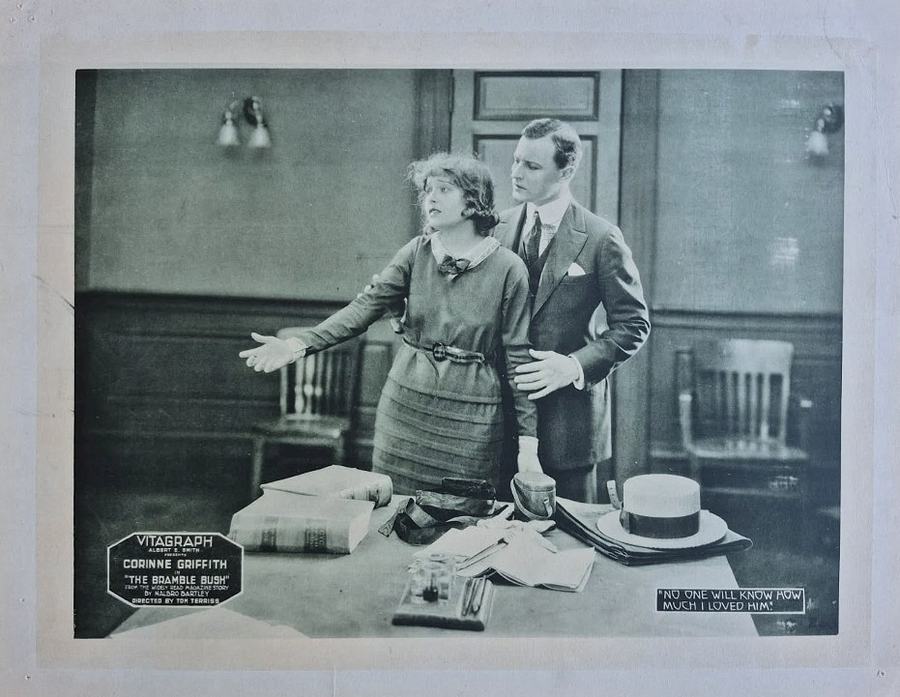
Visually, The Bramble Bush makes effective use of its settings. The contrast between the implied rustic beauty of the Cumberland Mountains (often conveyed through Kaly’s character rather than extensive landscape shots, typical of studio-bound productions of the era) and the bustling, often opulent, interiors of New York City is skillfully rendered. The dress shop, in particular, serves as a microcosm of urban sophistication, a place where appearances are paramount. The film's cinematography, while adhering to the conventions of its time, effectively uses close-ups to emphasize emotional states and wider shots to establish social dynamics. The visual storytelling, characteristic of the silent era, relies heavily on symbolic imagery and carefully composed frames to convey meaning, a technique that requires a discerning eye from the modern viewer but rewards immensely.
The thematic resonance of The Bramble Bush extends beyond its immediate plot. It’s a commentary on the dangers of superficiality, the allure of the forbidden, and the slow, often painful process of discerning true value. Kaly’s journey is one of self-discovery, a rite of passage from sheltered innocence to experienced wisdom. It speaks to the universal human desire for love and acceptance, and the mistakes we often make in seeking it. The film, in its quiet way, also touches upon the societal expectations placed upon women during that period, particularly concerning reputation and marriage. Kaly's vulnerability after her encounter with Crispen highlights the precarious position of women in a society that judged them harshly for perceived transgressions, even when they were victims of manipulation. This makes her eventual marriage to Vernon even more meaningful, as it represents not just love, but also societal reintegration and personal vindication.
Comparisons to other films of the period reveal The Bramble Bush's unique place. While it shares thematic elements of moral choices and societal pressures with films like Sylvi or Wahnsinn, which often delve into the darker psychological undercurrents of human relationships, The Bramble Bush maintains a more hopeful, redemptive arc. It doesn't descend into the bleak fatalism sometimes present in European melodramas, opting instead for a distinctly American narrative of second chances and moral triumph. Its focus on a young woman's personal growth amidst romantic entanglements also brings to mind films like Rosemary, though The Bramble Bush's urban setting provides a sharper contrast to the protagonist's origins. The film's ability to navigate complex emotional landscapes without relying on explicit dialogue is a hallmark of silent cinema at its best, demanding a more active engagement from the audience.
The writing by Katherine S. Reed and Nalbro Bartley is particularly noteworthy. They crafted a story that, while adhering to the melodramatic conventions of the era, injected it with a surprising degree of psychological realism. The characters, particularly Kaly, are not mere archetypes but individuals grappling with believable desires and dilemmas. The pacing is deliberate, allowing the emotional beats to register fully, and the plot twists, such as Vernon defending Crispen, feel earned rather than contrived. Their ability to construct a compelling narrative primarily through action and expression, rather than extensive intertitles, speaks to their skill in understanding the unique demands of the silent medium. This collaborative effort brought to life a story that, despite its seemingly simple premise, explores the profound complexities of human connection and moral accountability.
In conclusion, The Bramble Bush is far more than a historical curiosity; it is a compelling piece of cinematic storytelling that continues to resonate. Its exploration of innocence lost and wisdom gained, of treacherous temptations and the quiet triumph of genuine love, remains timeless. The film’s enduring appeal lies in its sincere portrayal of a young woman’s journey through the moral thicket of urban life, guided by her evolving understanding of herself and others. Corinne Griffith’s performance anchors the film, elevating it from a simple melodrama to a moving character study. For enthusiasts of silent cinema, or anyone interested in the enduring power of classic storytelling, The Bramble Bush offers a rich, rewarding experience, a reminder that the most profound human dramas require no spoken word to be deeply felt. It is a cinematic artifact that truly deserves rediscovery and appreciation for its delicate artistry and powerful emotional core.
IMDb —
1919
Community
Log in to comment.