DbcultAccessing Vault...
8/10
Senior Film Conservator
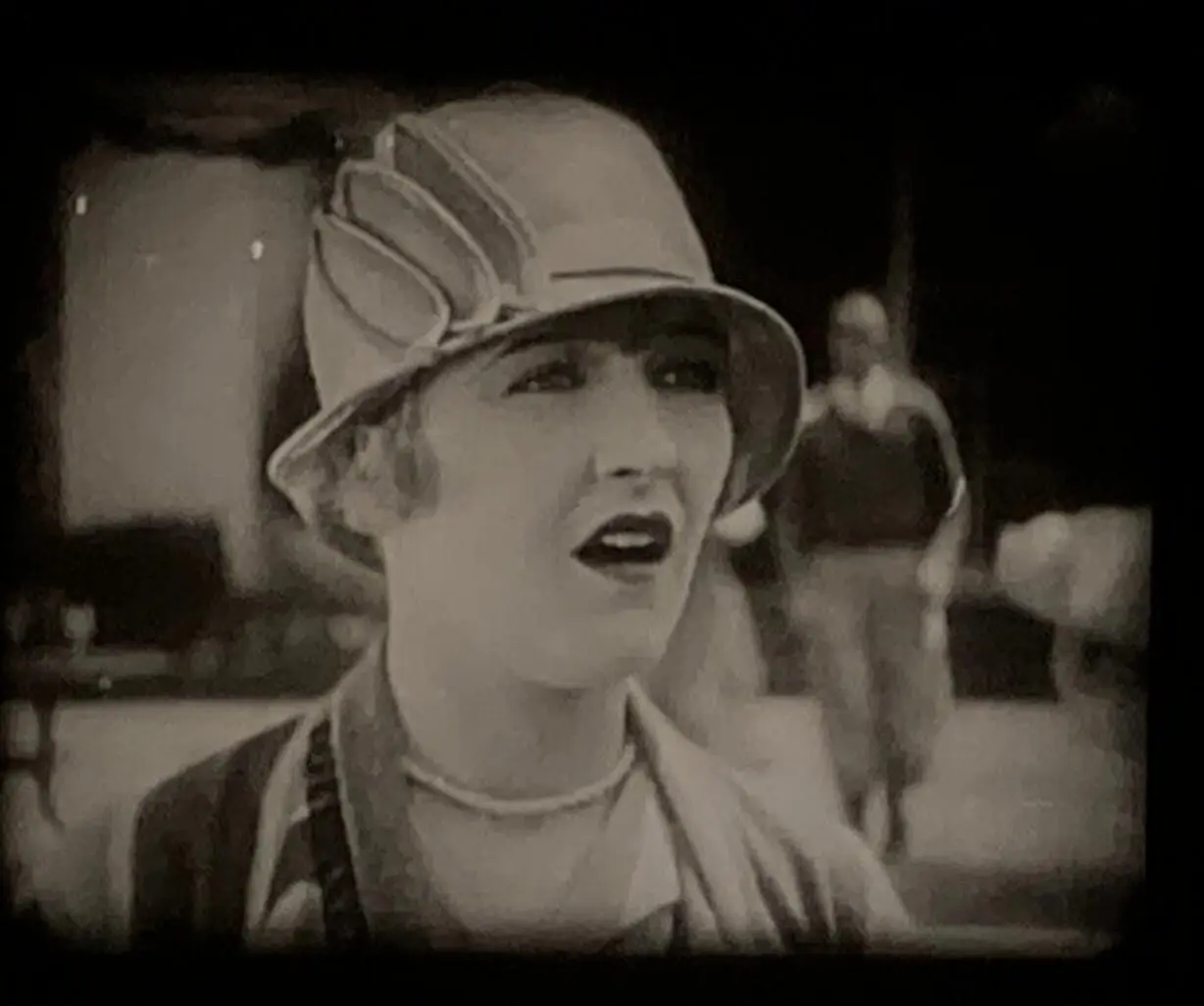
A definitive 8/10 rating for a film that redefined the boundaries of cult cinema. The City of Stars remains a cornerstone of transgressive art.
The Ontological Gaze of the Silent Camera
To witness The City of Stars is to peer through a temporal keyhole into the very genesis of the Hollywood mythos. Released in 1924, this film occupies a unique niche—it is neither purely fiction nor strictly reportage. Instead, it exists in that liminal space where the industry begins to recognize its own power as a subject of fascination. The premise is deceptively simple: a reporter visits Universal Studios. Yet, through the lens of William A. Seiter and the narrative guidance of H. Bruce Humberstone, this visit becomes a liturgical procession through the cathedrals of celluloid.
In an era where cinema was still grappling with its identity as an art form, The City of Stars serves as a crucial artifact. It predates the polished, sanitized 'making-of' featurettes of the modern era, offering instead a raw, almost tactile appreciation for the machinery of storytelling. Unlike the moralistic overtones found in contemporary works like The Warfare of the Flesh, which sought to instruct through allegory, this film finds its purpose in the sheer physicality of the studio lot.
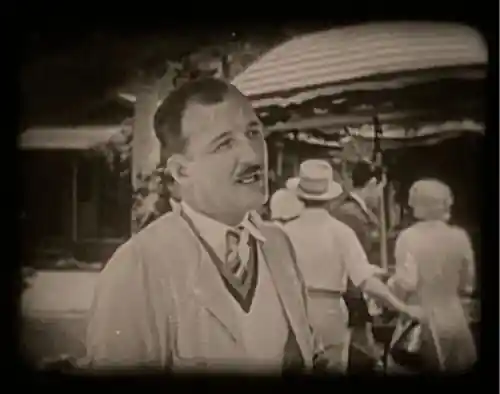
The inclusion of Mickey Walker—the 'Toy Bulldog' of the boxing world—and his manager Jack Kearns is a masterstroke of 1920s cross-promotion. This wasn't merely about celebrity cameos; it was about validating the cinematic medium by associating it with the visceral reality of the sporting world. When we see Walker on the Universal lot, there is a palpable friction between his kinetic, pugilistic energy and the controlled, artificial environment of the film set. This juxtaposition highlights the central theme of the film: the synthesis of the real and the imagined.
Contrast this with the more traditional dramatic structures of the time, such as The Gates of Gladness. While that film relied on sentimental narrative arcs, The City of Stars draws its power from the 'cinema of attractions'—the joy of seeing the gears turn. We see Fred Humes, a stalwart of the Western genre, moving through the studio not as a character, but as a laborer of the imagination. It’s a refreshing lack of pretension that makes the film feel startlingly modern.
H. Bruce Humberstone, who would later become a prolific director in his own right, provides a script that avoids the pitfalls of dry exposition. There is a rhythmic quality to the reporter’s journey. Each encounter on the lot feels like a movement in a symphony. This isn't the disjointed chaos of a newsreel; it’s a choreographed exploration. When compared to the somewhat episodic nature of Oh Mary Be Careful, Humberstone’s work here displays a sophisticated understanding of how to maintain audience engagement without a traditional antagonist.
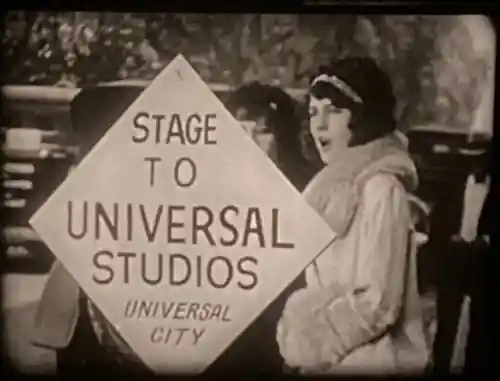
The film captures the essence of Universal City as a burgeoning metropolis of the mind. In the 1920s, Universal was a pioneer in the 'studio tour' concept, and this film is the ultimate invitation. It invites the viewer to look past the proscenium arch. We are shown the scaffolding of dreams, yet the knowledge of how the trick is performed only heightens the magic. It’s a paradox that films like Betrayed rarely dared to explore, preferring to keep the illusion intact.
Visually, the film is a masterclass in the use of natural light and the sprawling architecture of the Universal backlot. The camera doesn't just record; it explores. There is a wandering, inquisitive quality to the cinematography that mirrors the reporter's own curiosity. This fluidity is a far cry from the static, stage-bound compositions of many early silents, such as Nobody's Wife. Instead, we see a precursor to the mobile camera work that would define the next decade of filmmaking.
The intertitles are sparse but effective, allowing the imagery to carry the weight of the narrative. This is visual storytelling in its purest form. When the reporter encounters the various departments—the prop houses, the makeup chairs, the massive sets—the film conveys a sense of awe that is infectious. It treats the studio not just as a factory, but as a laboratory of human experience. This elevates the work above contemporary travelogues like With Our King and Queen Through India, which, while visually stunning, lacked the meta-textual depth found here.
In analyzing The City of Stars, one must consider its place within the broader cinematic landscape of the mid-20s. This was a period of intense experimentation and industrial consolidation. While European cinema was delving into the psychological shadows of Alkohol or the whimsical surrealism of Capitan Groog and Other Strange Creatures, American cinema was perfecting the art of the spectacle. Universal, under the leadership of Carl Laemmle, was at the forefront of this movement.
This film is a celebration of that American ingenuity. It lacks the cynicism that would later permeate Hollywood-on-Hollywood films. There is no sense of the 'star-crossed' tragedy found in Stranded or the noir-ish undertones of A Girl at Bay. Instead, there is a vibrant, almost naive optimism. It portrays the movie business as a frontier, a place where a boxer, a reporter, and a director can converge to create something immortal.
The presence of William A. Seiter behind the scenes (and occasionally within the frame) provides a sense of directorial authority. Seiter, known for his light touch and comedic timing, ensures that the film never feels heavy-handed. Even when the reporter is observing the technical minutiae of a scene, there is a sense of playfulness. This levity is what distinguishes the film from more somber studio-related works like The Idler or the moralizing tone of A Flirt There Was.
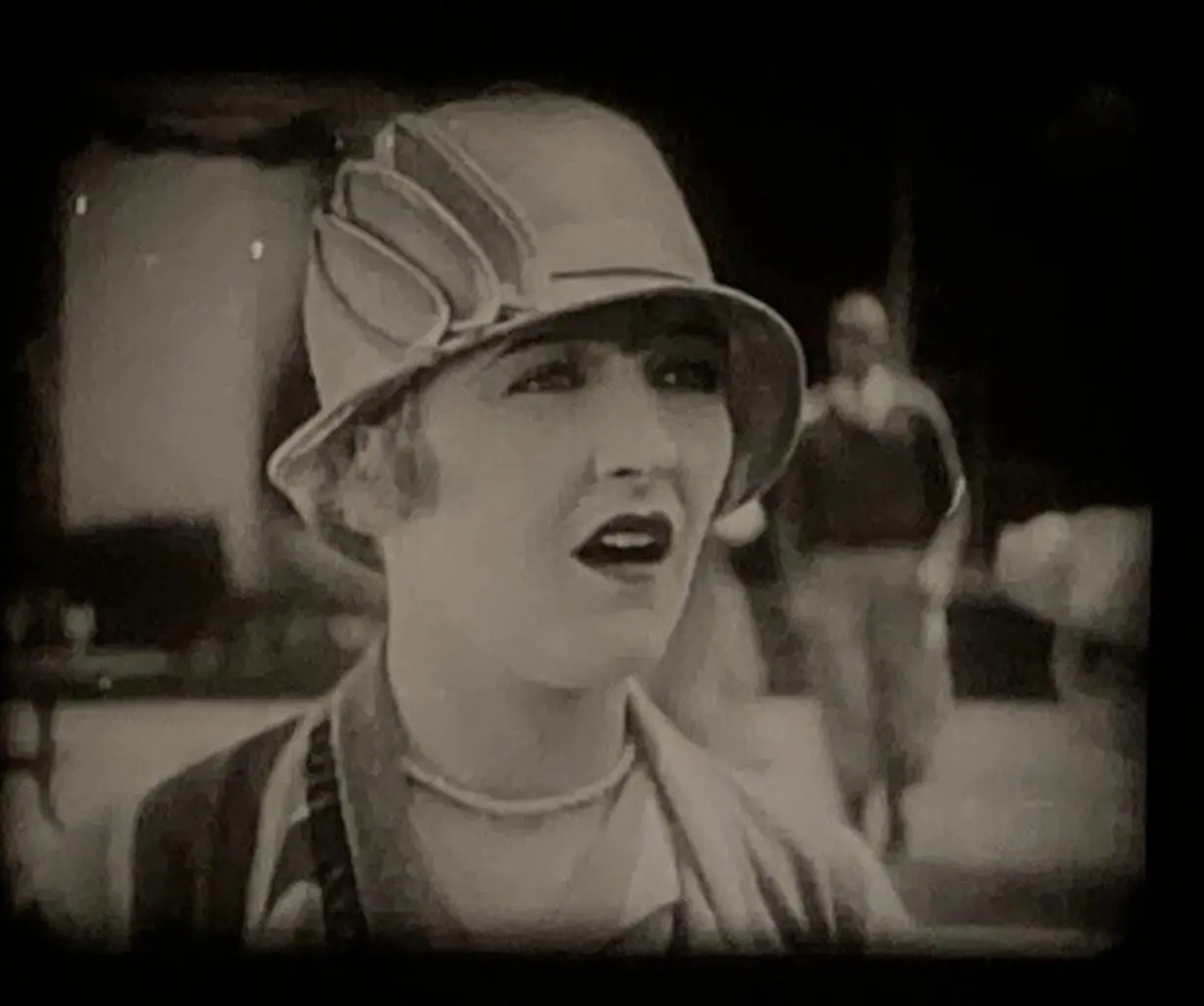
Furthermore, the film’s depiction of the 'reporter' character is a fascinating study in early 20th-century media relations. The reporter is our surrogate, asking the questions we would ask, expressing the wonder we would feel. He is a bridge between the mundane world and the 'City of Stars.' This trope would become a staple of Hollywood storytelling, but here it feels fresh and unburdened by cliché. It’s a far cry from the satirical take on fame found in The Fotygraft Gallery, opting instead for a sincere appreciation of the craft.
Ultimately, The City of Stars is a love letter to the process of creation. It captures a moment in time when Universal was not just a studio, but a community. The film documents the transition from the silent era’s infancy to its sophisticated maturity. When we see the wide shots of the lot, we are seeing the foundations of an empire. It reminds us that every frame of film is the result of a thousand small decisions, a thousand hands working in concert.
While some might dismiss this as a mere promotional tool, that would be a reductive reading. The film possesses an inherent dignity and a commitment to documenting the reality of the era. It stands alongside films like In Bad in Bagdad or The Yellow Handkerchief as a testament to the diversity of stories being told in the 1920s. It is a vital piece of the cinematic puzzle, offering a rare glimpse into the heart of the Dream Factory before the advent of sound changed the landscape forever.
In the grand tapestry of film history, 'The City of Stars' remains a bright, enduring thread, reminding us that the magic of the movies is not just in the finished product, but in the marvelous, messy, and magnificent process of its making.
IMDb —
1936
Community
Log in to comment.