DbcultAccessing Vault...
Cult Review
Senior Film Conservator
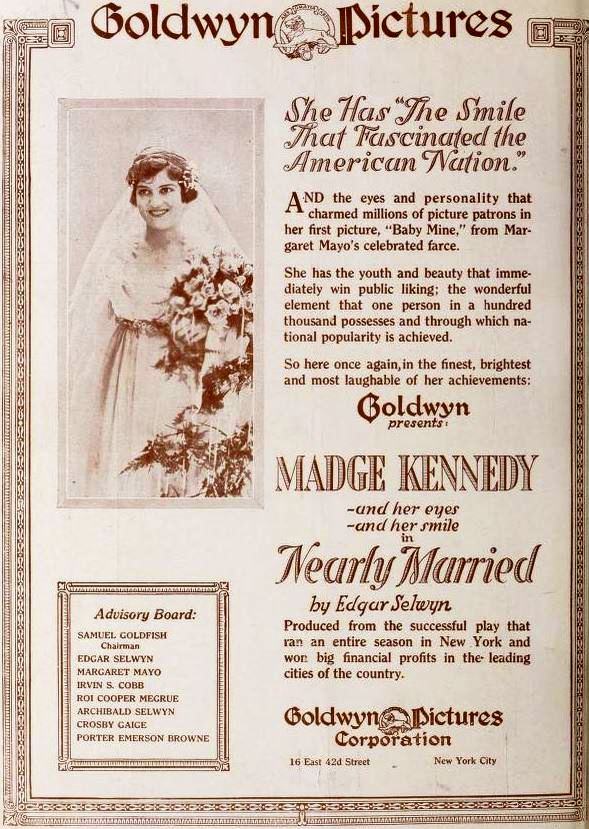
Ah, the silent era! A time when emotions were writ large on the silver screen, when a glance could convey a novel's worth of sentiment, and when the burgeoning medium was still figuring out its own narrative language. Stepping into the world of Nearly Married, a delightful 1917 offering, is akin to opening a forgotten time capsule, revealing a charmingly complex vision of love, stubbornness, and the often-absurd intricacies of human relationships. This isn't just a simple romantic comedy; it's a nuanced exploration of commitment and consequence, draped in the comedic misunderstandings that were a hallmark of the period.
Our story introduces us to Betty Griffon, portrayed with an effervescent energy by the incomparable Madge Kennedy. Kennedy, a luminary of the silent screen, brings a vibrant, almost modern sensibility to Betty, a woman who is both deeply affectionate and startlingly impulsive. Her wedding day to the seemingly patient Harry Lindsey (Mark Smith) arrives, but not without its immediate dramatic flair. Betty, a paragon of sisterly devotion, cannot proceed with the ceremony until her brother Dick arrives. This initial delay, born of familial loyalty, sets a precedent for Betty's often-unwavering, sometimes illogical, adherence to principle. It's a fascinating character trait, one that both endears her to the audience and drives the narrative's central conflict.
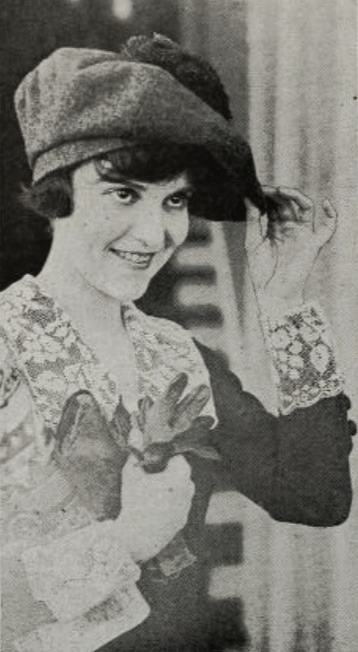
The plot thickens with an unfortunate accident befalling Dick. This event, rather than softening Betty's resolve, hardens it into an unshakeable decree: no honeymoon shall commence until her beloved brother is fully recovered. Harry, understandably, finds this a rather extreme and perhaps unfair imposition. His gentle objections, however, are misconstrued by Betty as a profound lack of empathy, a callous disregard for her deepest feelings. In a moment of pique, a dramatic flourish so characteristic of silent melodrama, Betty declares Harry insensitive and, with astonishing swiftness, demands a divorce. This pivotal scene, while played for comedic effect, also subtly critiques the societal pressures and expectations surrounding marriage at the time, where perceived slights could escalate into irreparable rifts.
The speed with which Betty moves from wedding day to divorce decree is breathtaking, a testament to her headstrong nature. Harry, perhaps more bewildered than genuinely angry, agrees to her demand. What follows is a delicious piece of farcical legal maneuvering. To facilitate the separation, Harry enlists his friend Tom Robinson to act as the corespondent, a common, albeit often scandalous, practice in an era when divorce required grounds like infidelity. This entire sequence is rife with comedic potential, highlighting the absurdity of legal systems when confronted with the irrationality of human emotion. One can almost see the knowing glances exchanged between audience members, recognizing the familiar dance of pride and misunderstanding that often precedes a marital breakdown.
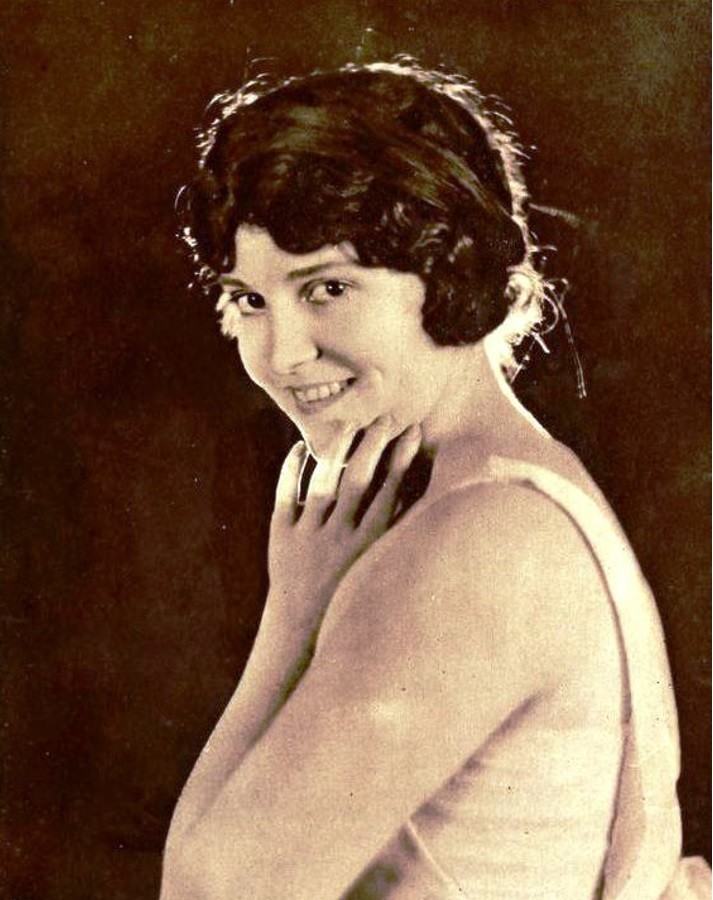
The performances here are crucial. Madge Kennedy, with her expressive eyes and animated gestures, masterfully conveys Betty's tempestuous spirit, her unwavering conviction, and ultimately, her underlying vulnerability. Mark Smith, as Harry, counters with a portrayal of bewildered affection, a man caught between his love for Betty and his exasperation with her unpredictable nature. The unspoken dialogue, conveyed through subtle shifts in posture and facial expressions, is a masterclass in silent film acting. It’s a delicate balance, ensuring that Betty’s stubbornness doesn’t alienate the audience entirely, and Harry’s patience doesn’t make him seem weak.
Of course, the heart wants what the heart wants. Once the dust settles and the initial heat of the argument dissipates, both Betty and Harry are confronted with an undeniable truth: they are, in fact, still deeply in love. The separation, intended as a dramatic statement, becomes a painful realization of their true feelings. This moment of clarity, a common trope in romantic narratives, is handled with a genuine sweetness here. The audience, having witnessed their journey, roots for their reconciliation, eager to see these two headstrong individuals find their way back to each other.
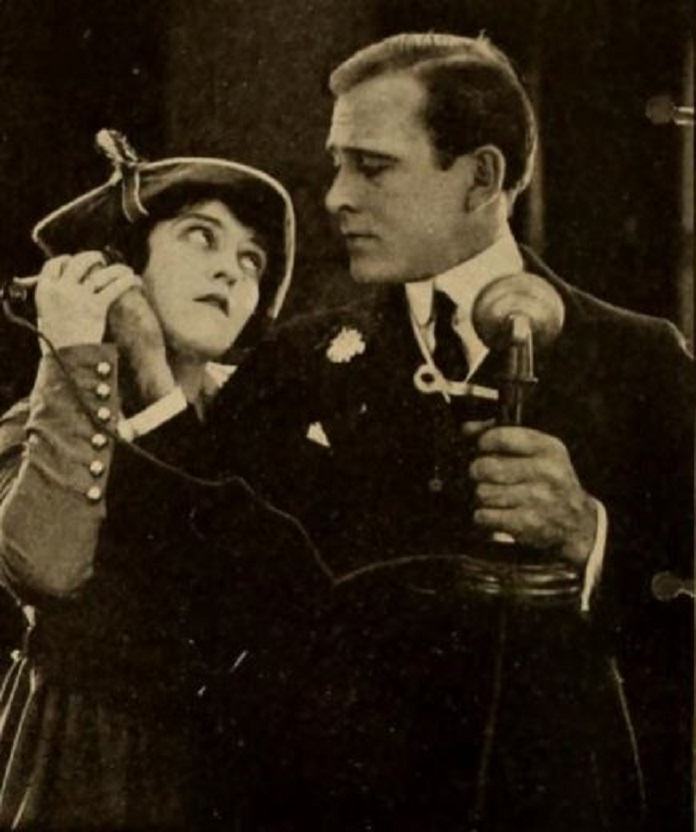
However, the path to remarriage is not as straightforward as the path to divorce. The very legal papers that granted their separation now stand as an insurmountable barrier, specifically forbidding Harry from marrying again. This legalistic twist provides another layer of comedic irony and serves as a clever commentary on the rigid laws of the time. The idea that a piece of paper, born of a moment's folly, could permanently dictate one's marital future is both frustrating and inherently funny. It forces our protagonists to think outside the box, to find a way to circumvent the very system they engaged.
This predicament resonates with other films of the era that explored legal entanglements and societal constraints. For instance, while different in tone and subject, the struggle against an unyielding legal system or societal expectation can be seen in films like Ártatlan vagyok!, where characters find themselves ensnared by circumstances beyond their immediate control. The comedic aspect of subverting the law for love’s sake is a timeless theme, expertly deployed here.
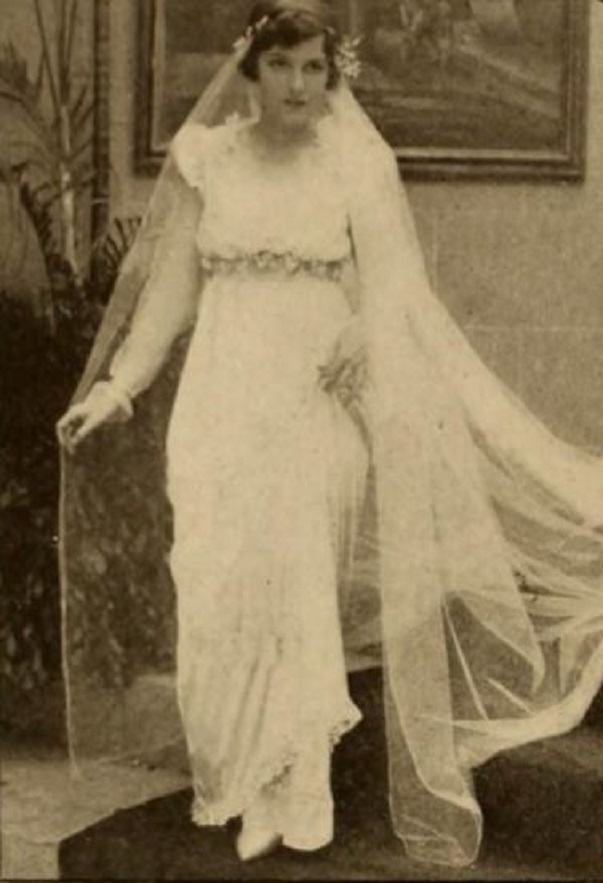
Their solution? A journey to New Jersey. In a stroke of narrative brilliance, the film highlights the geographical nuances of early 20th-century American law, where state lines could mean the difference between legal impediment and marital bliss. New Jersey becomes their sanctuary, a place where their love can be legally solemnized once more, free from the restrictive dictates of New York law. This cross-state dash for love adds a delightful sense of adventure and urgency to the proceedings, culminating in a joyous resolution that feels earned after their tumultuous journey.
The film's exploration of marriage and divorce, even in its comedic framing, offers a fascinating glimpse into early 20th-century American society. Women like Betty, though perhaps exaggerated for the screen, represented a burgeoning sense of independence and agency. Her willingness to demand a divorce, even if impulsively, speaks to a changing social landscape where women were beginning to assert their desires and challenge traditional roles. While the film ultimately affirms the traditional institution of marriage, it does so after a thorough, albeit humorous, examination of its fragilities and the strong wills that shape it.
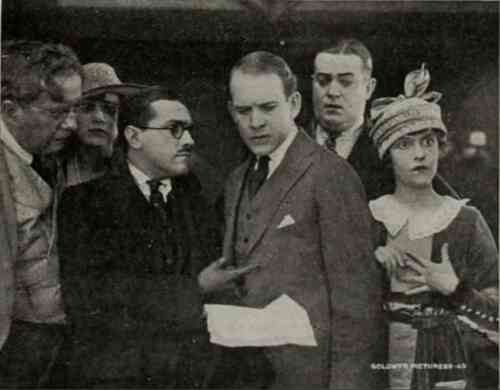
From a technical perspective, Nearly Married is a well-crafted silent film. The pacing is brisk, the intertitles are used effectively to convey dialogue and exposition without bogging down the visual storytelling, and the cinematography, while perhaps not groundbreaking, competently serves the narrative. The director, Marshall Neilan, guides his cast with a sure hand, ensuring that the comedic beats land and the emotional arcs feel authentic. The reliance on physical comedy and exaggerated expressions, typical of the era, is balanced with moments of genuine pathos, creating a well-rounded viewing experience.
The film's central theme of love overcoming obstacles is a universal one, echoed in countless narratives throughout cinematic history. Whether it's the societal pressures faced by characters in The Primrose Path or the personal journeys toward happiness in Where Love Leads, the enduring power of affection to conquer adversity remains a compelling draw. Nearly Married manages to infuse this classic theme with a distinct charm and a refreshing sense of humor.
In conclusion, Nearly Married is more than just a historical curiosity; it's a testament to the enduring appeal of well-told romantic comedies. It blends witty plotting, engaging performances, and a subtle social commentary into a thoroughly enjoyable package. Madge Kennedy's Betty Griffon remains a captivating figure, a woman whose journey from impulsive indignation to heartfelt reconciliation is both entertaining and surprisingly resonant. It’s a film that reminds us that love, in all its messy, unpredictable glory, often requires a bit of an adventure, a dash of stubbornness, and sometimes, a quick trip across state lines to truly find its happy ending. For fans of silent cinema, or anyone interested in the evolution of romantic comedy, this film offers a delightful and insightful viewing experience, proving that some stories, and some loves, are simply destined to be.
IMDb 5.7
1923
Community
Log in to comment.